You’re standing in the driveway. The clock is ticking. Nothing happens when you turn the key. Even worse is the pathetic click. Your heart sank. Is it the battery? Is it an alternator? panic is already creeping in because I don’t have the mechanic’s manual in my back pocket.
The truth is, most people guessed wrong. They buy a new battery and installed it, but two days later the car dies again. Why? This is because the alternator died. A bad battery can drain the charge from a faulty alternator. A bad alternator can destroy a good battery. When you know which component is actually failing, you can avoid unnecessary parts. It also prevents you from being stuck on the side of the highway due to an no idea why.
Block the noise. This way you can self-diagnose the problem without getting ripped off or stranded.
Mechanics of Failure
To solve this problem, you need to understand what each part does. A car’s battery is a storage tank for chemicals. Its only real function is to send a large amount of energy to the starter motor to start the engine and to power electronics when the engine is shut down. The service life of a standard lead-acid battery is about 3-5 years. Once the chemicals have broken down, it’s over.
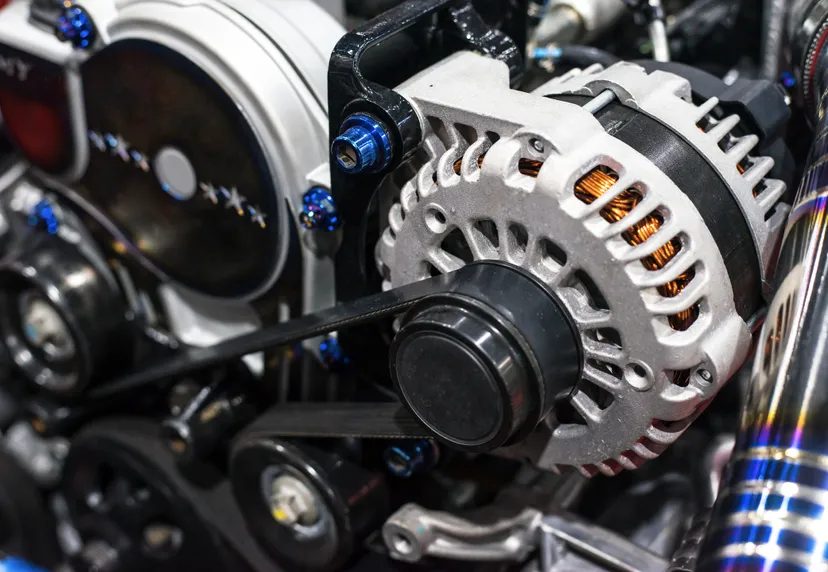
The alternator is a generator. When the starter motor starts the engine, the alternator takes over. Powers the lights, radio and ECU while charging the battery. If the alternator fails, the car will only run on the remaining power of the battery. That charge is finite. The car dies.
Heat, vibration and voltage spikes can damage the alternator. The battery wears out due to aging. However, these symptoms often overlap, which makes it very confusing.
6 signs of battery problems
Before spending money at the parts store, check for these special indicators: If you see them, the battery may be to blame.
- Slow engine crank: Difficult to start. It sounds sluggish.
- Frequent jump-starts: Carrying jumper cables like a second wallet your battery is shot.
- Dim the headlights: Especially noticeable when idling.
- Click: A quick click when turning the key usually means zero power.
- Case bulge: The battery case looks like a balloon.
- Age: It’s older than five years.
The Slow Crank Test
If the battery voltage is low, it will not be able to provide the necessary amperage to the starter. The engine spins slowly. It gasps. If your car eventually starts but you hear a grinding through mud, the battery is low. This is more than just an annoyance. Applying pressure to a weak battery can damage the starter solenoid. Check the battery terminals. Clean corrosion. If the battery is old, replace it.
The Jump-Start Pattern
Jumpstart is a temporary solution. Even if you jump in your car and it runs fine, that doesn’t mean the battery is good. It means bypassed the dead one. If you jumping the car every few days, the battery won’t charge. The internal plates can be sulfated or short-circuited. Replace it before it becomes a problem.
Dimming Lights at Idle
Please turn on the headlights. Start the engine. If the light stays on when you rev up, the alternator is working. It is normal if it darkens when idling and brightens when revving. However, if you dim when you add electrical load (AC, radio, defroster) while driving, the battery may not be able to maintain the voltage. Let’s start by checking the battery age. Regardless of the state of your alternator, the lights may dim if the battery is unable to maintain the voltage.
The Click of Death
One loud click? Starter motor issue. Rapid ticking of machine-gun? Dead battery. The solenoid tries to engage but doesn’t have enough energy to keep the circuit closed. It clicked, released and clicked again. If you hear this, don’t keep trying. You’ll drain the remaining power and the leave the car completely dead. Connect the alternator or jumper cable. If it starts, there is a problem with the battery.
Swollen Battery Case
This is a visual cue that cannot be ignored. If the battery casing is swollen, it is swollen. This happens when an internal chemical reaction creates a gas. Heat speeds up this process. If you drive with an old battery in hot weather, the battery may cooked itself. Do not attempt to jump-start a swollen battery. There is a risk of acid leakage or explosion. Replace it immediately.
Age is the Final Verdict
Batteries wear out over time. Even with full maintenance, a battery that is more than five years old is a ticking time bomb. Look for the date code on the top. If symptoms occur and have been present for more than 5 years, suspend the diagnosis. Just replace it. This is the most common cause of no boot problems.
The role of the alternator in the equation
Chargers do more than just keep the lights on. It keeps the system alive. If something breaks, smoke comes out of the car.
Heat is your enemy. Chargers generate heat. The diode can fail if the unit’s cooling fan fails or if the ventilation of the engine compartment is poor. Vibration can cause the internal bearings to vibrate. Power surges or poor grounding from aftermarket accessories can stress the regulator.
Signs of a faulty alternator include a warning light on the dashboard (usually a battery icon), dim headlights, and erratic electrical supplies. The radio may lose power. Windows may be running slowly.
You need a multimeter to test it. Check the battery terminal voltage with the engine running. A healthy system should read between 13.5 and 14.5 volts. If the voltage is below 13 volts, the alternator will not charge. If the voltage exceeds 15 volts, the regulator will be damaged and the electronics will fail.
You can also run load tests. Turn on the headlights, air conditioning and defroster. Pay attention to the voltage. Gotta stay steady. If it drops significantly, the alternator can no longer handle the load.
Keep this in mind though. A bad alternator can drain the battery. A bad battery also makes a normal alternator look bad. First you need to remove the battery.
Visual inspection and preliminary inspection
Check the battery before you buy anything. Are the terminals clean? Are the fasteners tight? A loose battery can vibrate and damage internal connections. Tighten the clamp. Clean the connectors with a wire brush.
Check the snake belt. If it’s cracked, the glass is loose, or it’s loose, the alternator won’t spin. If the belt slips, it means there is no charge. This is a mechanical repair, not an electrical repair.
If the belt is intact and the battery is new and clean, the alternator may be suspect. However, do not replace parts blindly. test voltage. Check the load.
The difference between a $100 battery and a $300 alternator is huge. Making mistakes costs time and money. If you handle it right, you’ll find yourself at home.
People miss the nuances here. The battery may be fine. The alternator is normal. The problem is connectivity. Corroded ground straps can be similar to a faulty alternator. I think the car can’t charge because the circuit is damaged. Check the ground wire. Go to the trunk. Please clean it. Please tighten up.
Check the connections, if the battery is new and the alternator power is low, it’s time to change the alternator. But before you do that, make sure your battery is actually charging. An auto parts store load tester can do this in minutes. It’s free. Use it.
The line between a dead battery and a faulty alternator is thin. However, if you look closely, the symptoms are obvious. The slow crank points towards the battery. Unreliable electrical operation while driving is a sign that the alternator is to blame. Lifetime varies by battery.
Next, we’ll look at specific tests you can run with a multimeter and how to tell the difference between a bad voltage regulator and a bad diode bridge. Because sometimes the alternator isn’t faulty, it’s just messed up.
Electronic gremlin and warning signs
An empty battery after driving is a typical pitfall. You start your car, head to the store, close the door, and come back 10 minutes later to find your car stone cold. This refers directly to the alternator. This part keeps the battery charged while the engine is running. If it fails, you’re dead in the water.
The dashboard lights are hard to ignore. They don’t blink for fun. If you see a battery icon or check engine light, stop guessing and look at your alternator. Ignoring these signs can simply turn a simple repair into a towing expense.
Power failures tell the story. Dimming headlights when you idle? Are the dashboard lights flashing? Is the battery case bulging? These are not random bugs. The alternator regulates the voltage throughout the system. When it slips, everything powered by electricity suffers. A clicking sound during startup can also mean that the starter is drawing every last drop from a dying system.
Strange noises are auditory red flags. Are there Grinding or squealing noises coming from the engine compartment? Check the belt first. However, if the belt is too tight, it can damage the alternator bearings. If the alternator fails, it will make a whining sound before shutting down.
Then there’s the smell. If the rubber burns, it usually means the belt is slipping. But is there a peculiar smell of electrical ozone or hot metal? It’s components overheating. When bearings wear, friction occurs. Friction produces heat. Heat damage. If you smell something, don’t wait.
Age is a silent killer. Alternators don’t last forever. Typical service life is 7-10 years. Check the date code printed on the case. If it’s older than a decade and acting up, replace it. Do not repair dying units.
Diagnosing Without a Mechanic
You don’t have to need a shop to know something is wrong. A multimeter is your best friend.
First, a visual inspection is performed. Look at the battery. Is it corroded? Does it swell? Acid leak? Check the alternator for loose connections or cracks in the case. As the connectors corrode, the resistance increases. Resistance kills performance.
The voltage test is definitive. Set your multimeter to DC voltage.
- With the engine off: The reading of a fully charged battery is approximately 12.6 volts. Anything lower means the battery itself is tired.
- Engine running: Crank it up. The alternator voltage should be 13.5 – 14.5 volts. If the voltage falls below 12 or 13 volts, the alternator will not charge.
If the voltage is high, the regulator can overcharge and damage the battery. If it is low, the alternator diode bridge may be faulty.
The jump start test makes the difference between a bad battery and a bad alternator. Connect the jumper cables to the running donor vehicle. Please start the car. Let it idle. If the engine shuts off immediately or within a few minutes, your alternator isn’t picking up the load. The car runs purely on the donor’s electricity or whatever residual charge the battery had. If it still runs smoothly, the battery is dead. The alternator is normal.
Why timing matters
A faulty alternator can be more than just an inconvenience. This is a cascade.
Modern cars are electrical nightmares. It starts from the alternator and loses the power steering. You lose AC compressor engagement. Depending on the design, the primary power of the fuel pump is lost. The car doesn’t just stop; Driving becomes dangerous.
Replacement costs vary by brand and model. A standard 4 cylinder Honda can cost $200 in parts. Luxury SUVs with sophisticated electronics can cost up to $600. Labor adds another chunk. However, it’s cheap insurance compared to a tow truck and a new battery.
Check your belt. Alternator, power steering and water pump takes out due to a broken serpentine belt. If the belt is glazed or cracked, replace it when replacing the alternator. Don’t put a new unit on a old, worn belt. It’ll just fail again.
The year model of the car is also important. If the alternator is original and has 100,000 miles on it, consider it a service item. No need to wait for the light. Preventive replacement can save you headaches.
Most DIY guides say it’s easy. It’s not. Disconnecting the battery can reset the computer module and cause it to malfunction. Some vehicles require calibration after replacement. If you’re not happy with your electrical system, hire a professional. A bad connection can damage the ECU. This is a 5 digit error.
The car’s electrical condition is the basis of its operation. Pay attention to the voltage. Listen to the sound of sharpening. Respect the age of the components. Ignoring these signs will only delay the inevitable towing.