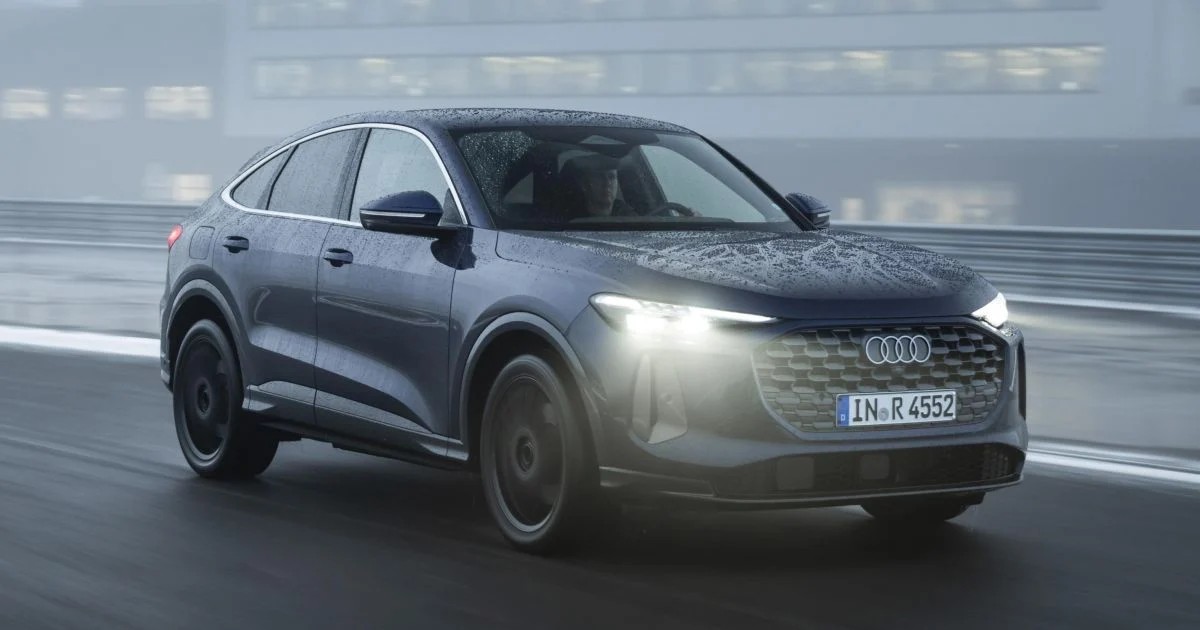
Audi has unveiled a next-generation V6 turbo-diesel engine for its Q5 SUV and A6 sedan, featuring an electric turbocharger and a refined mild-hybrid system. This upgrade aims to deliver increased performance, efficiency, and responsiveness, but availability in Australia remains uncertain despite strong local support for diesel powertrains.
Enhanced Performance Through Electrification
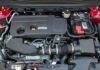
The new 3.0-liter V6 TDI produces 220kW (295 horsepower) and 580Nm (428 lb-ft) of torque – a modest increase over the previous generation. The real innovation lies in the ‘MHEV plus’ system, which integrates a generator, belt alternator starter, and a lithium iron phosphate (LFP) battery. This setup adds up to 18kW (24 hp) and 230Nm (170 lb-ft) of temporary power for quicker acceleration and overtaking, while also recovering up to 25kW of energy back into the battery.
Crucially, Audi has equipped the engine with a new, electrically powered compressor. This compressor reacts faster than before, compressing intake air even when exhaust-driven turbo lag would typically occur. The result is claimed to be more linear power delivery, improved throttle response, and a faster boost build-up (nearly one second quicker, with the compressor spinning up to 90,000 RPM in 250 milliseconds). Audi states this feels akin to an electric vehicle’s instant torque.
Sustainable Fuels and Emissions Reduction
Audi is also highlighting the engine’s compatibility with Hydrotreated Vegetable Oil (HVO) fuel, which can reduce CO2 emissions by 70-95% compared to standard diesel. HVO is produced from waste materials like used cooking oil and agricultural byproducts, offering a more sustainable alternative without requiring engine modifications. All new vehicles from Audi’s German plants are now shipped with HVO already in the tank.
Australian Market Uncertainty
Despite the advancements, Audi Australia has not confirmed whether the new V6 TDI will be introduced locally. While acknowledging the demand for diesel engines (with the four-cylinder diesel previously accounting for 25% of Q5 sales), the company is prioritizing powertrains that align with new vehicle efficiency standards.
Executives have voiced strong support for diesel, stating that removing it would mean losing customers. This contrasts with competitors like Mercedes-Benz and Volvo, who have abandoned diesel in Australia. The BMW X3 continues to offer a six-cylinder diesel, though.
The new Q5 TDI quattro 220kW accelerates from 0-100km/h in 5.0 seconds, with a top speed of 250km/h. It costs €5000 ($8844) more than the equivalent petrol model in Europe.
“We now have a full range of drivetrains available including petrol, diesel, and plug-in hybrid for the Australian market… Of course, we evaluate all engine options for the Australian market.” – Audi Australia spokesperson.
In conclusion, Audi’s latest diesel engine represents a significant step forward in combustion technology, blending performance with sustainability. Whether Australian buyers will get access remains unclear, but the company’s continued commitment to diesel suggests it is a strong possibility, provided it aligns with evolving regulations.