






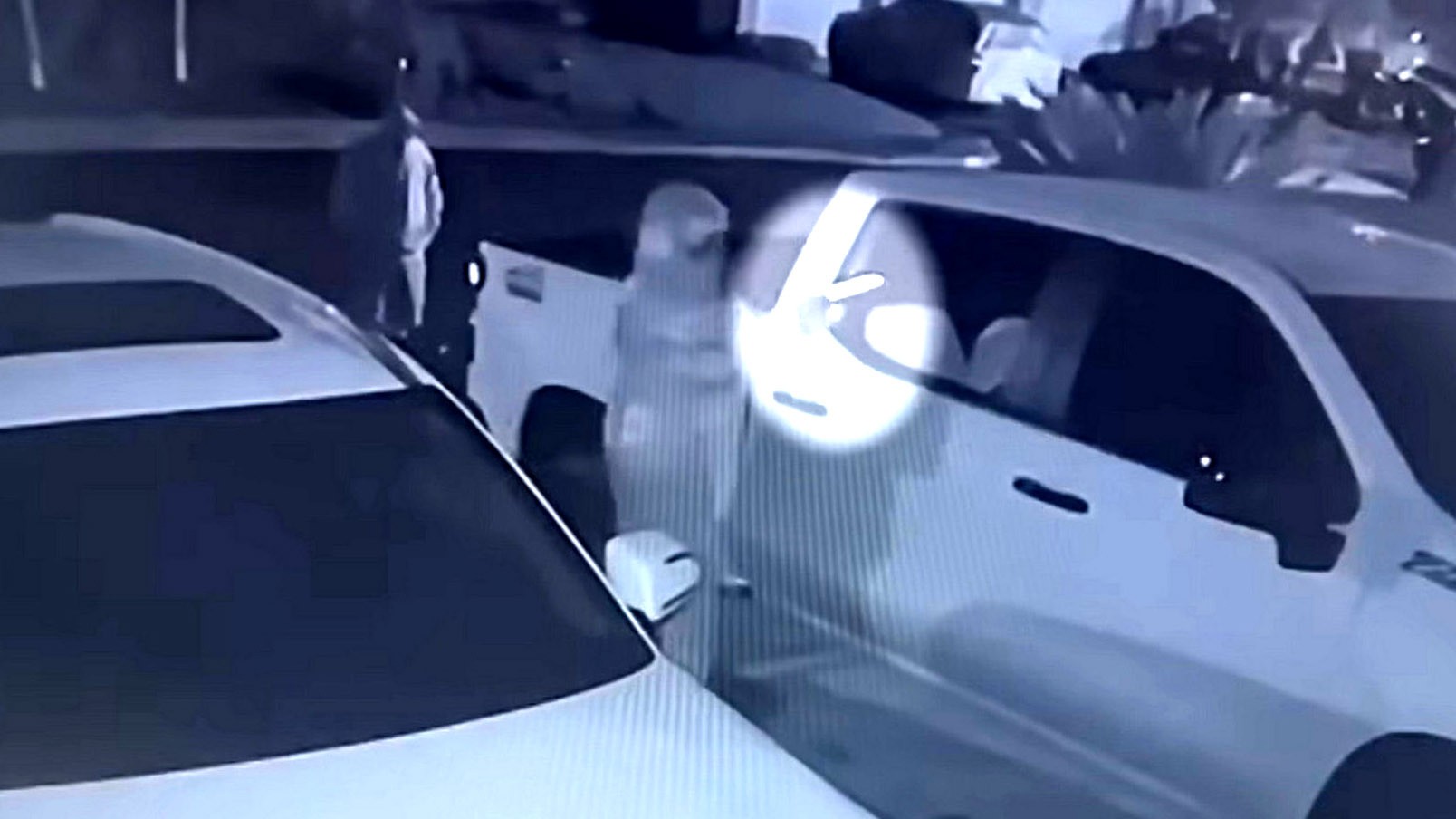
Modern car theft is no longer about hotwiring or breaking windows. Criminals are increasingly using sophisticated digital tools to steal vehicles, with some methods requiring no physical contact at all. Recent cases in California illustrate how easily thieves can bypass modern anti-theft systems, highlighting a growing vulnerability for car owners.
Wireless Relay Attacks: The Keyless Entry Exploit
One method involves relay attacks, where thieves use wireless devices to intercept and amplify the signal from a car’s key fob inside the owner’s home. The device effectively tricks the car into thinking the key is nearby, allowing thieves to unlock and start the vehicle without ever touching a physical key.
Security footage from Anaheim Hills shows a suspect using a crude antenna to capture the fob’s signal, relaying it to an accomplice near the car. The victim, understandably shocked, noted, “Who would’ve thought someone would come with an antenna and take your car away?” Similar incidents have been recorded in Lake Forest, confirming this method is being used repeatedly.
OBD Port Exploits: Reprogramming Ignition Systems
Another tactic bypasses key fobs entirely. Thieves break a car window (sometimes discreetly, using tinted glass to minimize noise), then plug a locksmith-style tablet into the vehicle’s OBD (On-Board Diagnostics) port. This allows them to reprogram the ignition system, starting the car instantly.
Anaheim Police Sgt. Matt Sutter confirmed that detectives are investigating multiple cases involving these digital tools. The OBD port, originally designed for vehicle maintenance, has become a new entry point for car thieves.
How to Protect Your Vehicle
Law enforcement recommends several precautions to mitigate these risks:
- Keep key fobs away from doors and windows: Prevent signal interception by storing fobs further inside the house.
- Disable passive keyless entry: When not needed, turn off the system to reduce vulnerability.
- Use Faraday pouches or aluminum foil: These materials block fob signals, preventing relay attacks.
- Park in a garage: The most effective protection is storing the vehicle in a secure, enclosed space.
However, Faraday pouches are ineffective against OBD port exploits, meaning physical security remains vital.
The shift to digital car theft underscores a fundamental problem: modern vehicles are increasingly reliant on connected systems, creating new vulnerabilities for criminals to exploit. The ease with which these thefts occur raises questions about the long-term effectiveness of current anti-theft technologies.
The rise of digital car theft is a clear indication that automakers and law enforcement must adapt to these evolving methods. Owners should also take proactive steps to secure their vehicles, as the current landscape favors thieves who are armed with the right tools.