In the high-stakes world of superbike manufacturing, Japanese “liter bikes” (1000cc class) have long served as the industry benchmark. While European manufacturers often command higher prices through exclusivity, the core of the performance market remains rooted in the engineering prowess of Honda, Suzuki, Yamaha, and Kawasaki.
Today, this landscape is defined by a fierce rivalry between two titans: the Yamaha YZF-R1, the gold standard for MotoGP-inspired soul, and the Kawasaki Ninja ZX-10R, a race-proven powerhouse that offers a compelling, more affordable alternative.
The Yamaha R1: A Masterclass in Character
The Yamaha R1 has earned its legendary status by bringing racing technology directly to the street. It isn’t just about raw speed; it is about a unique mechanical identity.
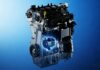
- The Crossplane Advantage: Unlike traditional inline-four engines, the R1 utilizes a crossplane crankshaft. This creates an uneven firing order that mimics the pulse of a V4 engine, providing a more connected and predictable power delivery when exiting corners.
- Technical Specs: The US-spec R1 delivers approximately 197 horsepower and 83 lb-ft of torque from its 998cc engine.
- Race-Ready Hardware: It features an aluminum Deltabox frame, fully adjustable KYB suspension, and a sophisticated six-axis IMU that manages everything from traction control to engine braking.
For the rider, the R1 feels like a “race bike with lights”—aggressive, communicative, and deeply engaging.
The Kawasaki ZX-10R: Refined Performance and Value
If the Yamaha is the emotional choice, the Kawasaki Ninja ZX-10R is the pragmatic powerhouse. Kawasaki has focused on perfecting a proven platform rather than reinventing the wheel, resulting in a machine that dominates the World Superbike (WSBK) circuit.
- Brute Force: On paper, the ZX-10R holds a slight edge, producing roughly 203 horsepower (with RAM air) and 84.6 lb-ft of torque.
- Predictable Power: Unlike Yamaha’s crossplane setup, Kawasaki utilizes a traditional 180-degree crankshaft. This results in a smoother, more linear power delivery that many riders find easier to manage during intense track sessions.
- Top-Tier Components: The Ninja is equipped with Showa Balance Free Forks, Brembo brakes, and a comprehensive Bosch electronics suite, ensuring it remains competitive at the highest levels of racing.
The $2,200 Question: Performance vs. Price
The most significant differentiator between these two machines isn’t found on the racetrack, but on the showroom floor. A widening price gap has shifted the value proposition significantly:
| Feature | Yamaha YZF-R1 | Kawasaki Ninja ZX-10R |
|---|---|---|
| MSRP (Approx.) | $19,199 | $16,999 |
| Horsepower | ~197 hp | ~203 hp |
| Engine Character | Aggressive/Crossplane | Smooth/Linear |
With the Kawasaki costing $2,200 less than the Yamaha, the decision becomes a matter of priority. For many enthusiasts, that surplus can be reinvested into essential track gear, premium tires, or performance upgrades. While the R1 offers a more distinct “soul” through its engine note and feel, the ZX-10R provides nearly identical—and in some cases superior—performance for a much lower entry cost.
Summary of the Rivalry
The choice between these two superbikes ultimately comes down to what a rider values most:
– Choose the Yamaha R1 if you want a MotoGP-inspired experience with unique character and high-end engagement.
– Choose the Kawasaki ZX-10R if you want a race-winning, high-output machine that offers better raw value and predictable handling.
Conclusion: While the Yamaha R1 remains the benchmark for emotional engagement and racing DNA, the Kawasaki Ninja ZX-10R has positioned itself as the smarter financial choice, offering comparable—and even slightly higher—performance for a significantly lower price.