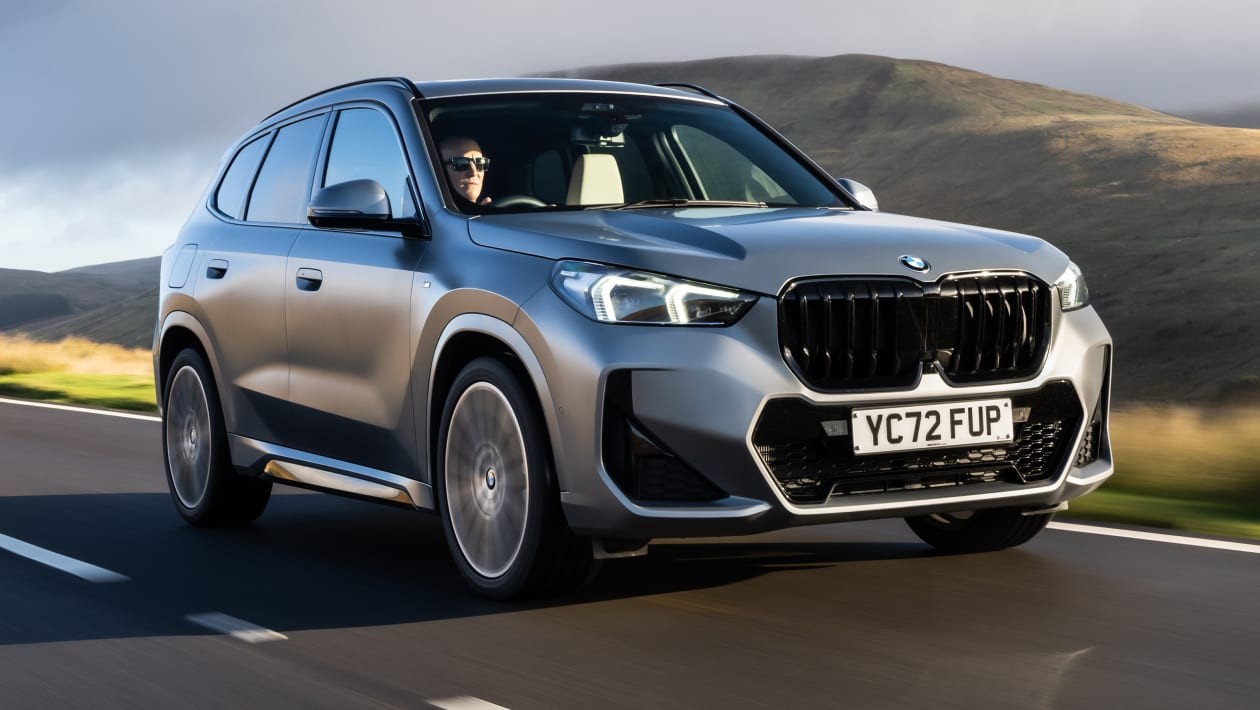
The third-generation BMW X1 represents a significant leap forward for the German automaker’s entry-level premium SUV. This model addresses many criticisms leveled at its predecessors, now offering more space, upgraded technology, and improved fuel efficiency through hybrid options. While not without minor drawbacks, the X1 has proven itself a strong contender in a competitive market, even earning Auto Express’s Small Premium SUV of the Year award.
From Drab to Desirable: The Evolution of the X1
Early iterations of the BMW X1 struggled to meet brand expectations. The first generation was criticized for its uninspired design, lackluster interior, and underwhelming diesel engines – failing to deliver the “Ultimate Driving Machine” experience BMW promised. The current model, however, has matured into a capable family vehicle, boasting increased interior space, enhanced technology, and a balanced mix of performance and economy. This evolution is critical because the small SUV segment is now dominated by brands like Audi and Mercedes-Benz, requiring BMW to deliver a compelling product.
Performance and Efficiency: Powertrain Options
The X1 offers a diverse range of powertrains, including petrol, diesel, and plug-in hybrid options. The xDrive30e plug-in hybrid stands out for its rapid acceleration (0-62 mph in 5.6 seconds), while the entry-level petrol (sDrive20i) and diesel (sDrive18d) models offer respectable performance with reasonable fuel economy. The high-performance X1 M35i, powered by a turbocharged 2.0-liter engine, delivers 296 bhp and a 0-62 mph time of just 5.4 seconds.
The inclusion of mild-hybrid technology in some models further enhances efficiency, with diesel variants achieving up to 60 mpg on the combined WLTP cycle. Plug-in hybrids, while offering lower emissions and potential tax benefits, may not always match real-world expectations. The shift towards electrification is significant, as governments increasingly incentivize low-emission vehicles through tax breaks and regulations.
Driving Experience: A Balanced Approach
The BMW X1 maintains a sporting edge, offering engaging handling for a small SUV. The steering is light, making city driving easy, though some drivers may prefer more feedback at higher speeds. The ride quality can be firm, especially with the M Sport suspension, but the X1 remains comfortable enough for long-distance travel, particularly with smaller wheel sizes.
Despite its SUV form factor, the X1 feels agile in urban environments, and its raised driving position provides good visibility. However, the seven-speed automatic transmission can be sluggish at low speeds, requiring careful planning when merging into traffic. This issue is worth noting, as smooth transmission performance is a key expectation in premium vehicles.
Interior and Technology: A Step Forward
BMW has improved the X1’s interior quality and design, with a modern dashboard featuring curved screens. Build quality is solid, though some testers reported minor software glitches during testing. The removal of the rotary iDrive controller is a point of contention – while touchscreen responsiveness is improved, the physical controller was favored for quick adjustments while driving.
The X1’s infotainment system includes voice recognition, which BMW claims learns user preferences over time. Storage options are adequate, with a small armrest tray and smartphone clip. Overall, the interior reflects a commitment to contemporary design and technology integration.
Running Costs: Value and Depreciation
The BMW X1 holds its value reasonably well, retaining between 47% and 54% of its initial price after three years or 36,000 miles. Insurance costs are higher than average due to the vehicle’s premium status. Plug-in hybrid models offer lower Benefit-in-Kind (BiK) company car tax rates but may face future per-mile charges under proposed regulations.
Prices range from £36,690 to £54,465, but discounts through services like Auto Express’s Find A Car can bring prices down to around £33,194. Leasing options start at £445 per month, and used models are available from £26,700.
Conclusion
The BMW X1 has evolved into a competitive small premium SUV. Its blend of performance, technology, and improved space makes it a compelling option for families and drivers seeking an engaging driving experience. The minor flaws—such as the firm ride and occasionally sluggish transmission—are outweighed by its overall refinement and practicality. The X1 represents a significant step forward for BMW, solidifying its position in a crowded but lucrative segment.