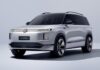
The BYD Sealion 5 plug-in hybrid SUV remains under review for independent crash testing by ANCAP (Australasian New Car Assessment Program) despite the automaker’s decision to prioritize other models for evaluation. This means buyers won’t have an official safety rating for the vehicle until at least July 2026, leaving it one of only two BYD cars currently sold in Australia without a verified safety score.
Delayed Testing, Strategic Priorities
BYD initially planned to submit the Sealion 5 for testing but shifted focus to its larger seven-seat Sealion 8 PHEV. The company cited resource limitations and test lab availability as reasons, choosing to secure a rating for the newer model first. According to BYD Australia’s chief product officer, Sajid Hasan, prioritizing models early in their lifecycle is key, and the Sealion 5 arrived mid-cycle, making immediate testing impractical.
However, ANCAP maintains it has the resources to test the vehicle, with potential testing as early as April/May 2026 under the updated 2026 protocols. ANCAP CEO Carla Hoorweg emphasized that any unrated vehicle is eligible for assessment, with decisions based on sales volume, segment competition, and fairness to rivals.
Market Context and Testing Logic
The Sealion 5 competes in Australia’s largest vehicle segment – Medium SUVs, which accounted for nearly 25% of all new car sales in 2025. BYD aims to sell around 600 units monthly, placing it mid-range in this competitive market. This volume, combined with the fact that most rivals already hold five-star ANCAP ratings, makes the Sealion 5 a likely candidate for future testing.
ANCAP is concerned about “free riders” – vehicles entering segments where competitors have undergone rigorous safety checks without doing the same. The updated 2026 protocols likely drove a surge in testing in 2025 as manufacturers rushed to meet the new standards. The Toyota RAV4, Australia’s top-selling mid-size SUV, is also due for re-evaluation under the new rules.
Implications and Future Outlook
The Sealion 5’s delayed testing isn’t necessarily a reflection of its inherent safety but rather a strategic decision by BYD and the timing of its release. While the company maintains the vehicle meets basic assessment criteria, buyers will have to wait for official results. This situation highlights the increasing scrutiny of vehicle safety standards and the importance of independent evaluations in an expanding market.
The delay underscores how automakers navigate testing priorities, balancing resource constraints with consumer demand and competitive pressures. Ultimately, ANCAP’s decision to test the Sealion 5 seems probable given its market presence and the need to ensure fair competition within the segment.