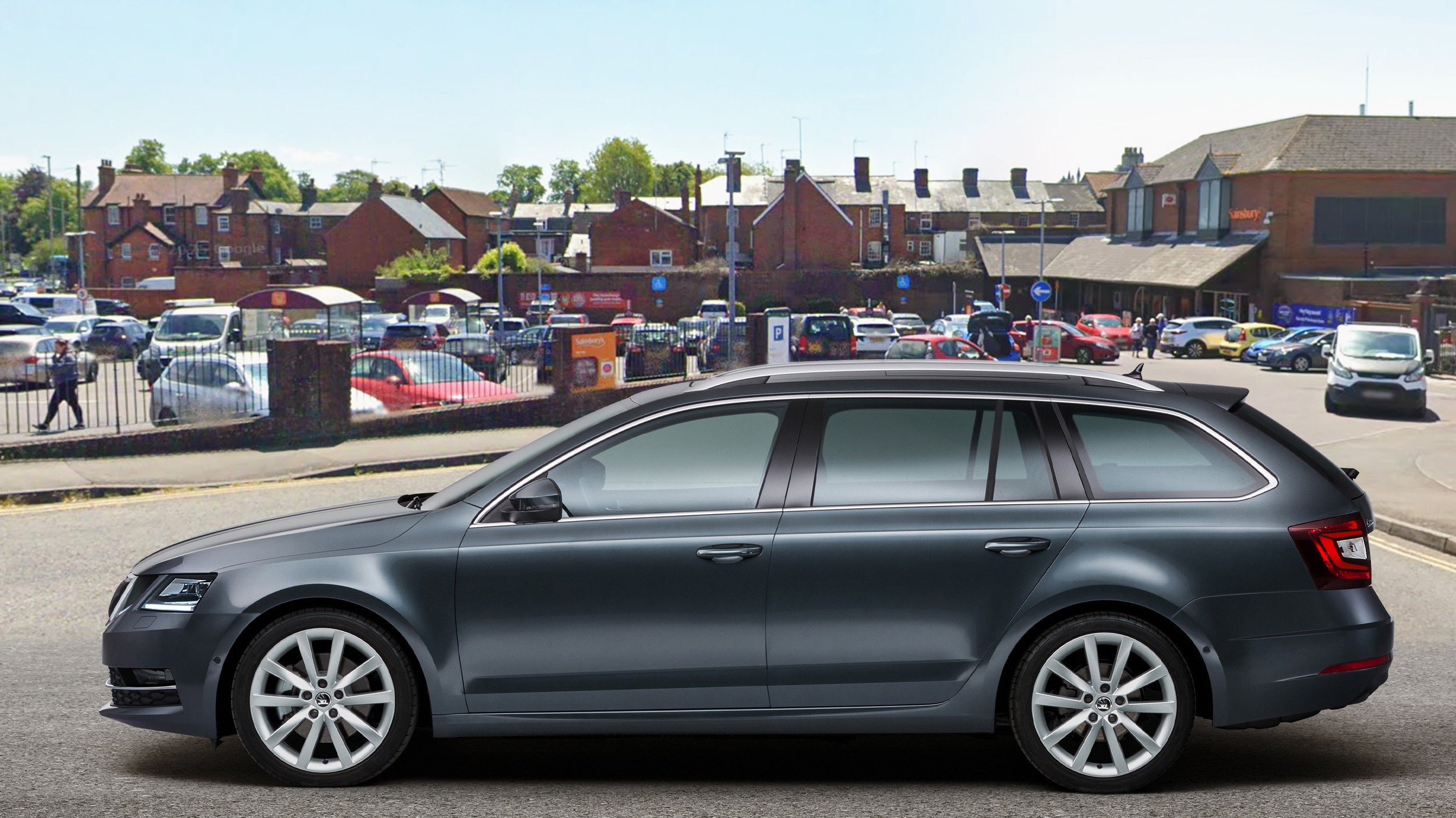
A British man spent nearly two years systematically parking in every available space at his local Sainsbury’s supermarket, driven by boredom and a self-described “peculiarity.” Gareth Wild, a 44-year-old marketing professional from Devizes, UK, documented his progress over one year, seven months, and two days, meticulously parking in all 108 designated spots.
The Methodical Approach
Wild did not approach this task haphazardly. He mapped the car park using satellite imagery, assigning numbers to each space (excluding disabled and motorcycle parking) and tracking his progress with dates, times, and associated parking fees. Over the entire period, he spent £89.20 ($120) on parking, a fraction of the £9,567.26 ($12,700) he spent on groceries during the same timeframe.
This wasn’t just about checking off spaces; Wild categorized them based on convenience, ranking them as “God Tier,” “Useful,” or “Avoid.” The two spaces closest to the entrance were predictably the most coveted.
Beyond the Supermarket: A Recurring Obsession
This isn’t Wild’s first parking-related feat. Previously, he spent six years completing a similar challenge at a 211-space lot in Bromley before relocating to Devizes in 2024 and starting anew. His wife, according to Wild, is “fully supportive of my peculiarities,” suggesting this behavior is not a recent development.
“Boredom was probably the starting point,” Wild explained. “It keeps me amused doing little things like this. It was a little bit sad to see it end because it is part of your routine for so long that when it does finally end you have got to find the next thing to do.”
The Next Challenge: Scaling Up
Wild has already set his sights on a larger challenge: a Morrisons supermarket with over 400 parking spaces. This will extend his parking obsession for an indefinite period, ensuring he has a structured, albeit unconventional, hobby to fill his time.
The story highlights how individuals find unique ways to cope with monotony, even if those methods involve meticulously documenting parking spaces over years. It raises questions about obsessive behaviors, the human need for structure, and the lengths people go to when faced with boredom.