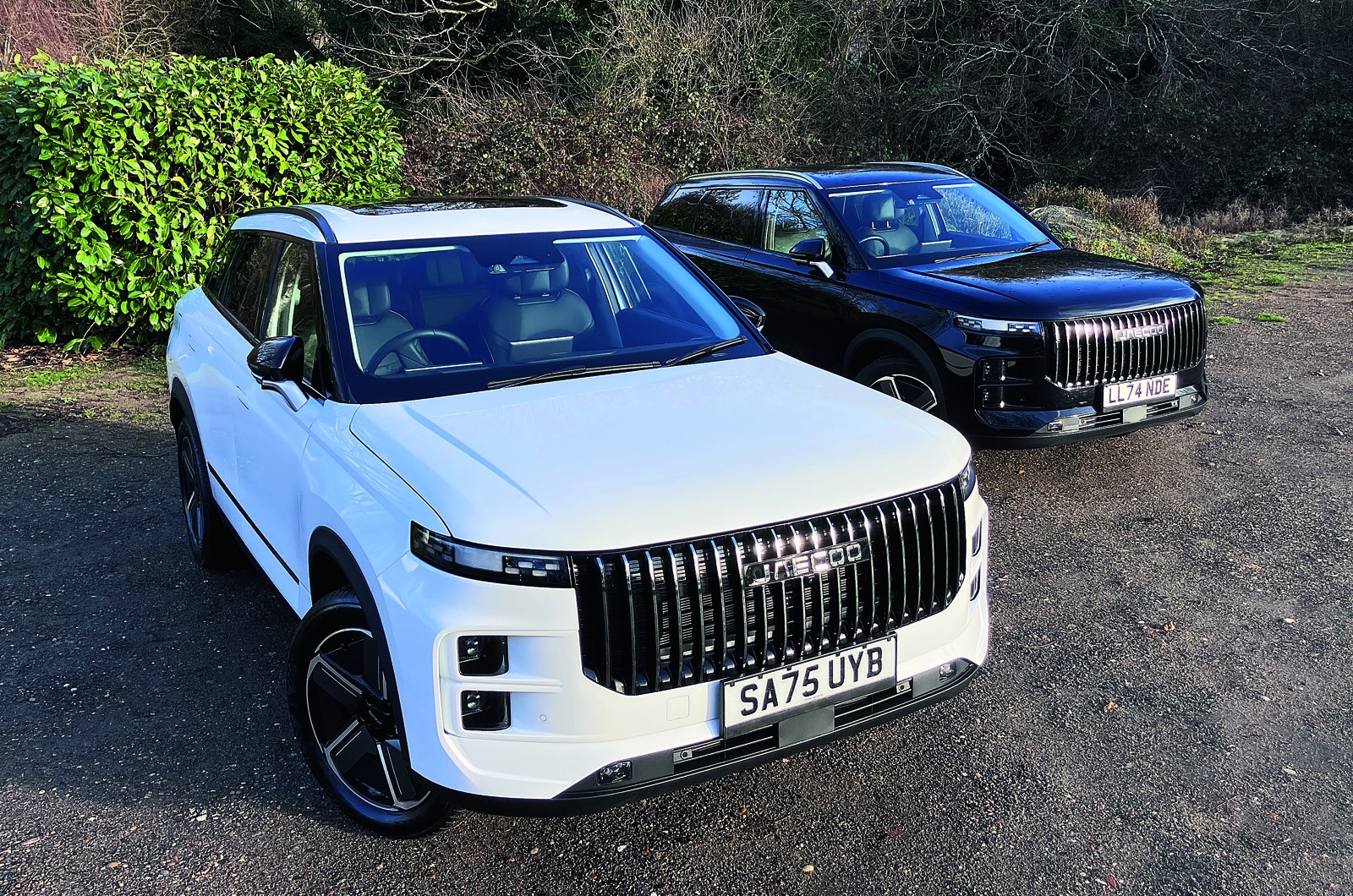
After spending 6,000 miles behind the wheel of the Jaecoo 7, a clear lesson has emerged: choosing the standard petrol engine over the Plug-in Hybrid Electric Vehicle (PHEV) variant might be a significant misstep for many drivers. While the petrol model is a capable budget-friendly SUV, the PHEV version offers a level of refinement, efficiency, and performance that justifies its slightly higher price tag.
The Price Gap: A Narrowing Margin
When comparing the two flagship “Luxury” trims, the financial argument for the PHEV is becoming increasingly persuasive. Initially, the PHEV carried a premium of £2,315 over the 1.6T petrol model. However, that gap has since narrowed to just £1,180, bringing the PHEV’s price to £35,175.
Furthermore, aggressive leasing deals have made the flagship PHEV more accessible, with some offers rivaling the cost of the entry-level 2WD Deluxe model. For a buyer, this means the jump to a more advanced powertrain is becoming more affordable than ever.
Performance: Instant Power vs. Lagging Engines
The technical differences between the two drivetrains fundamentally change the driving experience:
- The Petrol Variant: Uses a 1.6T four-cylinder engine (145bhp) paired with a seven-speed dual-clutch transmission. While functional, it suffers from frustrating start-stop delays and requires high engine revs to achieve meaningful acceleration.
- The PHEV Variant: Combines a 1.5T engine with an electric motor and an 18.3kWh battery, producing a combined 201bhp and 229lb-ft of torque.
While neither car is a dedicated sports machine, the PHEV feels significantly more responsive. The most striking metric is acceleration: the PHEV hits 0-62mph in 8.5 seconds, compared to the petrol model’s much slower 11.8 seconds. The electric motor provides an “instant and effortless” sensation that the petrol engine simply cannot replicate.
Efficiency and the Daily Commute
The most compelling reason to opt for the hybrid is the drastic difference in fuel economy.
Real-world fuel consumption tells a much different story than official manufacturer claims.
While the petrol model averaged a modest 30.4mpg, the PHEV consistently achieved between 40.7mpg and the high 50s. For many drivers, the PHEV’s claimed 56-mile electric range is a game-changer, potentially allowing for a completely fuel-free daily commute.
Refinement and Trade-offs
The PHEV is not without its quirks. When the battery runs low—such as during high-speed motorway cruising—the internal combustion engine can become intrusive, running at high revs to replenish the charge. Additionally, heavy throttle input can create an “overboost” sensation that feels somewhat abrupt.
However, these minor drawbacks are outweighed by the overall sense of relaxation and refinement. The PHEV eliminates the constant need to “work” the engine, making it a much more composed companion for daily driving.
Conclusion
The Jaecoo 7 PHEV offers superior acceleration, significantly better fuel economy, and a more refined driving experience than the petrol version. Given the narrowing price gap, the hybrid model represents a much more logical investment for the modern driver.