



The Australian Automobile Association (AAA) is stepping up pressure on car manufacturers by revealing significant discrepancies between advertised fuel economy figures and real-world performance. Their ongoing “Real-World Testing Program” puts new models through their paces, exposing some brands that fall short of their own claims.
Recent tests included popular choices like the Hyundai Tucson, Kia Sportage, MG HS, Toyota Camry, as well as established luxury names like the BMW X3 and Mercedes-Benz GLC. While some models, like the BMW X5, even surpassed their stated fuel efficiency in real-world driving, others showed worrying gaps between advertised economy and what drivers can expect.
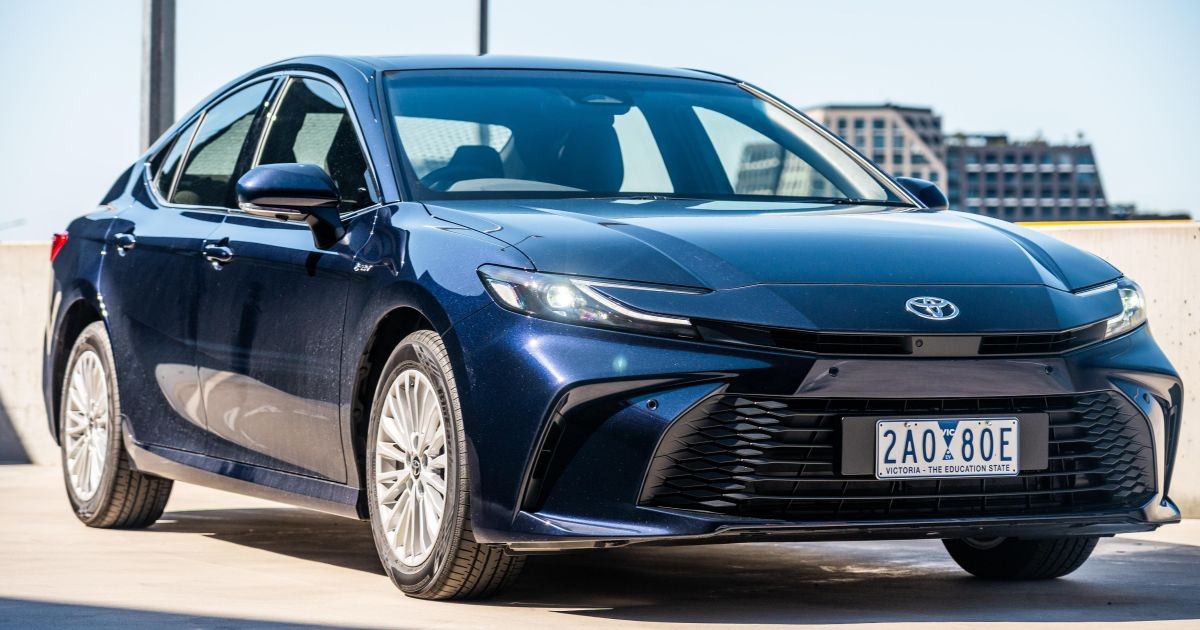
The Toyota Camry, a mainstay in the mid-size sedan segment, was among the biggest offenders. Its official claim of 4.8 liters per 100 kilometers (L/100km) ballooned to 4.0 L/100km during AAA testing – a 20% difference. This meant the Camry also emitted more CO2 than advertised, highlighting not only fuel economy discrepancies but also environmental impact.
Even greater was the gap found in the Chery Tiggo 4 Pro, a compact SUV. Its fuel consumption jumped from a claimed 7.3 L/100km to a recorded 8.8 L/100km, representing a staggering 21% difference. This discrepancy was accompanied by a similarly large overestimation of CO2 emissions.
These findings come amidst an intensifying push for greater transparency in vehicle performance. In 2022, the Australian government allocated $14 million to the AAA – which represents various state motoring clubs – to conduct real-world testing on 200 vehicles that had only undergone laboratory tests previously. This includes recent trials of electric vehicle (EV) range claims, a rapidly evolving area with its own set of challenges for consumers.
Michael Bradley, managing director of the AAA, emphasizes the program’s significance: “Real-world testing is crucial for helping consumers and fleet buyers save money by identifying which cars truly deliver on their promises. At a time when global emissions standards are tightening, this data also reveals how car manufacturers are responding to these demands.”
However, the AAA’s methodology has faced criticism. Some argue that real-world testing conditions, influenced by factors like traffic and weather, introduce too much variability to create reliable comparisons between models. The Federal Chamber of Automotive Industries (FCAI) maintains that lab tests under Australian Design Rule 81/02 offer a more consistent basis for comparison across brands and models.
“When conflicting figures are published, it undermines consumer confidence,” warns FCAI chief executive Tony Weber.
The Electric Vehicle Council also questions the AAA’s approach to EV testing, citing concerns about its potential impact on industry credibility and consumer trust in EVs.
Despite these ongoing debates, the AAA’s real-world testing continues to shine a light on fuel economy discrepancies. This data empowers consumers to make more informed decisions when purchasing vehicles and highlights the need for greater transparency within the automotive industry.