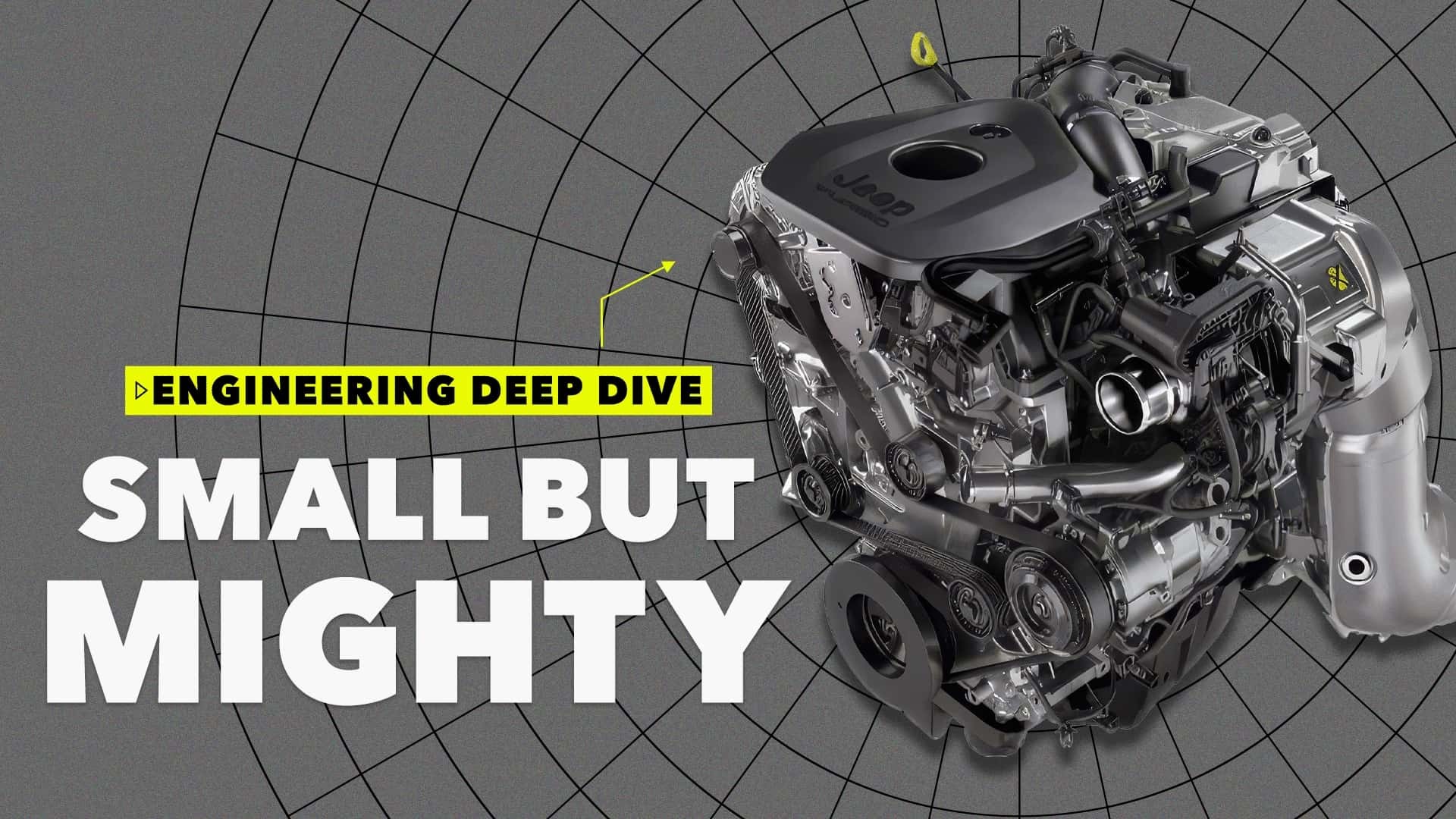
Despite the rise of electric and hybrid vehicles, Jeep is pushing the limits of gasoline engine technology with its new Hurricane four-cylinder turbo engine. This isn’t just another engine; it’s a meticulously engineered powerhouse that blends Formula 1 tech with practical road application, delivering impressive performance and efficiency in a way few automakers are attempting today.
The Core Technology: Turbulent Jet Ignition (TJI)
At the heart of the Hurricane lies Jeep’s Turbulent Jet Ignition (TJI) system. Borrowed from the Maserati MC20’s V6, but refined for Jeep’s needs, this technology employs a pre-chamber combustion system. It works by creating a small, highly-mixed fuel-air charge in a separate chamber, igniting it with a dedicated spark plug, and then injecting the resulting combustion into the main cylinder.
The result? More complete and efficient burning of the fuel-air mixture. This is further enhanced by twin-spark ignition, with the second spark plug ensuring maximum combustion even under high load conditions. The system also leverages direct and port fuel injection, providing a multi-faceted approach to fuel delivery.
Variable Geometry Turbocharging for Efficiency and Power
Jeep didn’t stop at combustion alone. The Hurricane 4 also uses a variable geometry turbocharger (VGT). This system adjusts the exhaust flow entering the turbo, optimizing boost and responsiveness. Unlike traditional wastegates, the VGT provides precise control over turbo speed, allowing for quick spool-up on throttle and efficient operation during cruising.
This isn’t merely about power; it’s about efficiency. The Hurricane 4 achieves an EPA-estimated 27 mpg highway in the Grand Cherokee, a remarkable figure for an internal combustion engine powering a relatively heavy vehicle. The VGT also contributes to quicker catalytic converter warm-up on cold starts, reducing emissions.
Advanced Optimization for Peak Performance
The engine’s sophistication doesn’t end there. Jeep integrated an electric cam phaser, allowing for precise camshaft adjustment even when the engine is off. This smooths start/stop transitions and optimizes combustion efficiency. The Hurricane also runs on the Miller cycle, keeping intake valves open longer to improve fuel-air mixing.
The engine block itself is a testament to modern design. Constructed from aluminum with extensive webbing, it minimizes weight while maximizing strength. The deep skirts indicate a robust bottom end capable of handling high stresses.
Real-World Impression: Power Where It Counts
Testing in the Grand Cherokee revealed a surprisingly responsive engine, pulling the SUV with ease once it reaches higher RPMs. The minimal turbo lag and mid-to-high-biased powerband deliver a driving experience that belies the engine’s small displacement.
The Hurricane 4 is a bold statement from Jeep, demonstrating that internal combustion still has room for innovation.
The sheer amount of advanced technology packed into a base powertrain engine is impressive, pushing boundaries beyond anything Jeep has previously achieved. Whether it ends up in a sport sedan or a dedicated performance vehicle, the Hurricane 4 proves that the internal combustion engine isn’t dead yet.
The Hurricane 4 engine stands as a reminder that even in the age of electrification, there’s still room for ingenuity in traditional engine design. It is a significant step forward in maximizing power and efficiency without sacrificing the driving experience.