For anyone curious about how engines make power, the terms “turbocharged,” “supercharged,” and “naturally aspirated” come up frequently. These terms describe how an engine gets air, which is crucial for combustion and, ultimately, how fast a vehicle accelerates. This guide breaks down the differences in a straightforward way, explaining what each method means, how it works, and the pros and cons of each approach.
Naturally Aspirated Engines: The Baseline
A naturally aspirated (NA) engine simply means it relies on atmospheric pressure to fill its cylinders with air. There are no mechanical aids forcing more air in – it’s the standard way engines worked for decades.
How it Works: The engine draws in air as the piston moves down during the intake stroke, mixes it with fuel, and ignites the mixture to create power.
The Upside: NA engines often provide a more direct and predictable throttle response. Some enthusiasts prefer this “linear” feel, where pressing the gas pedal results in a proportional increase in power. It’s a purist’s approach, like using cast iron cookware instead of modern non-stick.
The Downside: NA engines generally need to be revved higher to produce significant power, making them less fuel-efficient for strong acceleration. They are becoming rarer as manufacturers prioritize efficiency and power density.
Turbocharging: Harnessing Waste Heat
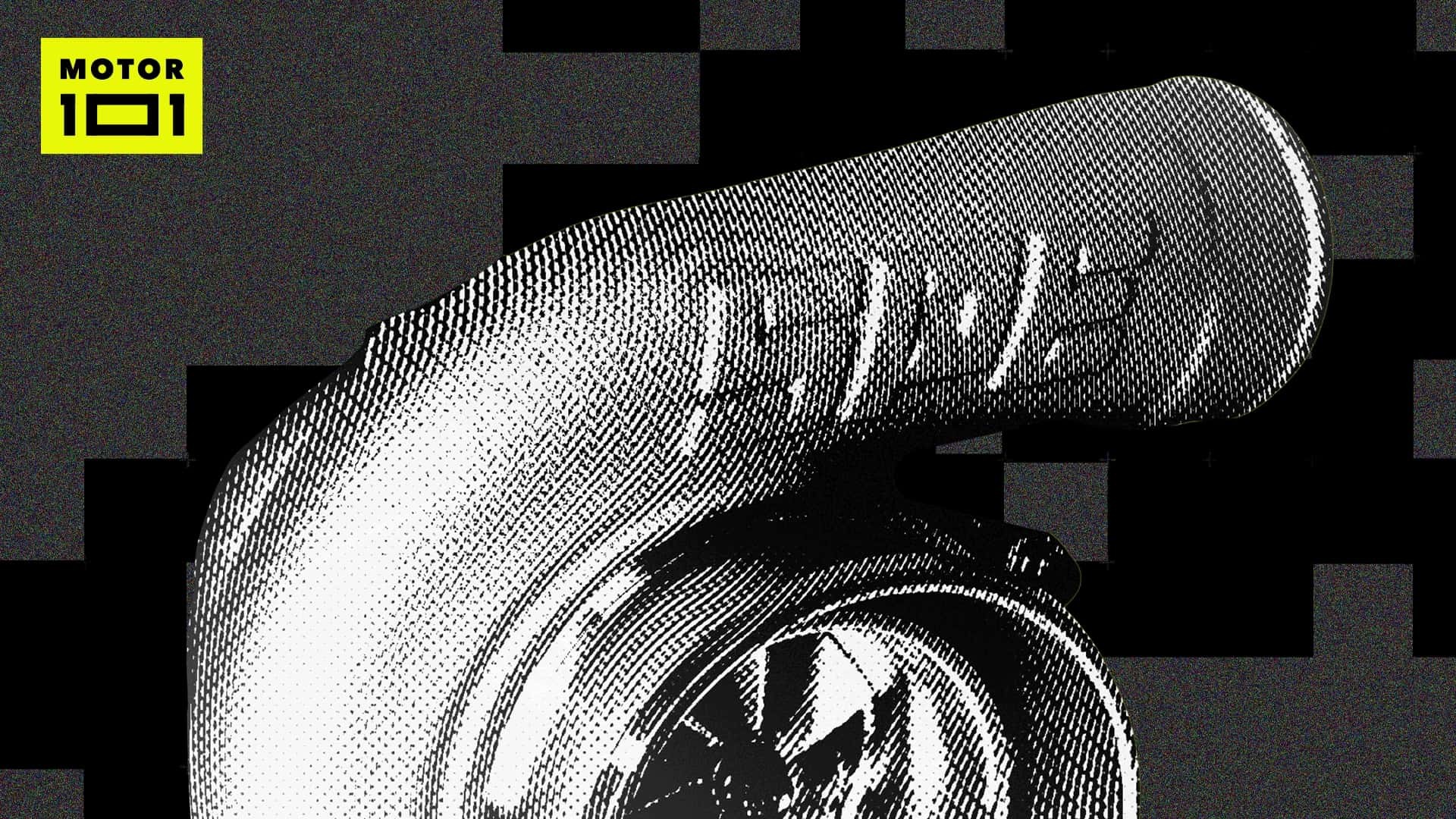
Turbochargers use exhaust gases – energy that would otherwise be lost – to spin a turbine. This turbine powers a compressor that forces more air into the engine. The result? More power from the same engine size.
How it Works: Exhaust gases spin a turbine, which spins a compressor. The compressor pumps extra air into the engine, increasing combustion intensity.
The Upside: Turbos improve fuel efficiency and power output without increasing engine displacement. Modern turbos minimize “turbo lag” (the delay before power kicks in), providing near-instant boost. They are the dominant forced induction method today, balancing power and economy.
The Downside: Turbochargers add complexity and heat, potentially reducing long-term reliability. Though modern turbos are durable, more parts mean more potential failure points. You’ll also hear a distinctive whistling or “pshhh” sound as the turbo spools up and releases pressure.
Supercharging: Direct Mechanical Boost
Superchargers also force more air into the engine, but instead of using exhaust gases, they are mechanically driven by the engine’s crankshaft via a belt and pulley system.
How it Works: The engine’s rotation directly powers the supercharger, which compresses air and forces it into the engine.
The Upside: Superchargers provide immediate boost across the engine’s RPM range – no lag. They create a distinctive high-pitched whine, beloved by muscle car enthusiasts.
The Downside: Superchargers drain power directly from the engine, reducing fuel efficiency. They are primarily a performance upgrade, not an efficiency solution. The parasitic loss from running a supercharger means less net power than a turbocharger with the same boost pressure.
Which System is Best?
There is no single “best” system. Turbocharging has become the industry standard due to its balance of power, efficiency, and cost. Supercharging remains popular for its instant response and aggressive sound. Naturally aspirated engines are niche, favored by enthusiasts for their simplicity and driving feel. The right choice depends on the vehicle’s purpose, budget, and driver preference.