


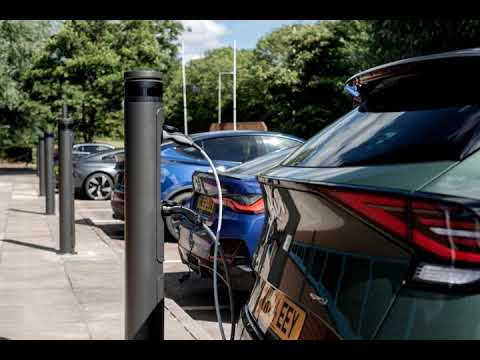
The transition to electric vehicles (EVs) is no longer a future trend—it’s happening now. In 2026, EVs have moved from being a niche choice to an increasingly mainstream option for drivers. This shift is driven by a convergence of factors: falling prices, improved charging infrastructure, and growing environmental awareness. For many, the appeal of lower running costs, a quieter ride, and reduced maintenance is enough to make the switch.
The Economics of Electric: Lower Costs Win Drivers Over
One of the most compelling reasons drivers are considering EVs is simple economics. Electricity consistently undercuts the price of gasoline or diesel per mile, especially with fluctuating fuel costs. Charging at home is significantly cheaper than filling up at the pump, and for daily commuters, these savings add up quickly.
Maintenance costs are also lower. EVs lack traditional combustion engine components like oil, exhaust systems, and many wear-prone parts, translating to fewer garage visits and reduced servicing bills. Regenerative braking further reduces wear on brake pads, extending their lifespan. Beyond this, some regions offer tax incentives and lower road tax rates for electric vehicles, making them even more financially attractive—particularly for company car drivers. While EVs aren’t cheaper for everyone (especially those without home charging access), the long-term financial benefits are becoming increasingly hard to ignore.
Charging Infrastructure: No Longer a Barrier
The biggest hurdle for early EV adopters was the limited and unreliable public charging network. In 2026, that has changed dramatically. Motorway service stations now feature rapid and ultra-rapid chargers that can add significant range in under 30 minutes, making long trips practical. Retail parks, supermarkets, and workplaces also continue to expand charging options.
The convenience factor is key: drivers can often charge their vehicles while shopping or at work. However, the most convenient option remains home charging. A wall-mounted charger allows overnight top-ups, ensuring a full battery every morning without the need for public stations during the week.
Technology has also streamlined the experience. Real-time availability and pricing apps, combined with contactless payment options, remove much of the uncertainty that once plagued EV drivers. While charging still requires planning in some areas (especially without off-street parking), access to electricity on the road is no longer the major barrier it once was.
Affordability: The Price Gap Is Closing
Early EVs carried a significant price premium over gasoline cars, but that gap is shrinking fast. Increased manufacturing scale has driven down battery costs, the single most expensive component in an EV. Automakers are also expanding their electric lineups, increasing competition and offering buyers more choices.
The second-hand market is also growing. Drivers can now find used EVs at more accessible prices, including earlier generations that still deliver solid range for daily use. Brands like BYD are further accelerating this trend, showcasing competitive pricing and advanced battery technology in showrooms across the UK. For many, seeing EVs in this light transforms them from a futuristic concept into a realistic alternative.
The Environmental Factor: A Growing Consideration
Beyond cost and convenience, environmental awareness is playing a larger role in driver decisions. Electric vehicles produce zero tailpipe emissions, making them an attractive option in cities struggling with air pollution.
While electricity generation still has an environmental footprint, the UK’s energy mix is shifting toward renewables. As the grid becomes cleaner, the environmental advantage of EVs grows. Some drivers also appreciate the quieter operation of electric cars, reducing noise pollution in urban and residential areas. Although not the sole motivator, environmental concerns are increasingly weighing alongside financial and practical considerations when drivers choose their next vehicle.
In conclusion, the shift towards electric vehicles is no longer a question of if, but when. The convergence of affordability, improved infrastructure, and growing environmental awareness is making EVs an increasingly compelling choice for drivers in 2026, marking a significant turning point in the automotive landscape.


