The electric vehicle (EV) market is maturing rapidly. No longer a futuristic novelty, EVs are becoming a mainstream option for drivers. If you’ve held off due to range concerns, limited charging options, or simply waited to see if EVs would stick around, now is the time to take a closer look. The industry has evolved, offering viable alternatives to traditional gasoline-powered cars, and prices are becoming competitive. This guide cuts through the noise, helping you understand the benefits, financing, and long-term costs of buying or leasing an EV in 2026.
Why Switch to Electric?
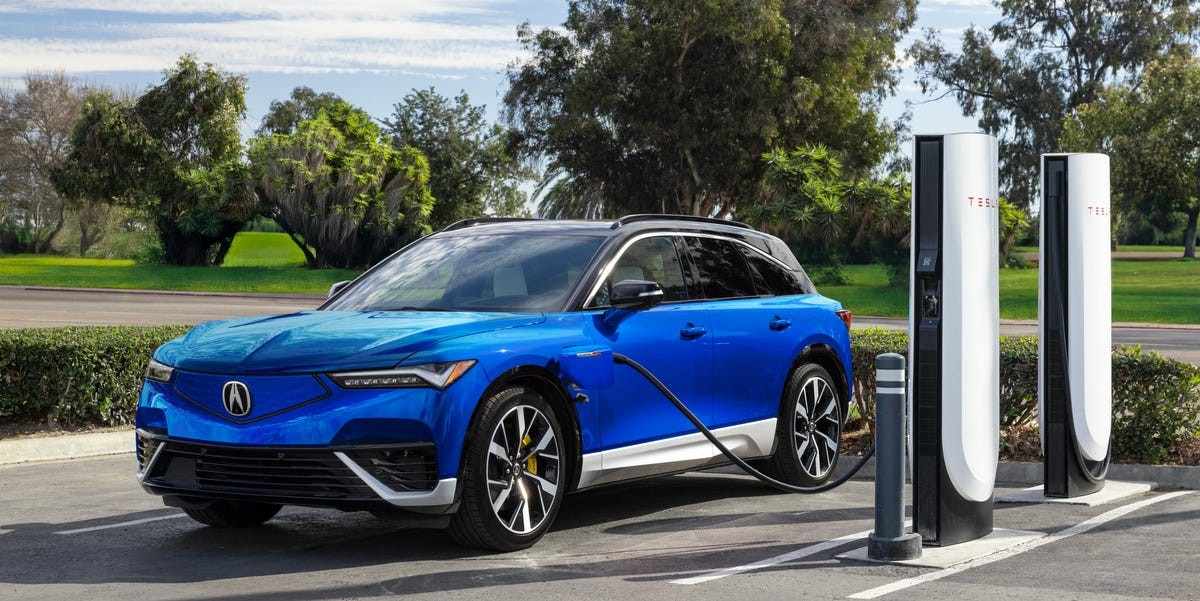
EVs represent a shift in automotive technology with both practical and environmental advantages. Modern EVs easily exceed 300 miles of range, effectively eliminating “range anxiety” for most drivers. Charging speeds have improved, making long trips feasible with minimal downtime. Beyond these improvements, EVs offer a quieter, smoother driving experience, and the potential for long-term savings due to lower fuel and maintenance costs. Whether motivated by environmental concerns, technological curiosity, or simply seeking a better driving experience, an EV might be the right choice for you.
Buy or Lease? The EV Equation
The decision to buy or lease depends on your individual needs and financial situation, but the rapidly evolving EV market leans towards leasing. Unlike traditional vehicles where depreciation is a major factor, EVs face rapid technological advancements. Leasing allows you to avoid obsolescence by upgrading to newer models with improved battery technology and features every few years.
Moreover, leasing sidesteps concerns about battery health. Owners often worry about maximizing battery life through careful charging habits, but leaseholders can take full advantage of fast-charging and other conveniences without long-term consequences. Leasing often unlocks better incentives, as leasing companies can claim federal tax credits, which are then passed on to the consumer. While some prefer long-term ownership, leasing offers flexibility and minimizes risk in a volatile market.
Federal and State Incentives: Act Fast
Currently, the federal government offers up to $7,500 in tax credits for eligible new EV purchases, but this incentive expires after September 30, 2025. Eligibility depends on vehicle MSRP, assembly location, and battery content. Income restrictions apply to individual buyers, but leasing companies can claim the credit regardless, often reducing lease payments.
Beyond federal benefits, many states and local municipalities offer additional rebates and incentives. Research local programs before making a decision to maximize your savings. Automakers also frequently offer discounts to boost sales, so keep an eye out for promotions. While exceptional deals like $0 leases are rare, they do exist.
Financing and Insurance Costs
Financing EVs is no different than financing traditional cars; lenders treat them the same. However, EVs tend to be more expensive to repair due to specialized components. This could translate into higher insurance premiums. Always shop around for insurance quotes before committing to a purchase to avoid unexpected costs.
Ultimately, the transition to electric vehicles is well underway. With improved range, faster charging, and growing incentives, EVs are becoming increasingly practical and affordable. Whether you buy or lease, doing your research and understanding the financial implications will ensure you make the right choice.