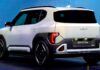
Land Rover’s iconic Freelander name is making a comeback, but with a twist. Chinese automaker Chery will unveil the first model in a new Freelander series next Tuesday, March 31st, in a collaboration with Jaguar Land Rover (JLR). This marks a significant shift in strategy for both companies, blending JLR’s design expertise with Chery’s manufacturing capabilities.
Strategic Partnership: JLR and Chery Unite
The partnership sees Chery reviving the Freelander brand for a line of electrified crossovers. These vehicles will be built on Chery’s existing T1X platform—the same base used for other models like the Jaecoo 7—but with a unique design language led by JLR. The goal is to capture the essence of the original Land Rover Freelander while appealing to modern, tech-savvy Chinese consumers.
Design and Market Focus
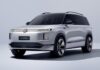
The initial teaser images reveal a distinctive front light signature that pays homage to the original Freelander’s styling cues. The new models will blend rugged off-road aesthetics with a sleek, coupé-like profile reminiscent of the Porsche Macan.
Initially, the Freelander series will be exclusive to the Chinese market. However, JLR China president Qing Pan has indicated that global expansion is a possibility in the future. This move comes as JLR looks to replace its Discovery Sport and Range Rover Evoque production in China, which is set to conclude this year.
Market Positioning: Filling a Niche
The Freelander line will occupy a different segment from JLR’s premium imports, such as the Range Rover and Defender. These new vehicles will be sold through a dedicated network of Chery-run dealerships, operating outside of JLR’s existing “House of Brands” strategy. This allows Chery to compete directly in the Chinese market without overlapping with JLR’s luxury offerings.
The new Freelander represents a strategic move for both JLR and Chery, leveraging brand recognition and manufacturing efficiency to fill a critical gap in the Chinese automotive market.
The collaboration highlights the evolving landscape of the automotive industry, where partnerships between established luxury brands and emerging manufacturers are becoming increasingly common. It’s a testament to the growing influence of the Chinese market and the need for automakers to adapt to shifting consumer preferences.