

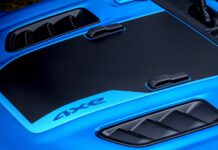



Stellantis is issuing a third recall for its popular Jeep 4xe hybrid models in less than a month, raising serious questions about quality control and the reliability of its electrified powertrains. The latest action affects over 112,000 Wrangler and Grand Cherokee 4xe plug-in hybrids, built between 2023 and 2025, due to a critical manufacturing defect.
Engine Contamination: A Recurring Issue
The core problem stems from sand contamination in the 2.0-liter four-cylinder engines produced at a Stellantis facility in Mexico. During the casting process, microscopic sand particles can become embedded within the engine components. If these particles dislodge and circulate through the engine, they can cause catastrophic damage, leading to power loss, vehicle control issues, and even fires.
This isn’t a hypothetical risk. Jeep has documented 36 customer assistance records, 144 warranty claims, and alarming reports of 36 fires, 50 propulsion failures, and 50 additional engine-related incidents. Disturbingly, three individuals have already sustained injuries as a direct result of these failures.
Why This Matters: A Pattern of Problems
The recall highlights a broader issue: quality control lapses in the production of Jeep’s hybrid engines. The fact that this is the third recall in such a short timeframe suggests systemic deficiencies in the manufacturing process. While hybrid technology is generally reliable, this situation raises doubts about Stellantis’ ability to consistently deliver safe and dependable electrified vehicles.
The Fix: A Costly Undertaking
Stellantis is still developing a solution, with owner notifications expected around December 29. The most likely remedy—replacing the entire engine—could mirror a similar recall Toyota faced earlier this year, when contaminated V6 engines forced a widespread replacement program. This fix will be expensive for Stellantis, potentially running into the hundreds of millions of dollars.
A Second Warning: Battery Fire Risk
This recall comes on the heels of another urgent warning from Jeep, advising over 320,000 Wrangler and Grand Cherokee 4xe owners to park their vehicles outdoors, away from structures, due to a separate fire risk involving the hybrid battery packs. This double-barreled safety crisis is severely damaging consumer confidence in the 4xe brand.
The Bigger Picture: Hybrid Reliability
While hybrid technology is becoming mainstream, this Jeep debacle underscores the importance of rigorous quality control. The repeated failures raise questions about whether Stellantis rushed the 4xe rollout without adequately addressing manufacturing flaws. The long-term impact could be diminished sales and a tarnished reputation for Jeep’s electrified lineup.
What Happens Next?
Owners of affected vehicles should expect official recall notices in late December. The severity of the engine contamination issue suggests that a complete engine replacement may be the only viable solution. Until then, Jeep’s 4xe hybrid program faces a critical test of trust and reliability