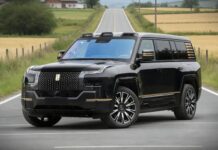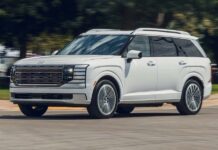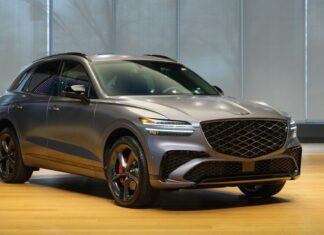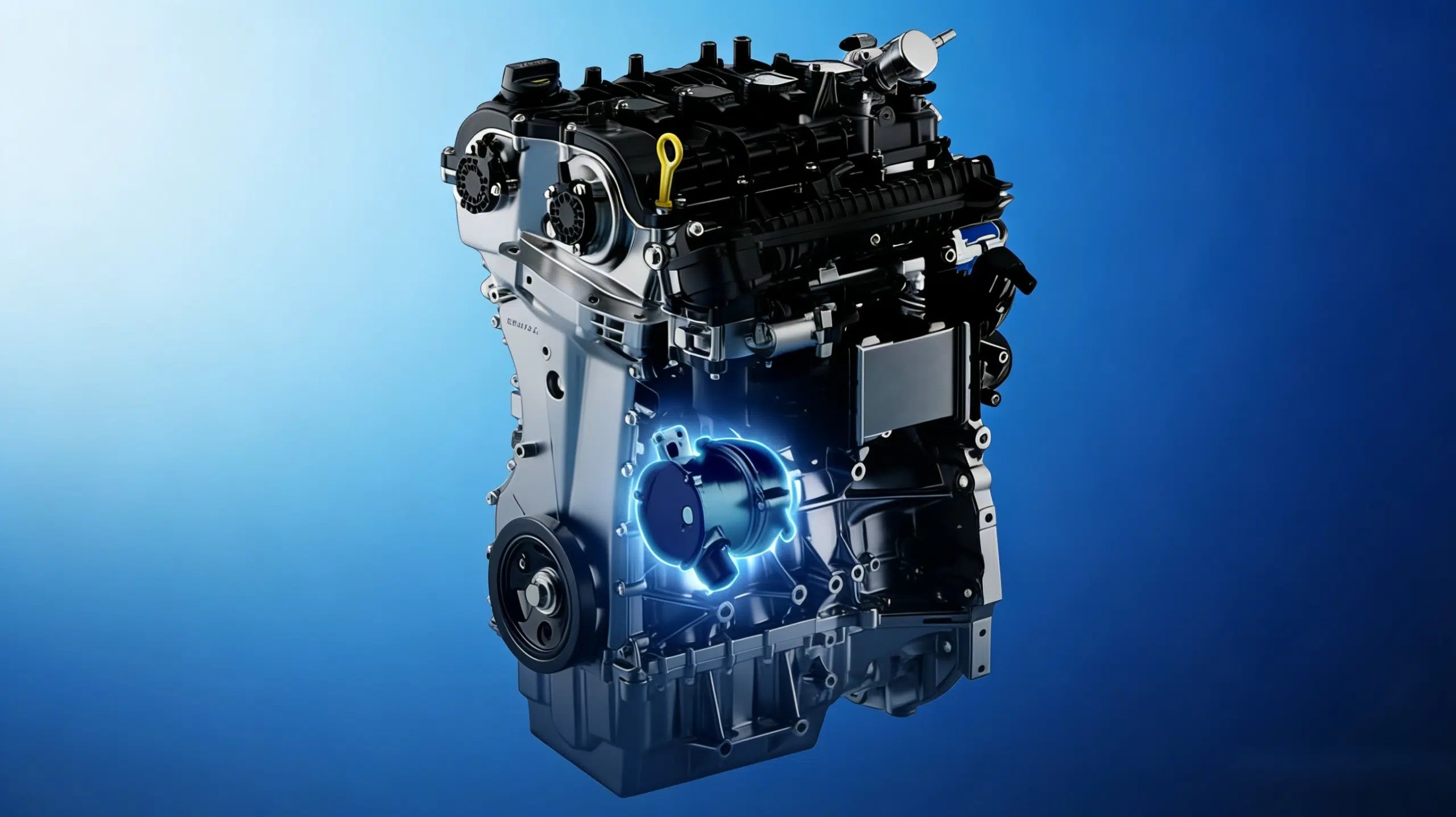
The global automotive landscape is witnessing a strategic shift. While the initial wave of electrification focused heavily on Battery Electric Vehicles (BEVs) and Plug-in Hybrids (PHEVs), a new trend is emerging for 2026: the resurgence of the Hybrid Electric Vehicle (HEV).
Major Chinese manufacturers, including Chery, Geely, and Changan, are pivoting toward advanced hybrid systems designed to deliver high performance and ultra-low fuel consumption, directly challenging the long-standing dominance of Toyota.
A Clash of Technologies: Mechanical vs. Electric-First
The battle for hybrid supremacy is being fought through two fundamentally different engineering philosophies.
- The Toyota Model (THS): Toyota’s Hybrid Synergy Drive relies on a planetary gear power-split device. This mechanically links the engine and the wheels, ensuring the engine operates within its most efficient range while electric motors provide seamless assistance. This system excels at smoothness and reliability but often limits high-end electric power due to the mechanical coupling.
- The Chinese Model (DHT): Automakers like Changan and Geely are moving toward series-parallel architectures paired with Dedicated Hybrid Transmissions (DHT). These systems prioritize electric drive. By using larger motors (130–180 kW), these vehicles offer much stronger acceleration than traditional hybrids.
The Result: While Toyota prioritizes seamless efficiency, Chinese manufacturers are aiming for a “best of both worlds” scenario—offering urban fuel consumption as low as 2–3 L/100 km without sacrificing the punchy performance drivers expect.
The Economic Driver: Why Smaller Batteries Matter
The pivot toward HEVs is not just about engineering; it is a calculated response to market economics.
The cost of battery materials remains a volatile factor in vehicle pricing. HEVs offer a “sweet spot” for manufacturers:
1. Lower Material Costs: HEVs typically use small batteries (1–2 kWh), whereas PHEVs require 10–20 kWh and BEVs require 50+ kWh.
2. Maintaining Margins: In China’s hyper-competitive, price-sensitive market, smaller battery systems allow automakers to keep vehicle prices low while protecting their profit margins.
3. Infrastructure Practicality: In regions where charging infrastructure is sparse or electricity costs are high, HEVs provide a bridge to electrification without the “range anxiety” or charging hurdles of full EVs.
Strategic Positioning: Complementary, Not Replacement
This shift does not signal a retreat from electrification, but rather a diversification of the portfolio. The industry is currently split into three distinct strategic camps:
| Strategy | Key Player | Focus |
|---|---|---|
| Hybrid Dominance | Toyota | Refined, mechanically linked efficiency (42% of 2025 sales). |
| Electrification Heavy | BYD | A balanced split between PHEVs and pure BEVs. |
| High-Performance Hybrid | Chery/Geely/Changan | Electric-centric hybrids with high torque and low fuel use. |
Policy and Market Tailwinds
The regulatory environment in China is also shifting the playing field. Starting in 2026, purchase tax incentives for plug-in hybrids will transition from full exemptions to partial relief. As the gap between PHEV incentives and HEV status narrows, the economic advantage of the “plug-in” model diminishes.
Furthermore, for a massive domestic market of internal combustion engine (ICE) users, HEVs represent the most frictionless transition. They offer modern efficiency without requiring a change in consumer behavior—specifically, the need to find and use charging stations.
Conclusion
The move by Chinese automakers toward advanced HEV systems represents a sophisticated middle ground. By blending high-output electric motors with smaller, cost-effective battery arrays, they are creating a product that addresses both consumer demands for performance and manufacturer needs for profitability.