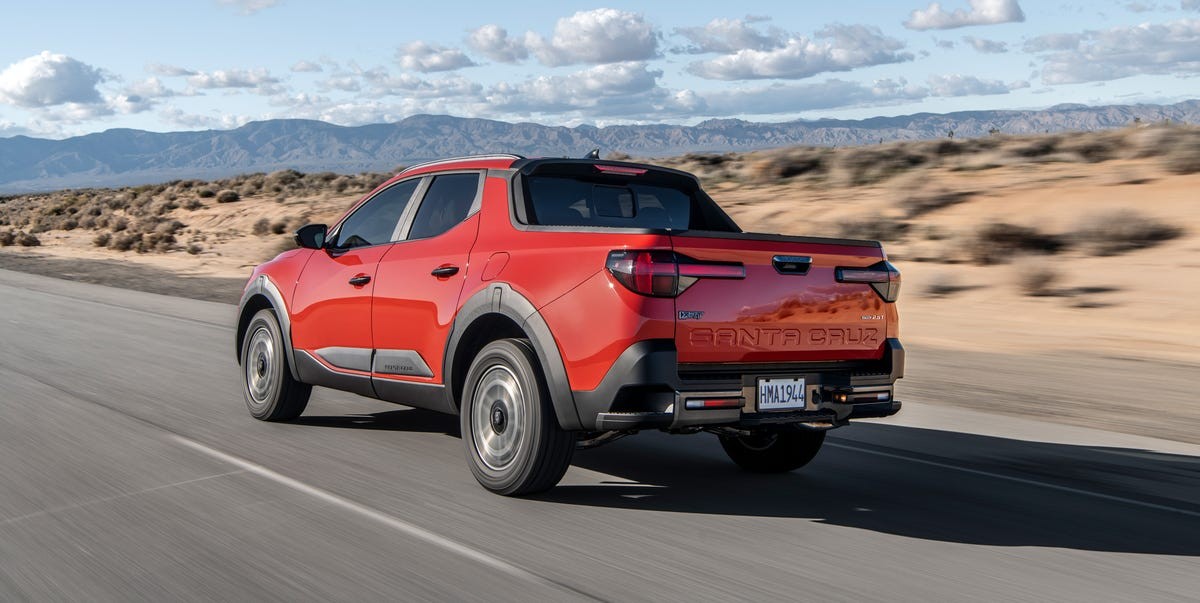
Hyundai is phasing out its Santa Cruz compact pickup truck due to persistently weak sales and overstocked inventories, with production expected to end in early 2027. The decision comes as the company pivots towards developing a more competitive mid-size body-on-frame truck, aiming to challenge established players like the Ford Ranger and Toyota Tacoma.
Santa Cruz Sales Underperformance
The Santa Cruz has consistently lagged behind its primary competitor, the Ford Maverick. In 2025, Ford sold over six times as many Mavericks (155,051 units) compared to the Santa Cruz (25,499 units). This significant disparity, coupled with an excess of unsold Santa Cruz models – roughly five months’ worth of inventory – prompted Hyundai to reassess its strategy.
The Santa Cruz’s design, based on a stretched Tucson crossover (unibody construction), proved less appealing to traditional truck buyers who favor the rugged durability of body-on-frame platforms. This mismatch in consumer preference contributed to the model’s struggles.
Future Plans: A Larger, More Competitive Truck
Hyundai is now prioritizing the development of a mid-size truck built on a traditional body-on-frame chassis. This move signals a shift toward competing directly with popular and well-established trucks in the segment. The new model is projected to arrive by the end of the decade.
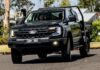
The company has not yet confirmed specific details, but industry speculation suggests the new truck will share components with the Kia Tasman, which launched in late 2024. This collaboration could potentially extend to a body-on-frame SUV variant, mirroring the relationship between Toyota’s Tacoma and 4Runner models.
Market Context and Industry Trends
Hyundai’s decision reflects a broader trend within the automotive industry: the dominance of established brands in the truck market. Loyal fan bases and years of brand recognition give competitors like Ford and Toyota a substantial advantage.
Hyundai’s move to discontinue the Santa Cruz and pursue a larger truck suggests the company recognizes the need to adapt to consumer demand and compete more effectively in a segment where practicality and durability are key. The shift also highlights the importance of aligning vehicle design with prevailing market preferences.
Hyundai’s long-term product planning is guided by consumer demand and market trends, and this decision reflects a clear response to those factors.
The automaker’s official statement, relayed through a spokesperson to Car and Driver, confirms that all vehicle planning is based on careful consideration of these forces.