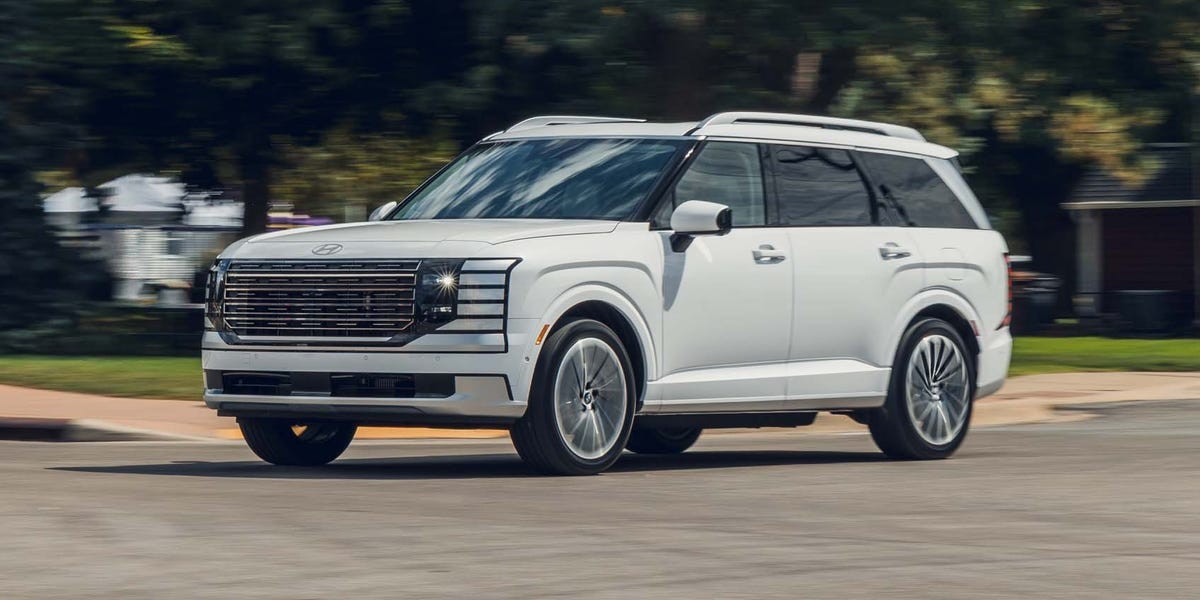
Hyundai has lifted the sales freeze on its 2026 Palisade models, specifically the high-end Calligraphy and Limited trims. The pause, which began in mid-March, was implemented following a tragic incident involving the death of a two-year-old child.
The automaker has now finalized a comprehensive software overhaul designed to prevent similar accidents by fundamentally changing how the vehicle’s powered rear seating operates.
The Root of the Issue: Seat Functionality
The safety concerns centered on the powered second- and third-row seats. In previous iterations, the ease of use—specifically the ability to stow or fold seats with minimal input—created a risk where occupants could be inadvertently trapped or crushed during seat adjustments.
To address this, Hyundai has moved away from “convenience-first” automation in favor of more rigorous safety protocols.
Key Changes in the Software Update
The new software patch introduces several layers of protection to ensure that seat movements are intentional and monitored:
- Improved Detection: The core of the update involves enhanced occupant and object recognition software. This is intended to help the vehicle better sense if a child or object is in the path of a moving seat.
- Modified Input Requirements: The “single-touch” function, which allowed seats to stow automatically with one press, has been removed. Users must now use a “touch-and-hold” operation to fold the rear seats, ensuring the movement is deliberate.
- Operational Restrictions:
- The seat-stow function can now only be activated when the tailgate is open.
- Control of the folding and stowing functions has been disabled via the infotainment screen to prevent accidental remote activation.
How the Fix is Being Implemented
Hyundai is utilizing a dual approach to roll out these changes to both new inventory and existing owners:
- Over-the-Air (OTA) Updates: Vehicles equipped with an active Bluelink subscription can receive the update wirelessly, minimizing inconvenience for the owner.
- Dealer Installation: For customers without Bluelink, or those who prefer a manual installation, the update is available through local Hyundai dealerships.
Dealers were previously under a “stop-sale” order; they are now permitted to resume sales once the updated software has been successfully applied to their current inventory.
Why This Matters
This incident highlights a growing tension in automotive design: the balance between user convenience and passenger safety. As SUVs become more technologically advanced, “smart” features like powered seating can inadvertently create new hazards if they lack sufficient sensory feedback. Hyundai’s decision to disable certain automated features and require manual “hold” commands reflects a broader industry trend toward prioritizing fail-safe mechanisms over seamless automation in high-risk areas of the vehicle.
The transition from single-touch automation to “touch-and-hold” requirements marks a significant shift in how Hyundai prioritizes occupant safety over pure convenience.
Conclusion
By implementing stricter controls and improved object detection, Hyundai aims to restore consumer trust and prevent future tragedies involving its flagship SUV. The resumption of sales signals that the manufacturer believes these software safeguards are sufficient to mitigate the risks identified earlier this year.