The latest reliability rankings from Consumer Reports serve as a stark reminder for car buyers: cutting-edge technology often comes at the cost of mechanical dependability. Based on an extensive survey of approximately 380,000 vehicles, the study highlights a growing divide between automakers who prioritize proven engineering and those racing toward complex new frontiers.
The Reliability Leaders: Consistency Wins
For those prioritizing peace of mind over flashy gadgets, the hierarchy remains predictable. The top tier is dominated by brands known for long-term durability:
- Toyota (1st Place)
- Subaru (2nd Place)
- Lexus (3rd Place)
- Honda (4th Place)
- BMW (5th Place)
These results underscore a broader trend in the automotive industry: Asian manufacturers continue to lead the pack in reliability, followed by European brands in the middle, while domestic U.S. brands generally trail behind.
The Mazda Dilemma: The Cost of Complexity
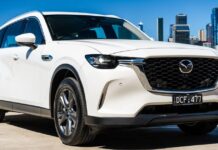
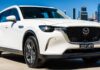
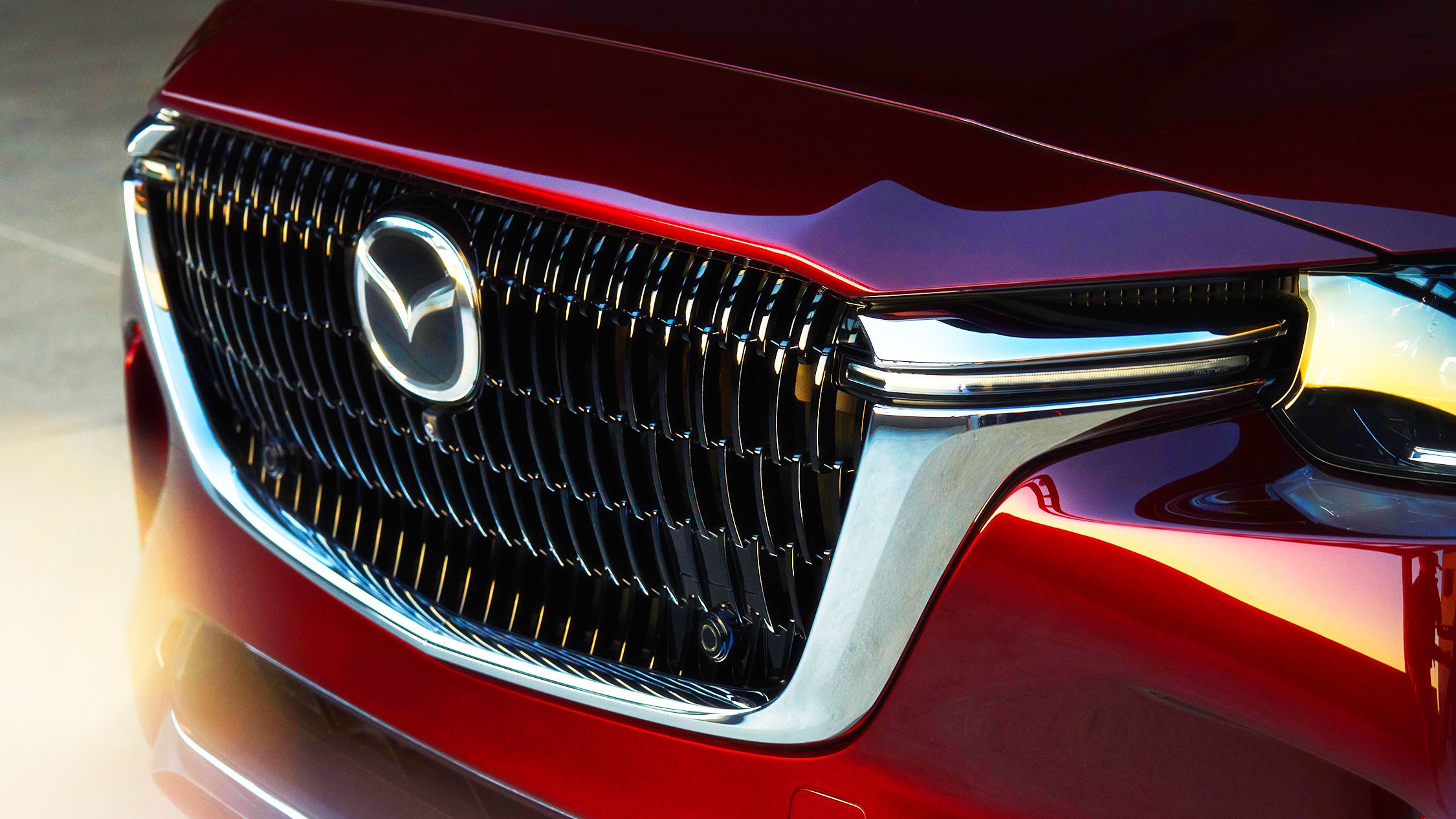
The most significant mover in the rankings was Mazda, which suffered an eight-spot drop to 14th place. While Mazda’s older, established models performed well, their newer, more sophisticated lineup struggled to maintain that same standard.
The culprit appears to be the brand’s recent push into complex new platforms, specifically the CX-70 and CX-90. The plug-in hybrid (PHEV) versions of these models, in particular, have been flagged for reliability issues.
This highlights a common industry pattern: when an automaker introduces new drivetrains and advanced technology simultaneously, the early adopters often end up acting as “unpaid beta testers” for the company’s research and development.
Notable Shifts: Tesla’s Ascent and Detroit’s Performance
While Mazda struggled, Tesla showed significant improvement. The company jumped eight places to 9th overall, driven largely by the reliability of the Model 3 and Model Y. Although the Cybertruck continues to perform below average, Tesla seems to be gaining better control over the hardware and “fit and finish” issues that previously plagued its reputation.
Regarding the American “Big Three” automakers, Buick led the group in 8th place, followed by Ford in 11th. While newcomers like Rivian appeared in the rankings, they occupy a different tier of data maturity compared to established giants.
The Tech Gap: Hybrids vs. EVs
The study reveals a clear trend regarding electrification:
– Hybrids: Remain a “safe bet” for drivers looking to improve fuel economy without sacrificing reliability.
– EVs and PHEVs: These categories are currently overrepresented among the least reliable models.
This is largely because electrified powertrains are often tied to brand-new, heavily redesigned vehicle architectures. When a car is “all-new,” the likelihood of unforeseen mechanical or software glitches increases significantly.
Conclusion
The data suggests that while innovation is necessary for progress, it often creates a “reliability gap” during the transition period. For consumers, the safest path remains choosing proven platforms rather than being the first to test an automaker’s most ambitious new technology.