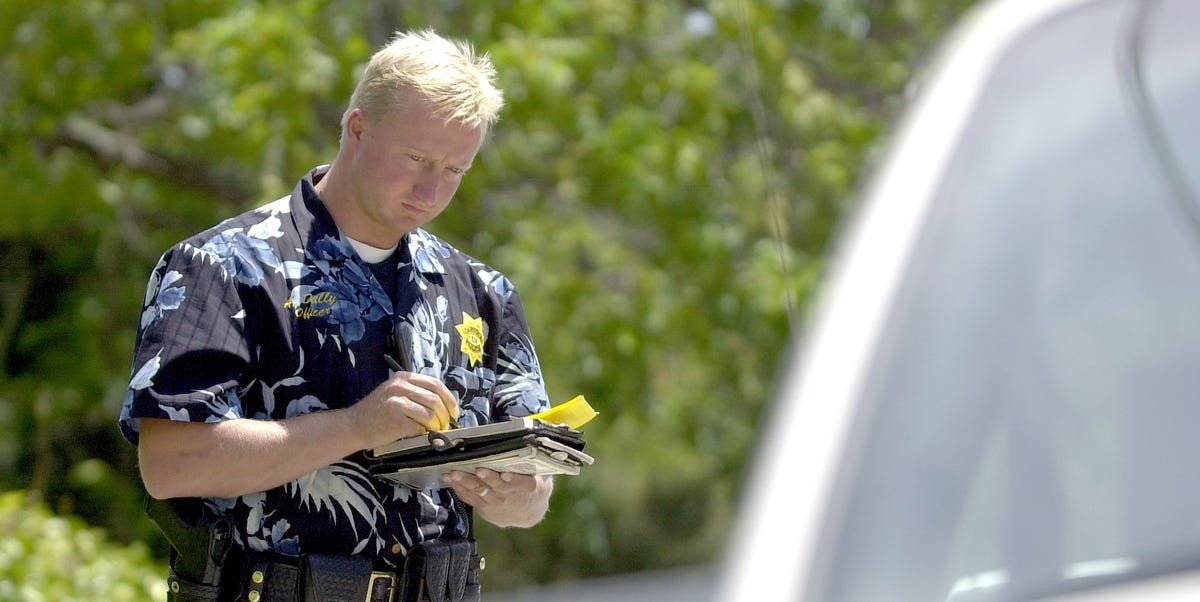
A significant legal shift is underway in California, where law enforcement will soon have the formal authority to cite autonomous vehicles for traffic violations. State Assembly Bill 1777, set to take effect on July 1, 2026, establishes a clear framework for holding self-driving car operators accountable when their vehicles break traffic laws.
This legislation addresses a growing logistical challenge: as companies like Waymo and Zoox expand their fleets, police officers need a standardized way to handle infractions committed by vehicles without human drivers.
How the New Ticketing Process Works
The primary hurdle in citing a driverless car is the absence of a driver to hand a physical ticket to. Bill 1777 solves this by introducing “notices of autonomous vehicle noncompliance.”
- Documentation: Police officers will record the date, time, location, and license plate number of the violation.
- Centralized Processing: Instead of handing a ticket to a driver, the notice is sent to the California Department of Motor Vehicles (DMV).
- Operator Liability: The DMV reviews the incident and determines any necessary penalties. The financial and legal responsibility falls on the vehicle operator (e.g., Waymo or Zoox), not the vehicle itself.
In more serious cases, such as at-fault crashes, officers will issue citations to a company representative who must be present at the scene. This ensures that there is always a human point of contact accountable for the vehicle’s actions.
Enhancing Emergency Response Coordination
Beyond traffic tickets, the bill introduces strict protocols for how autonomous vehicles interact with emergency services. This is a critical safety update, ensuring that self-driving cars do not obstruct police, fire, or medical responders.
Key requirements include:
* 24/7 Communication: Operators must maintain a dedicated emergency response call line and a two-way communication device. This allows first responders to speak directly with a remote human operator controlling or monitoring the vehicle.
* Geo-Fencing Alerts: Emergency responders can send digital “geo-fencing” messages to autonomous fleets. Operators must program their vehicles to avoid these restricted areas (such as crime scenes or accident sites) within two minutes of receiving the alert.
Increased Scrutiny and Testing Standards
Bill 1777 also aims to increase transparency and safety through rigorous testing and reporting standards. The legislation imposes stricter requirements on operators based on the size and weight of their vehicles, mandating up to 500,000 miles of testing before full deployment.
Additionally, operators are required to:
* Create an annual first responder interaction plan.
* Adhere to new, stricter standards for data reporting, allowing regulators to better monitor fleet performance and safety incidents.
Conclusion
California’s new legislation marks a pivotal step in integrating autonomous vehicles into the public infrastructure. By establishing clear accountability mechanisms and improving emergency coordination, the state aims to balance innovation with public safety. As self-driving technology becomes more common, these rules ensure that operators remain responsible for their vehicles’ behavior on the road.