






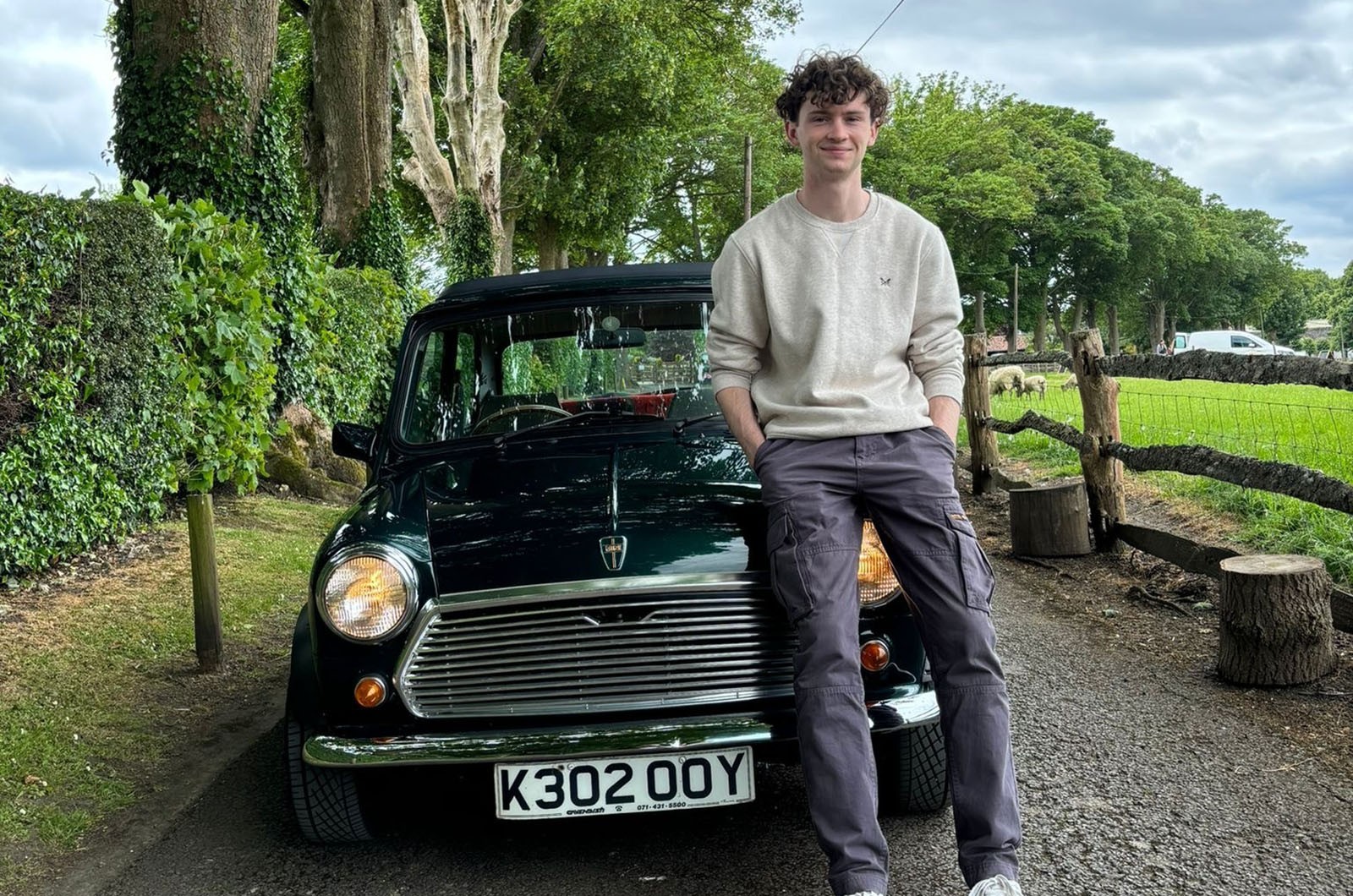
The iconic classic Mini, beloved for its timeless design and nimble handling, is rapidly disappearing from the reach of everyday drivers. What was once an accessible entry point into classic car ownership is now becoming a luxury item, driven by soaring prices and limited availability.
The Rising Cost of Nostalgia
For decades, the original Mini – whether a Morris, Austin, or later Rover-branded model – represented affordable fun. However, in recent years, prices have skyrocketed. A well-maintained Rover MPI that would have cost around £3,000 just a few years ago now routinely fetches over £10,000. This inflation is due to several factors:
- Growing Demand: Classic Minis have experienced a surge in popularity, fueled by nostalgia and their unique appeal.
- Limited Supply: Production ended in 2000, meaning the pool of available cars is finite.
- Investment Potential: Some buyers now view Minis as collectibles, driving up prices beyond practical use.
The Reality of Ownership
Even finding a usable Mini requires compromise. Many available cars are high-mileage, neglected, or require significant restoration. A 1992 Rover Mini British Open Classic, for example, might be within budget after haggling, but could still need major repairs – such as a failing clutch, overdue servicing, or a non-functional sunroof.
A Vanishing Opportunity
For many enthusiasts, the dream of owning a classic Mini is fading. The market is pricing out those who simply want a fun, reliable vintage car. Unless prices stabilize or more examples become available, this beloved British icon risks becoming an exclusive indulgence rather than an accessible part of automotive history.
The classic Mini’s story is a cautionary tale about how nostalgia and scarcity can transform an affordable passion into an unaffordable luxury.