

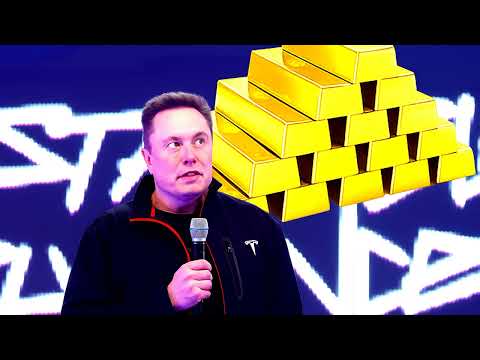
Tesla shareholders recently approved a groundbreaking compensation package for CEO Elon Musk: the potential for a $1 trillion payout over the next decade. This extraordinary reward is tied to Tesla achieving ambitious milestones, primarily centered on increasing the company’s market value and rapidly expanding its production and technological advancements. The vote has sparked considerable discussion, highlighting both the potential upside for investors and the significant risks involved.
The Structure of the Mega-Payout
The $1 trillion figure is not a guaranteed sum but rather a potential reward dependent on Tesla hitting a series of demanding targets. To unlock the full payout, Musk must significantly increase Tesla’s market value from its current level of $1.4 trillion to $8.5 trillion. Beyond valuation, Tesla needs to produce 20 million vehicles, a considerable leap from the 8.5 million it has manufactured throughout its history.
Key Milestones for Tesla
Beyond vehicle production and market capitalization, the agreement includes other pivotal requirements:
- FSD Subscriptions: Achieving 10 million Full Self-Driving (FSD) subscriptions.
- Robotaxi Fleet: Deploying 1 million Robotaxis on public roads.
- Optimus Robots: Delivering 1 million Optimus humanoid robots.
The payout won’t arrive as a lump sum. Instead, Musk will receive “hundreds of millions” of additional Tesla shares over the decade, potentially increasing his stake in the company from 13% to as much as 29%.
Why Shareholders Approved the Deal
The board and some shareholders publicly warned that without this agreement, Musk might divert his attention to his other ventures, including SpaceX, Neuralink, and xAI. This raises a critical point: Tesla shareholders are betting on Musk’s vision and leadership. The appeal of this deal largely rests on the belief that Musk is uniquely positioned to lead Tesla’s transformation into a leader in autonomous driving and robotics—specifically, the company’s advancements in artificial intelligence (AI).
Challenges Facing Tesla
The approval comes at a complex moment for Tesla. The company faces several headwinds:
- Weakening Demand: Sales have fallen short of expectations in key markets.
- Price Cuts and Thinning Margins: Repeated price reductions have eroded profit margins.
- Increasing Competition: Both established automakers and new Chinese EV manufacturers are gaining ground in the electric vehicle market.
- Cybertruck Disappointment: While highly publicized, demand for the Cybertruck has not met initial hype.
- Legal and Regulatory Scrutiny: Tesla faces lawsuits regarding crashes and is under investigation by US regulators over the safety of its driver-assistance technology. A recent study also suggests that Musk’s political stances have negatively impacted sales.
A High-Stakes Gamble
The decision to back Musk’s colossal compensation package represents a significant gamble by Tesla shareholders. It hinges on the success of Tesla’s ambitious AI and robotics initiatives, particularly the realization of the company’s long-promised full self-driving capabilities. Should Musk succeed in turning this vision into a reality, the $1 trillion payout will appear entirely justified. However, the multitude of challenges facing Tesla suggests that this outcome is far from guaranteed, leaving the company and its shareholders facing a high-stakes bet on the future.