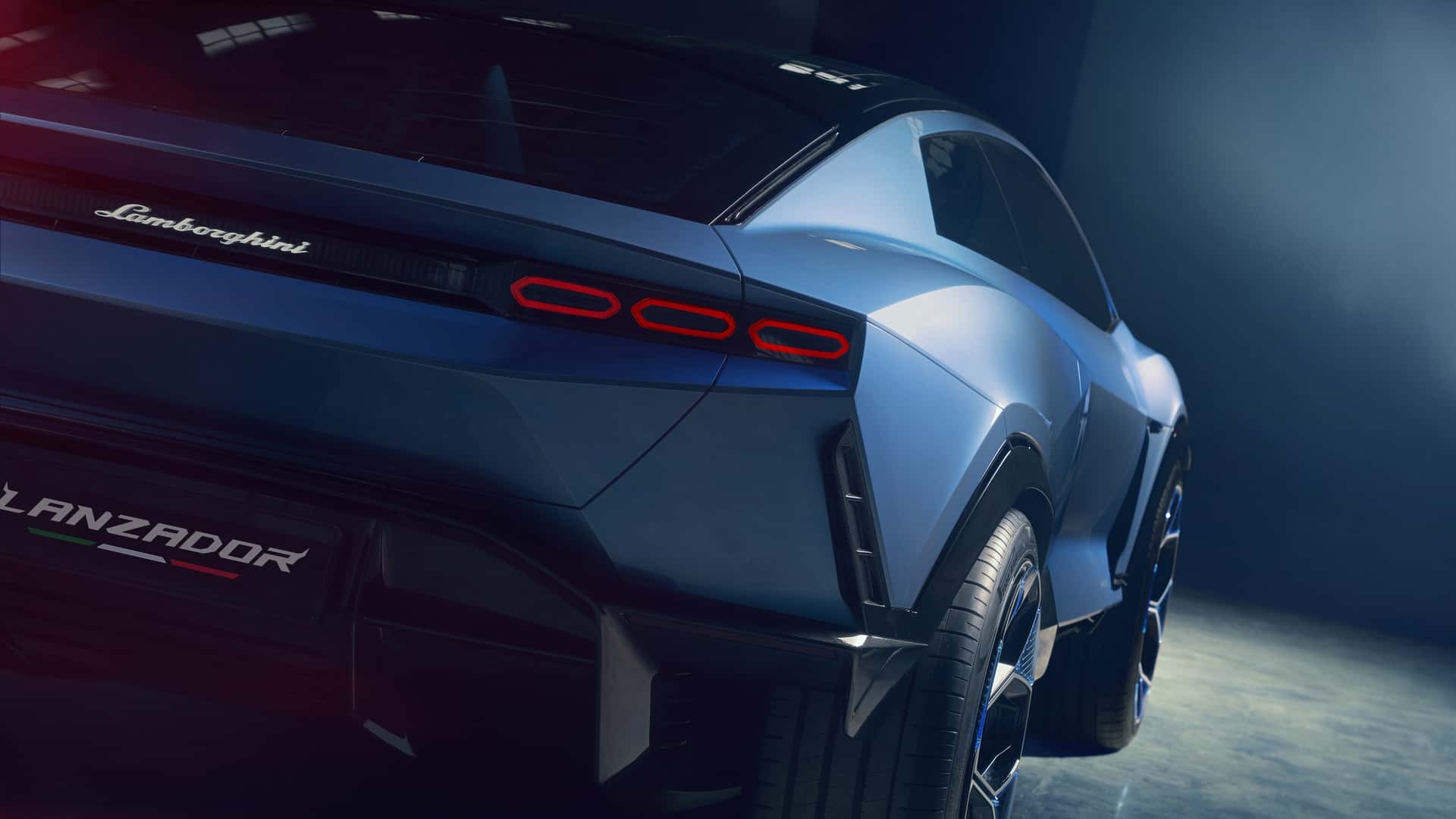
Lamborghini has officially canceled its first all-electric vehicle, the Lanzador, after concluding that demand for electric supercars among its core customer base is “close to zero.” Instead, the company will focus on plug-in hybrid models as a more viable path forward. This decision highlights the challenges even luxury automakers face in transitioning to full electrification, particularly when catering to buyers prioritizing the visceral experience of combustion engines.
The Cancellation: A Matter of Market Reality
The Lanzador was initially unveiled as Lamborghini’s future EV concept, with a planned production launch in 2028. However, internal assessments and customer feedback revealed a significant reluctance among high-end buyers to embrace an electric Lamborghini. CEO Stephan Winkelmann described the pursuit of full EV development in this market as an “expensive hobby,” a financially irresponsible venture given the current demand.
This isn’t simply about preference; it’s about the core identity of the brand. Lamborghini buyers, Winkelmann argues, seek an “emotional connection” that electric powertrains currently fail to deliver. The company is betting that plug-in hybrids will satisfy both tightening emissions regulations and the desires of its clientele.
Hybrid as a Compromise
Lamborghini will proceed with a plug-in hybrid version of the Lanzador by the end of the decade, alongside a hybrid-powered next-generation Urus. This strategy allows the company to meet regulatory pressure without alienating its customer base. The decision reflects a broader tension in the luxury automotive sector, where tradition and performance often clash with the push for sustainability.
Regulatory Pressures and Industry Trends
Automakers in the European Union face increasingly strict emissions standards. By 2035, CO2 emissions must be cut by 90% compared to 2021 levels, with an intermediate target of 55% by 2030. While this creates a clear incentive for electrification, Lamborghini believes it can navigate these rules effectively with hybrid technology—at least for now.
The contrast with competitors like Ferrari and Bentley, both of whom are preparing to launch all-electric models, underscores the diverging approaches within the high-performance automotive segment. Lamborghini’s move suggests that profitability and brand identity will continue to outweigh pure environmental concerns for some manufacturers.
“Investing heavily in full-EV development when the market and customer base are not ready would be an expensive hobby, and financially irresponsible towards shareholders, customers [and] to our employees and their families.” – Stephan Winkelmann
Lamborghini’s decision demonstrates that the transition to electric vehicles is not a uniform process. While broader market forces push towards electrification, luxury brands can afford to resist if their customers aren’t ready. For now, the roar of the combustion engine will continue to define the Lamborghini experience.