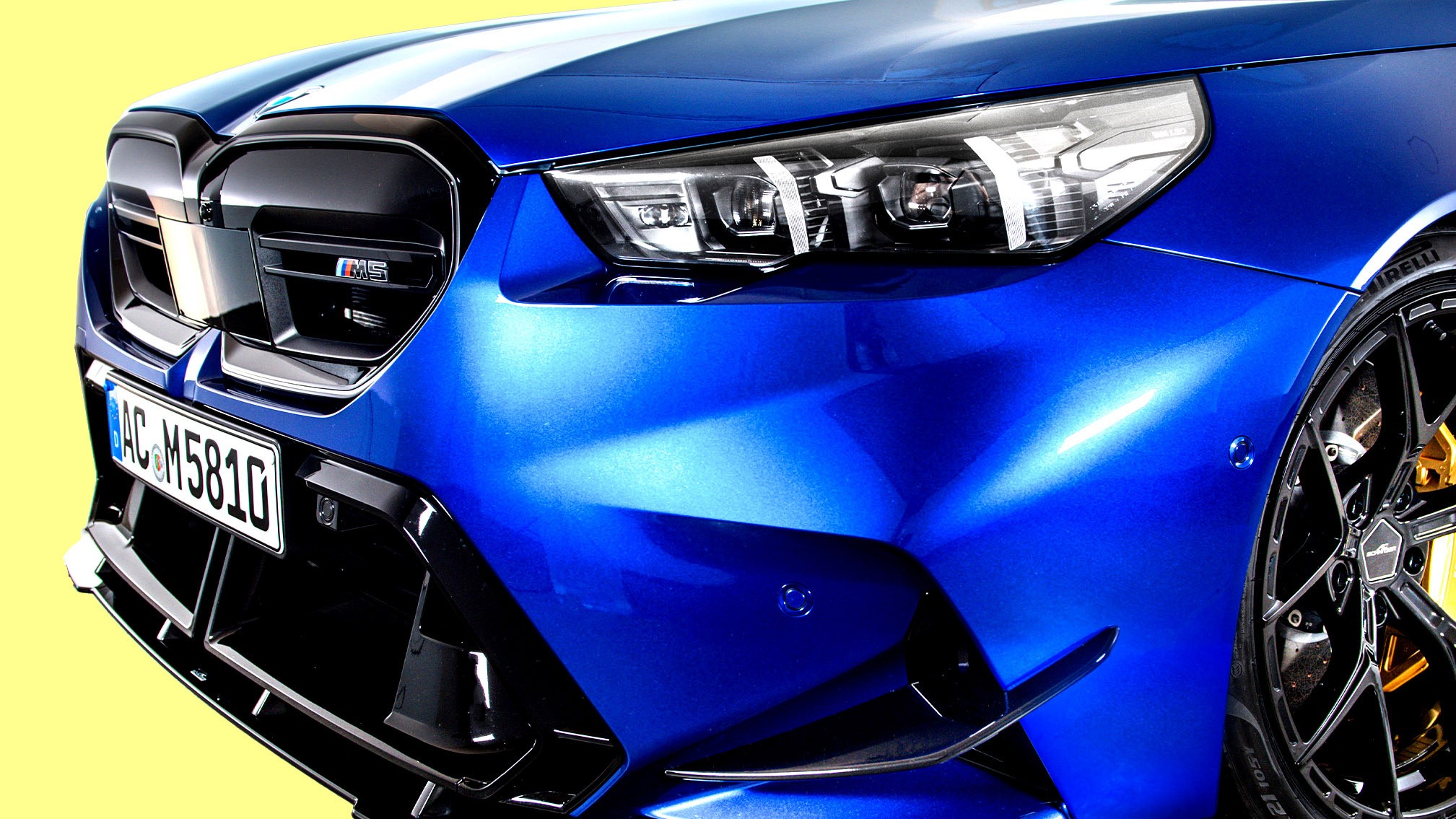
AC Schnitzer, a legendary name in BMW performance tuning since the late 1980s, will shut down its tuning operations by the end of 2026. The decision, made by parent company KOHL Group, reflects the growing financial pressures facing independent German tuning businesses. This marks the end of an era for a brand deeply intertwined with BMW’s racing and aftermarket legacy.
The Perfect Storm: Why Tuning Is Failing
Several factors have converged to make independent tuning operations unsustainable. Rising development costs, coupled with unpredictable supply chains and global trade barriers, create an unfavorable economic landscape. Perhaps more critically, Germany’s notoriously slow regulatory approval system puts tuners at a significant disadvantage.
As AC Schnitzer’s managing director, Rainer Vogel, explains, “If we bring aftermarket parts to market eight or nine months after the competition, that speaks for itself.” This delay effectively prices them out of a fast-moving market. The situation highlights the broader challenges faced by German engineering firms navigating bureaucratic hurdles.
A Changing Tuning Landscape
The decline of AC Schnitzer reflects a broader shift in automotive culture. Traditional tuning, focused on engine modification and raw performance, is losing ground as the industry transitions towards electrification. While AC Schnitzer has adapted by offering upgrades for electric models like the i5, these modifications lack the visceral appeal of traditional engine tuning.
The company also acknowledges difficulty attracting younger enthusiasts, suggesting a disconnect between its brand identity and evolving consumer preferences. The core appeal of AC Schnitzer—increasing horsepower, exhaust notes, and mechanical drama—is diminishing in a world increasingly focused on efficiency and electric mobility.
What’s Next?
Despite the shutdown, AC Schnitzer will continue selling its existing product line through 2026, and warranties will remain valid afterward. There is also speculation about a potential acquisition, which could preserve the brand name in some capacity.
Founded in 1987 by Willi Kohl and Herbert Schnitzer, AC Schnitzer achieved significant recognition through racing (including a presence in the DTM with the E30 M3) and strategic partnerships with BMW dealers. Unlike Alpina, which was absorbed by BMW, AC Schnitzer is unlikely to receive similar in-house protection.
The closure of AC Schnitzer represents the end of an era for a tuner that, at times, felt like an extension of the BMW family itself. The company also branched into tuning Minis, motorcycles, and even the Toyota Supra (based on Z4 mechanicals), demonstrating its broad technical capabilities.
The shutdown is a stark reminder that even iconic brands can struggle in the face of shifting industry dynamics. The future of independent automotive tuning is uncertain, as electrification and regulatory pressures reshape the aftermarket landscape.