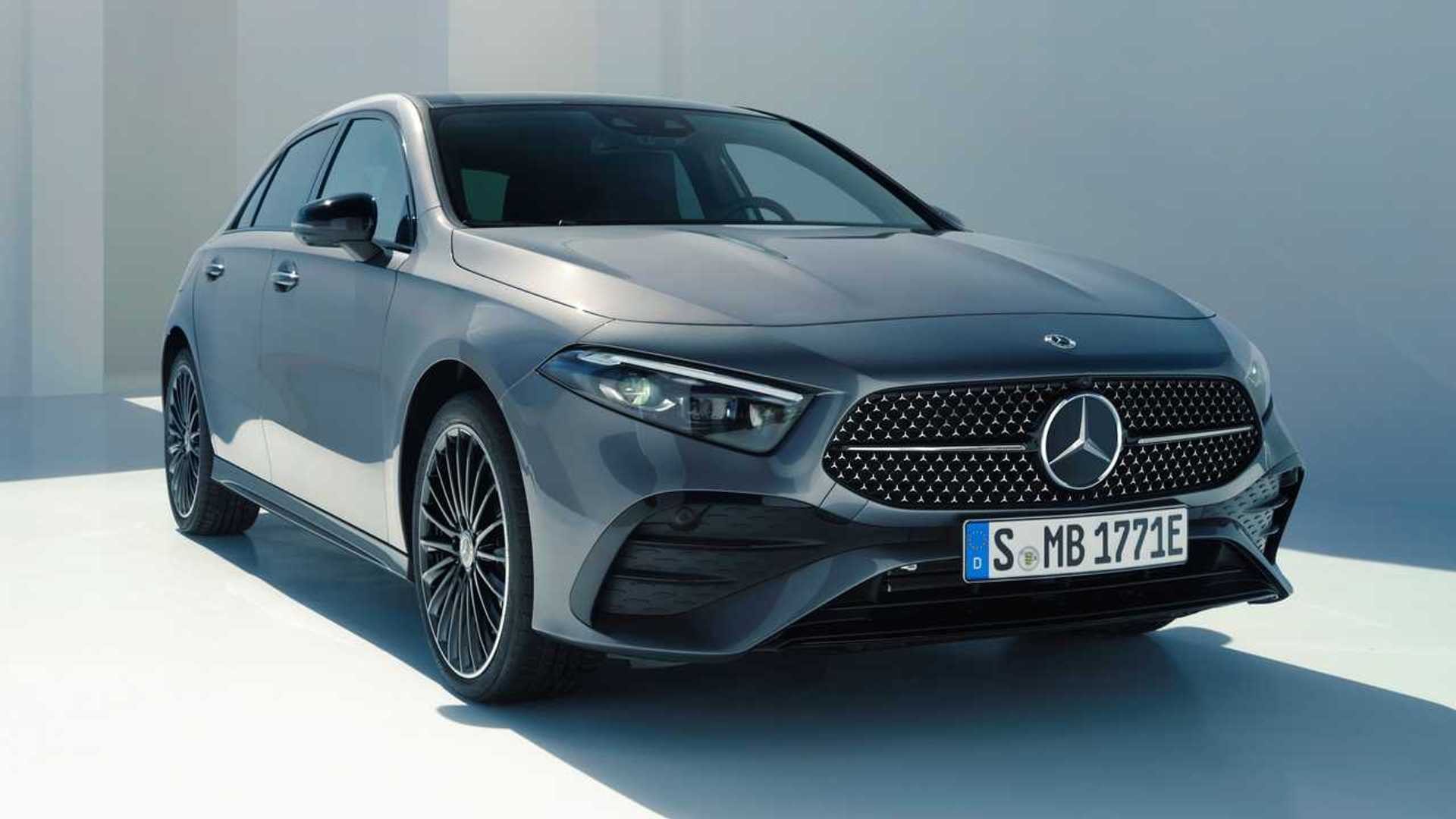
Mercedes-Benz is reversing course on plans to discontinue its entry-level A-Class, extending production through 2028. This move comes with a significant shift: manufacturing will relocate from the Rastatt plant in Germany to the Kecskemét facility in Hungary. The decision reflects a broader strategy adjustment, balancing profitability with volume in the compact car segment.
Capacity Realignment and Future Models
The primary driver behind the change is freeing up capacity at the Rastatt plant for the next-generation CLA and GLA models. Starting in 2027, Rastatt will also produce the new GLA, offering both internal combustion engine (ICE) and electric drivetrain options. This consolidation follows Mercedes’ decision to merge its ICE and EV lineups, streamlining production across fewer platforms.
Notably, the B-Class minivan will not receive a direct successor. Instead, Mercedes is prioritizing other compact offerings, including a forthcoming “Little G” model – a smaller, more accessible version of the iconic G-Class, available in both ICE and EV configurations. The Little G is expected to debut by 2027.
The A-Class Successor: A New Entry Point
While the current A-Class will remain in production until 2028, Mercedes is developing a new entry-level model positioned below the CLA. The form factor remains uncertain: it could be a hatchback, a sedan revival, or even a stripped-down GLA variant. Given the continued popularity of hatchbacks in Europe, that body style is the most likely outcome.
Whether this successor will be sold in the United States – where the A-Class was discontinued after 2022 – remains to be seen. The company has not yet confirmed US market availability.
Why This Matters: Balancing Luxury and Volume
Mercedes’ initial plan to eliminate the A-Class signaled a shift towards higher-margin, larger vehicles. Extending the A-Class’s lifecycle and developing a successor suggests a renewed focus on volume sales. This is a strategic move to remain competitive in the mainstream market, even if it slightly compromises the brand’s exclusive image.
“The decision to prolong the A-Class’ life cycle and move production makes sense. Mercedes’ entry-level vehicle may carry slim profit margins, but it still generates enough volume to justify the extended shelf life.”
Hungary offers lower labor and operating costs, making it a more economically viable manufacturing location. Rivals Audi and BMW already operate facilities in the country, further reinforcing this trend. The move underscores the growing importance of cost-efficiency in automotive production, even for luxury brands.
In conclusion, Mercedes is adapting to changing market demands by retaining a key volume driver while optimizing production costs and preparing for a new generation of compact vehicles. This balance between profitability and accessibility will be crucial for the brand’s continued success.