


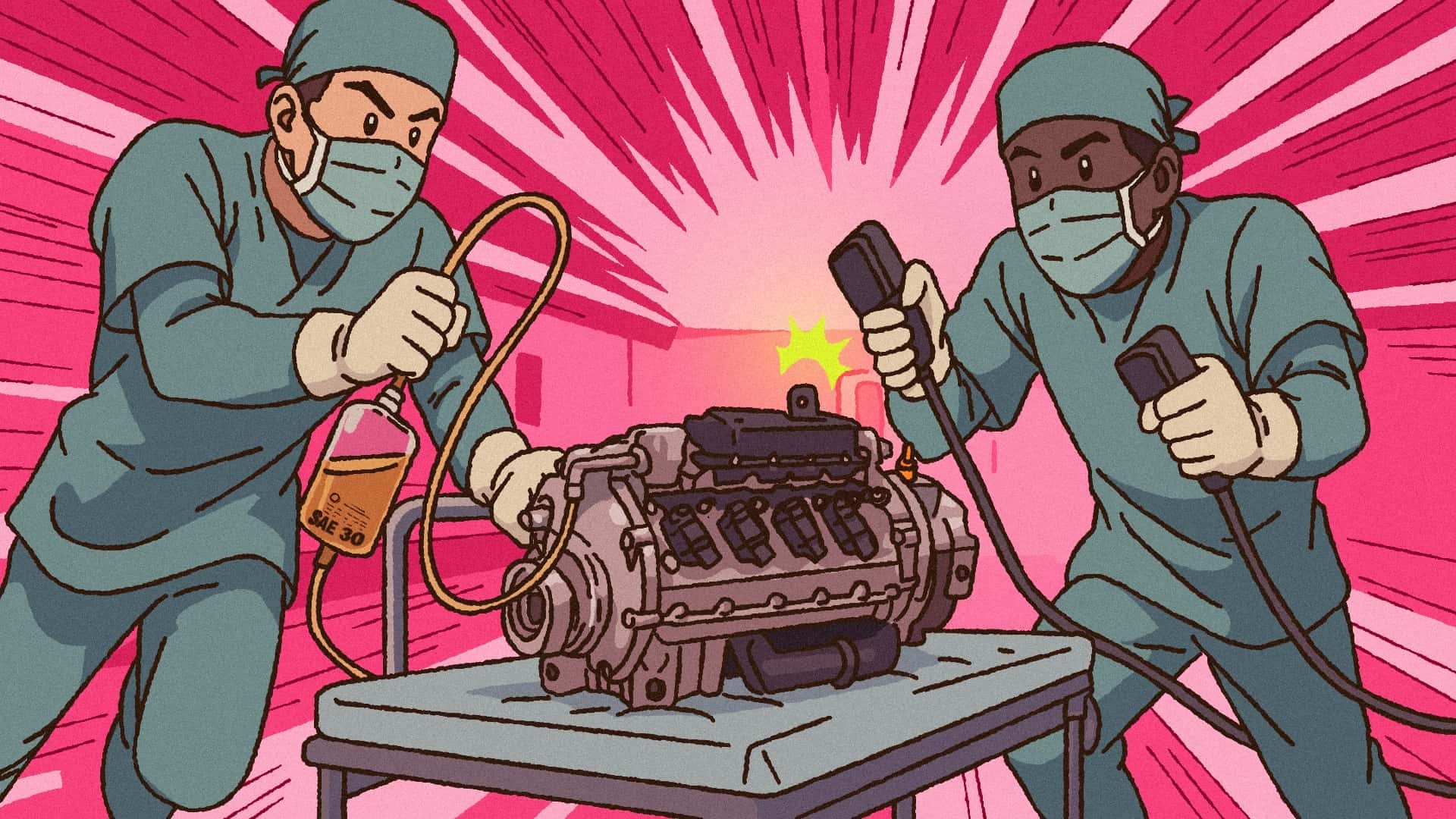
The narrative of the internal combustion engine’s imminent death has proven premature. Despite aggressive electrification targets from automakers and governments alike, gas-powered vehicles are not only surviving but are seeing a surprising resurgence in investment and development. This shift isn’t a rejection of electric vehicles (EVs) entirely, but rather a pragmatic adjustment to market realities, political pressures, and lingering consumer preferences.
The Slowdown in the EV Transition
For years, the automotive industry charted a course toward all-electric dominance. Major manufacturers announced ambitious phase-out dates for combustion engines, while governments worldwide set goals for rapid EV adoption. However, recent data reveals a slowdown. EV sales growth has stalled in key markets like the US, partly due to the removal of consumer incentives, while broader economic factors and infrastructure limitations continue to present hurdles. Globally, EVs are still projected to reach 25% market share by year-end—over 20 million vehicles—but this pace is slower than initially predicted.
The reality is that many consumers remain hesitant to fully embrace EVs due to factors like range anxiety, charging infrastructure availability, and upfront costs. This hesitation has given automakers breathing room to reassess their strategies.
Major Investments in Combustion Technology
Instead of abandoning gas engines, major players are doubling down. General Motors recently invested $888 million in its Tonawanda plant in New York—the largest single investment in gas engine production in its history—just five years after heavily promoting its all-electric Ultium platform. Chrysler is committing $13 billion to American facilities, with a substantial portion allocated to combustion engine development. These moves aren’t anomalies; BMW, Mercedes-Benz, Nissan, Honda, Toyota, and even Chinese manufacturers are actively pursuing new combustion technologies.
This isn’t simply about clinging to legacy technology; it’s about hedging bets and responding to demand. Automakers are recognizing that combustion engines will remain relevant for years, particularly in segments where EVs struggle to compete (like trucks and performance vehicles).
Innovative Approaches to Keep Combustion Alive
Companies are not just maintaining existing engines; they’re pushing boundaries. Horse Powertrain, a UK-based supplier, unveiled its compact C15 engine, designed to run on various fuels, including gasoline, ethanol, methanol, and synthetics. Mazda, meanwhile, is exploring radical concepts like “Mobile Carbon Capture,” using microalgae to capture emissions and convert them into carbon-neutral fuel. While highly experimental, these efforts demonstrate a commitment to extending the life of combustion technology.
The Role of Politics
Government policy has significantly influenced this shift. In the US, the Trump administration rolled back EV mandates and eliminated tax credits, signaling a clear preference for internal combustion. The European Union also backtracked on its 2035 combustion engine ban, reducing emissions targets to allow for continued production of hybrid, plug-in hybrid, and extended-range EVs.
These political reversals underscore the fragility of electrification timelines and the power of industry lobbying. Automakers are capitalizing on this uncertainty, securing themselves a longer runway for gas-powered vehicles.
The combustion engine isn’t dying; it’s adapting. While electrification remains the long-term trend, changing consumer demand and shifting political landscapes have bought gas engines more time. Automakers are strategically exploiting this window, ensuring that fuel-burning powertrains will remain a fixture in the automotive landscape for the foreseeable future.


