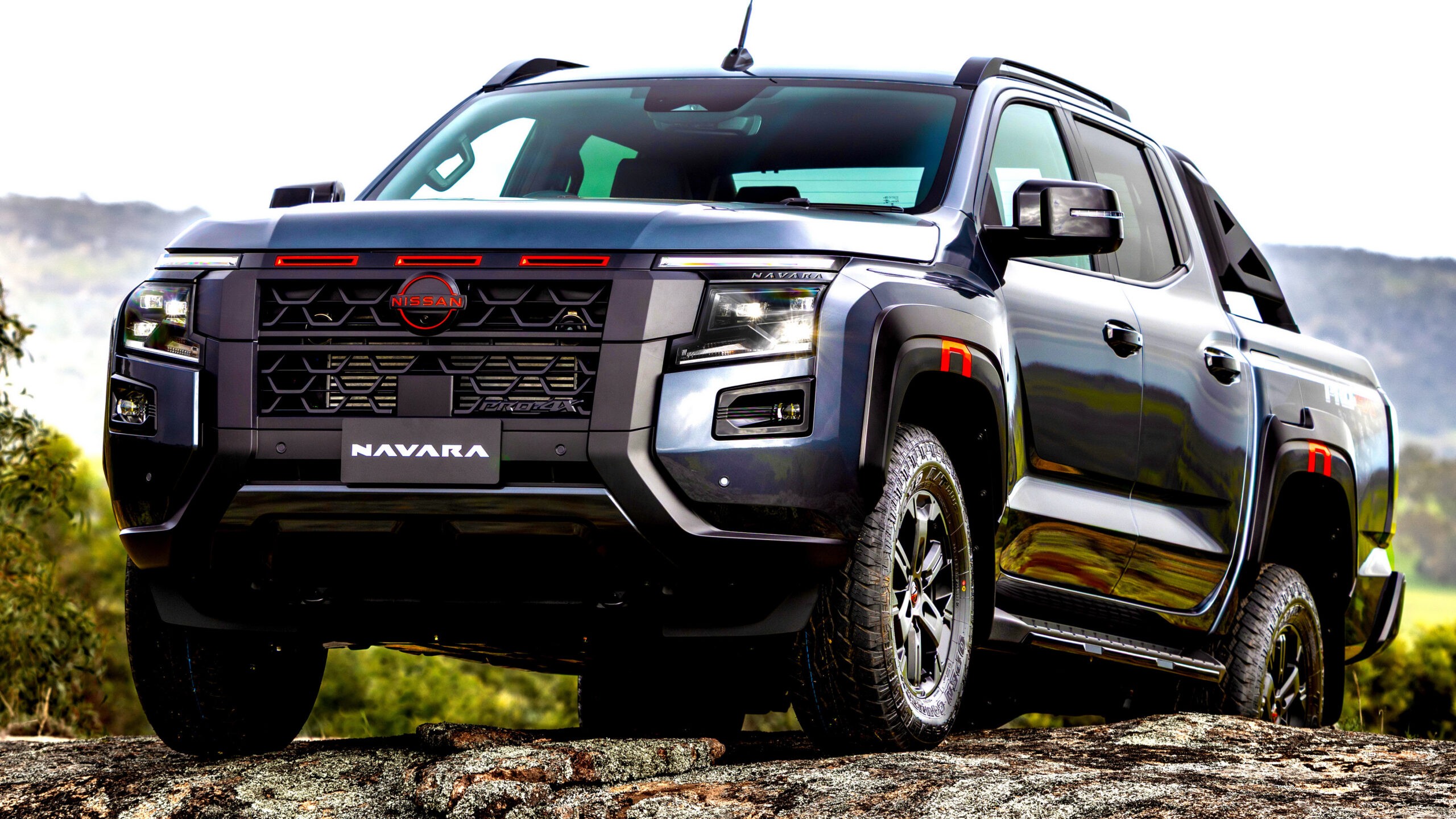
Nissan’s latest Navara pickup, designed for Australian roads, undergoes an unusual factory-to-dealer process. Every single new vehicle has its original shock absorbers removed and discarded before it reaches customers. This seemingly wasteful practice is the result of a unique collaboration with Melbourne-based engineering firm Premcar, who develops suspension specifically tuned for Australian conditions.
The Collaboration with Premcar
The Navara is built alongside the Mitsubishi Triton in Thailand, but the Australian suspension setup is not fitted during production. Instead, vehicles arrive in Australia with standard Mitsubishi shocks, which are then removed by dealership technicians and replaced with locally developed alternatives. Nissan’s spokesperson states this aligns with their sustainability policies, as the discarded shocks are drained of oil and sent for metal recycling.
Why the Destruction?
The process raises questions about efficiency and waste. While the intention is to provide a superior driving experience tailored to Australian terrain, the cost implications are clear. The additional labor, development time, and disposal of perfectly functional components represent a significant investment.
The reason behind this is simple logistics. Once shocks are removed from a vehicle, they can no longer be sold as new, even if unused. This prevents dealerships from reselling the factory parts at a discount, a potential benefit for Triton owners who might otherwise seek affordable replacements.
Suspension Tuning and Market Position
Premcar has developed three distinct suspension tunes for the Navara:
- A standard setup for SL and ST grades
- A road-oriented tune for ST-X models
- An off-road focused tune for the Pro-4X flagship
Nissan and Premcar are also working on a rugged Pro-4X Warrior trim with enhanced suspension for extreme terrain. The Navara’s launch was delayed by a year to accommodate this extensive local engineering program, but Nissan executives maintain the extra time was essential to meet Australian buyer expectations.
The goal is to differentiate the Navara from its Triton sibling and compete directly with the locally developed Ford Ranger, which currently sets the standard in this segment.
The Broader Context
This practice highlights a broader trend in automotive manufacturing: localized tuning and customization. Automakers are increasingly adapting vehicles to meet regional preferences, even if it means unconventional processes. The Navara’s case raises questions about sustainability and resource management, but it also demonstrates a commitment to delivering a product tailored for a specific market.
The destruction of brand-new parts may seem counterintuitive, but the strategy underscores Nissan’s willingness to invest in quality and performance over pure cost-cutting measures. This approach ultimately aims to win over Australian buyers seeking a robust and capable pickup that stands out from the competition.