


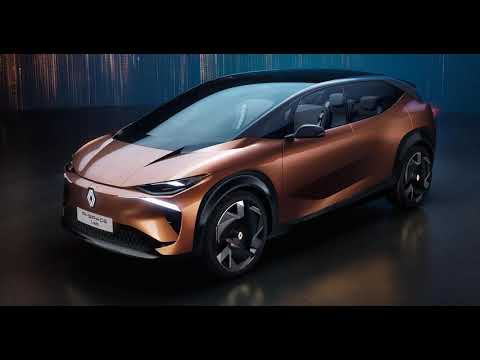
Renault is preparing to launch a new generation of electric vehicles (EVs) based on its forthcoming RGEV Medium 2.0 platform, with a surprising twist: some models will offer a gasoline range extender option. This strategic move aims to address consumer range anxiety and provide a practical transition for drivers not yet fully ready to commit to a pure-electric lifestyle.
The RGEV Medium 2.0 Architecture: Three Flavors of Electric
The RGEV Medium 2.0 platform is designed around an 800V electrical system, enabling fast DC charging. Renault plans three core configurations:
- All-Electric: Up to 750km (466 miles) WLTP range.
- All-Wheel Drive Electric: Increased towing capacity of up to 2.0 tonnes (4,400 lbs).
- Extended-Range EV (EREV): Combining a gasoline engine as a generator with a large battery, achieving a total range of up to 1400km (870 miles).
The EREV setup differs from traditional plug-in hybrids. The gasoline engine does not directly drive the wheels; it solely recharges the battery, offering a longer electric range and potentially simplifying drivetrain mechanics.
Beyond Range: Space and Design
Renault’s R-Space Lab concept showcases how the new platform will maximize interior space. The concept car features:
- A minimalist, airy cabin with ultra-thin pillars and an expansive panoramic roof.
- A full-width display integrated into the base of the windshield.
- Rear seats designed for maximum flexibility, including folding seat bases to increase cargo capacity.
- Rear doors that open to a full 90 degrees for easy access.
The R-Space Lab concept is not necessarily a preview of a production model, but Renault has used similar concepts in the past to inform future designs.
European Focus, Geely Partnership
The RGEV Medium 2.0 architecture will primarily underpin vehicles for the European market. Outside of Europe, Renault will leverage platforms from its partner, Geely, as evidenced by the Koleos and Filante SUVs already in production.
The first production car built on the new RGEV platform is expected to debut in 2028, though Renault has not yet revealed which model will be first. This approach demonstrates Renault’s commitment to offering a diverse EV lineup tailored to different markets and consumer needs.
Conclusion: Renault is betting that flexibility will be key to EV adoption. By offering both pure-electric and range-extended options, the company aims to appeal to a wider audience and accelerate the transition to electric mobility. The RGEV Medium 2.0 platform positions Renault as a serious contender in the evolving EV landscape.


