


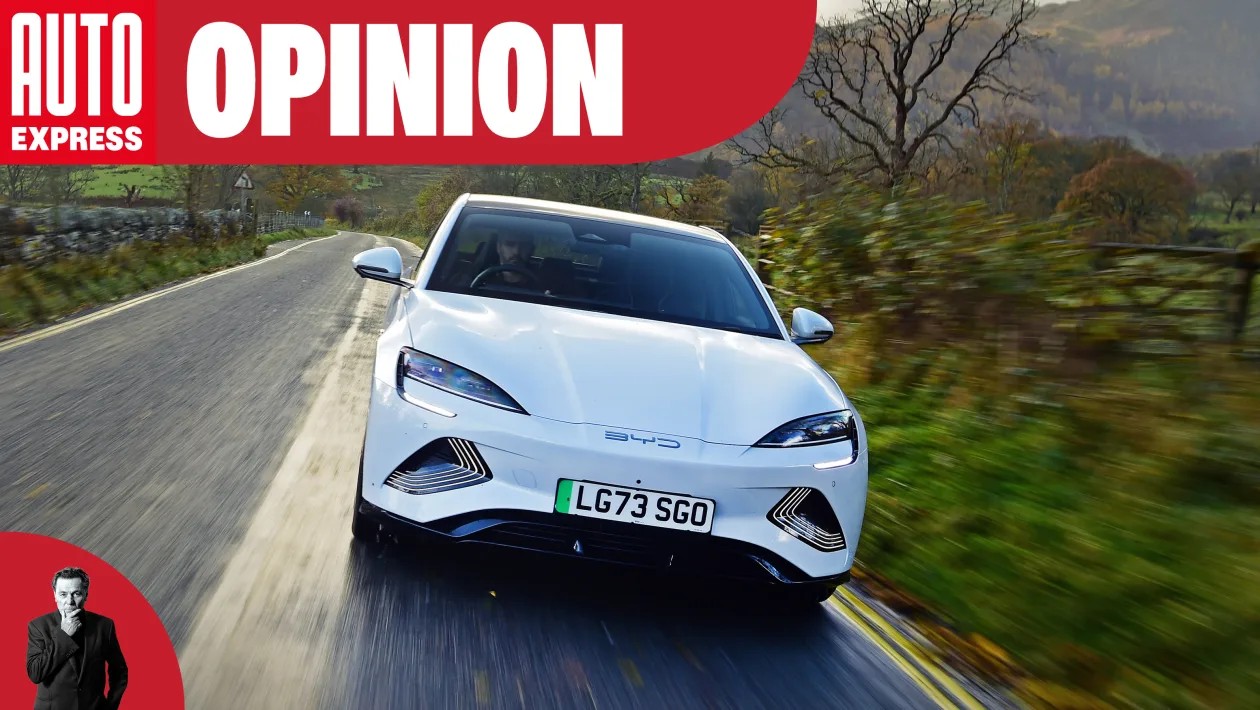
The ambitious push to eliminate gasoline and diesel cars by 2035 in Europe, and even earlier in the UK (by 2030), is facing significant headwinds. Recent political shifts, notably the European Union’s reversal of its 2035 ban, signal a growing recognition that a full transition to electric vehicles (EVs) is not feasible for all drivers in the near term.
The core issue isn’t technological capability, but practical realities. Pure EVs remain inaccessible or unsuitable for a large segment of the population. This is particularly true for those living in apartments or densely populated areas without private charging infrastructure. Public charging stations, while available, often come with unexpectedly high and opaque pricing, undermining the cost-savings promise of EVs. Even energy providers are adjusting off-peak charging rates, further eroding the financial incentive.
Hybrid vehicles, particularly plug-in hybrids, currently offer the most viable compromise. They bridge the gap between traditional combustion engines and full electrification, providing flexibility and affordability. Many drivers, especially those who value simplicity or oppose government mandates, will continue to prefer traditional internal combustion engine (ICE) cars.
The UK’s insistence on maintaining its 2030 ban, while the EU delays until at least 2040, creates a peculiar situation. British consumers may increasingly turn to dealerships in mainland Europe to purchase ICE vehicles, circumventing domestic restrictions.
The political landscape is shifting, recognizing that forcing a transition before infrastructure and affordability align will only frustrate consumers and create unintended loopholes.
The EU’s decision to postpone the ban confirms what many have long suspected: a complete, immediate switch to EVs is unrealistic. This doesn’t mean EVs will disappear, but rather that the pace of adoption must be aligned with consumer needs and practical constraints. The market, not policy, will ultimately dictate the speed of change.


