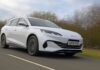
The Polestar 3 is an intriguing electric vehicle that blends sharp looks, strong performance, and generous equipment. However, it’s also plagued by a frustratingly flawed key system and over-engineered digital features that undermine what would otherwise be a highly competitive luxury SUV.
The Key Problem: A Digital Headache
Polestar has ditched traditional keys in favor of a credit card-style fob with proximity unlocking. The fob requires charging on the car’s wireless mat, and failure to do so leaves the driver locked out. This isn’t a theoretical issue; the author experienced it firsthand at Heathrow Airport, resorting to a cumbersome tap-and-wait method to regain access. While software updates have partially addressed the instability, the unreliable system remains a significant pain point.
The company has added a backup through Apple Wallet, which allows phone-based unlocking. This adds convenience but introduces new concerns: the car now unlocks whenever the driver’s phone is nearby, forcing constant double-checking to ensure it’s locked.
A Mixed Bag of Tech: Progress or Overreach?
Beyond the key, the Polestar 3 is laden with digital features that some consider unnecessary and poorly executed. One industry insider described such additions as “nerd’s ideas of progress” that don’t address real user needs. Basic functions like glovebox access or window controls require digging through menus, a far cry from physical buttons.
Despite these usability issues, the Polestar 3 offers a compelling driving experience. Its spacious interior, sharp handling, and potent Performance Pack (510bhp) make it stand out in a crowded market. The car’s 107kWh battery delivers a quoted 348-mile range, but real-world efficiency is closer to 250 miles—a noticeable shortfall.
First Impressions: Intrigue and Frustration
Early testers have found the Polestar 3 to be a uniquely capable grand tourer. The driving position is excellent, the ride is comfortable even on large 22-inch wheels, and the charging speed is fast enough for long journeys. However, the car’s size (identical in height to a Volvo XC60 but wider) presents challenges on narrow roads, and the high rear window line limits visibility.
A Unique Product, Imperfectly Executed
The Polestar 3 isn’t easily categorized. It’s a jacked-up estate with futuristic styling that defies conventional SUV norms. While the car’s design is clever, the execution of its digital systems is frustrating. The Polestar 3’s strengths are undeniable: it’s a fast, comfortable, and well-equipped EV that feels distinct from the competition. But until the tech issues are resolved, the Polestar 3 will remain a brilliant vehicle held back by its own ambition.
The Polestar 3’s early success—evidenced by a large turnout at the brand’s UK festival—suggests that many buyers are willing to overlook these quirks. However, for those who prioritize simplicity and reliability, the Polestar 3’s digital complexities may be too much to bear.