Porsche and Audi, two historically competitive brands within the Volkswagen Group, are accelerating their collaboration to navigate declining demand, rising costs, and strategic setbacks. The move signifies a shift towards greater efficiency and resource sharing, crucial for both companies’ financial health and long-term viability.
The Need for Synergy
Both Porsche and Audi face growing headwinds. Porsche recently scaled back ambitious EV targets, as sales in key markets like China have slumped. Meanwhile, Audi is also under pressure to improve profitability amid broader industry challenges like tariffs and evolving consumer preferences.
Industry veteran Michael Leiters, Porsche’s new CEO, has made clear the importance of this partnership: “Audi is a key partner for us… we want to leverage shared potential even more.” This sentiment signals a willingness to overcome past frictions in pursuit of shared goals.
Shared Platforms: A Cost-Saving Strategy
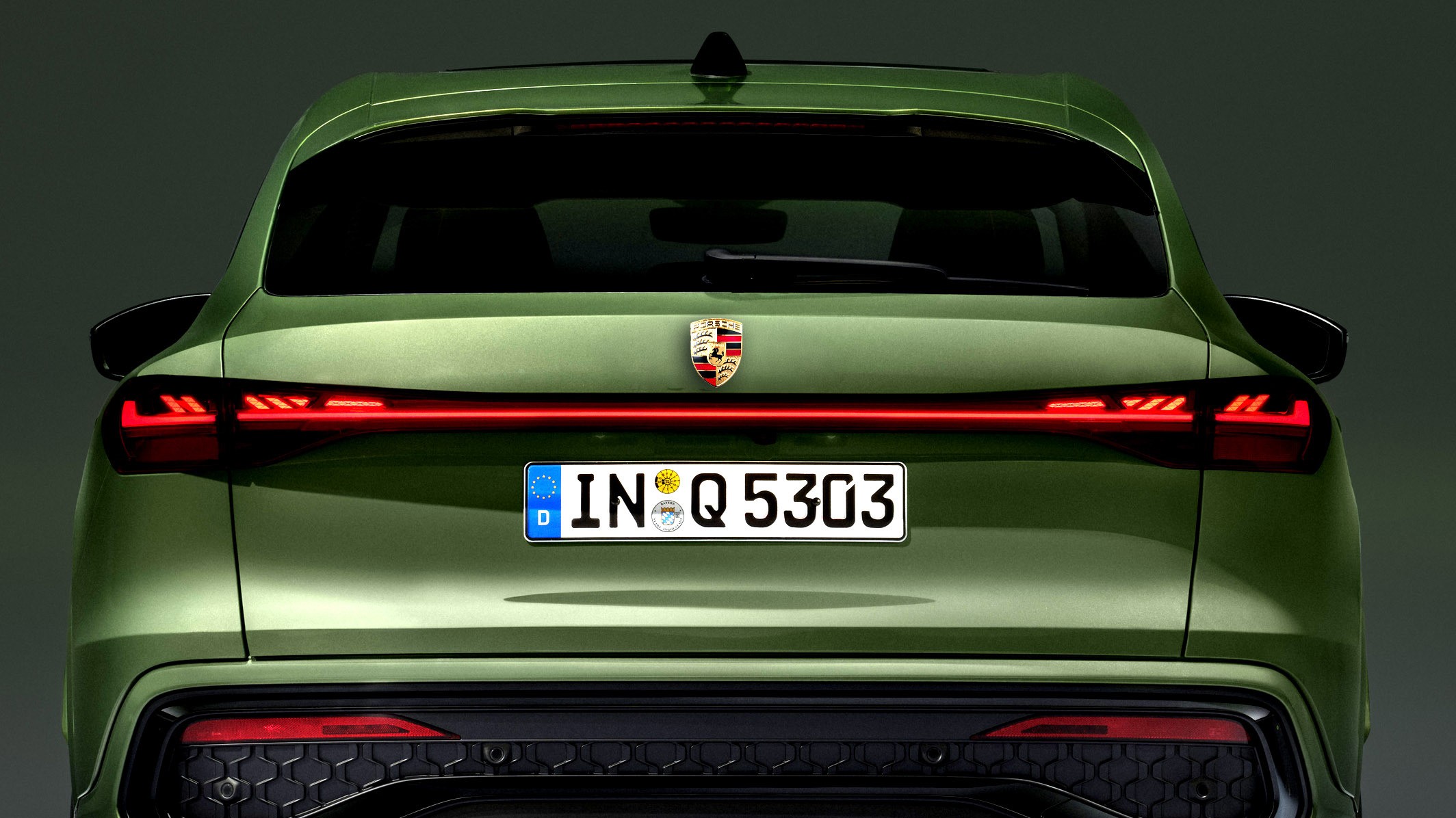
The core of this collaboration involves expanding the use of shared vehicle platforms. The next-generation Porsche Macan will utilize Audi’s Premium Platform Combustion (PPC), the same architecture underpinning the Audi Q5.
Further, Porsche is developing a new SUV positioned above the Cayenne (known internally as the K1), which will be derived from the upcoming Audi Q9. This demonstrates a clear intention to reduce development costs and streamline production processes.
Electrification and Future Models
The partnership extends into electric vehicle development. While Porsche has revised its all-EV plan for the 718 Boxster and Cayman, these models will still provide the platform for the next-generation Audi TT. The new TT will be exclusively electric, featuring a unique mid-engine battery configuration for enhanced driving dynamics.
Overcoming Past Conflicts
This deepened collaboration comes after years of internal rivalry. The Premium Platform Electric (PPE), used in models like the Porsche Macan Electric and Audi A6 e-tron, was plagued by disputes over development leadership, requiring intervention from VW Group CEO Oliver Blume. Neither Porsche nor Audi can afford such conflicts now, as market conditions demand unified action.
This strategic realignment is not simply about cost-cutting; it’s about survival in an increasingly competitive automotive landscape. By sharing resources and expertise, Porsche and Audi aim to stabilize their finances and accelerate innovation in a turbulent market.