Ford Motor Company reported a 9.2% decrease in overall sales for the first quarter of 2026, a trend mirroring challenges faced by many automakers. While certain models demonstrated strong performance, particularly at both the entry-level and high-end segments, the broader decline highlights shifting consumer behavior and external pressures within the automotive industry.
Diverging Trends: Entry-Level Strength, EV Weakness
A notable contradiction emerged in Ford’s sales data: while high-end models like the Mustang, Explorer, and Expedition saw increases, electric vehicle (EV) sales plummeted. Mustang Mach-E sales fell by 60.4% with only 4,600 units sold, and the F-150 Lightning experienced an even steeper drop of 71.3%. This suggests a cooling demand for EVs, potentially due to price sensitivity or concerns over range and infrastructure.
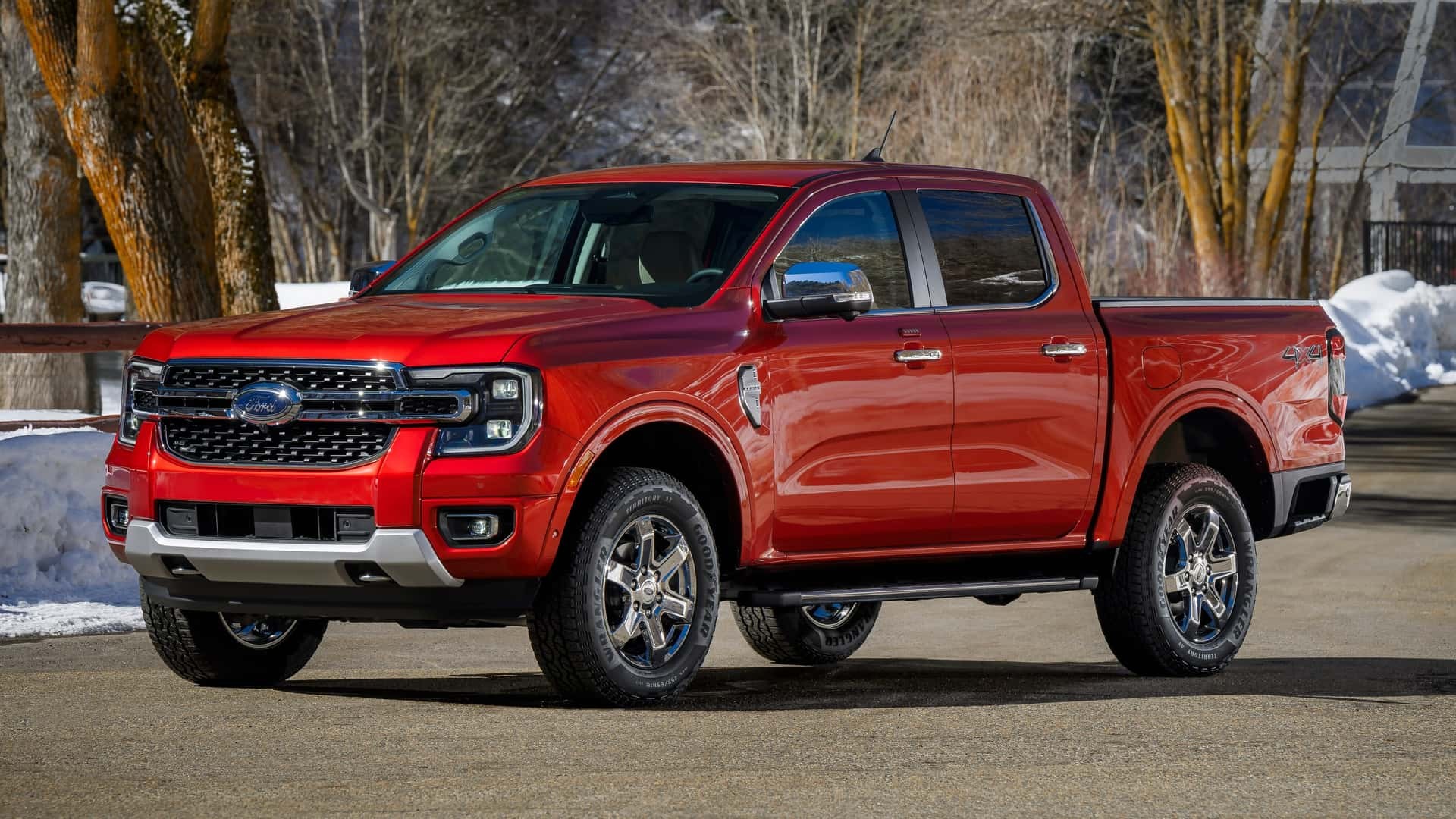
Conversely, entry-level trims—Ranger XL, Bronco Sport, and Maverick—showed resilience. The Ranger XL saw a 45.5% sales increase, while the Bronco Sport rose by 10.3%. Combined, these trims grew by 8.4%. This suggests that in a period of economic uncertainty, many buyers are prioritizing affordability over premium features.
Mustang Rebounds, F-Series Remains Dominant
The Mustang experienced a dramatic turnaround, with sales up 50.1% after struggling in late 2025. Ford sold 14,074 Mustangs this quarter, surpassing the Mach-E crossover in popularity. Despite a 16.0% decline, the F-Series remains America’s best-selling pickup, outselling competitors like the Chevrolet Silverado and Ram 1500, though production disruptions from a supplier fire last year contributed to the slowdown.
Industry Context: Tariffs and Economic Pressures
Ford’s sales decline is not isolated. The broader automotive industry faces headwinds from tariffs, geopolitical instability, and fluctuating economic conditions. The surge in entry-level trim sales reflects a growing trend toward value-driven purchases as consumers become more cautious about spending.
This shift raises questions about the long-term viability of high-priced EVs if infrastructure and affordability don’t improve. The Mustang’s rebound suggests that iconic brands with strong customer loyalty can weather economic storms, but overall, the industry is adapting to a more price-sensitive market.
The data underscores a complex picture: while Ford maintains a strong position in key segments, the overall decline signals the need for strategic adjustments in product offerings and pricing to navigate current market challenges.