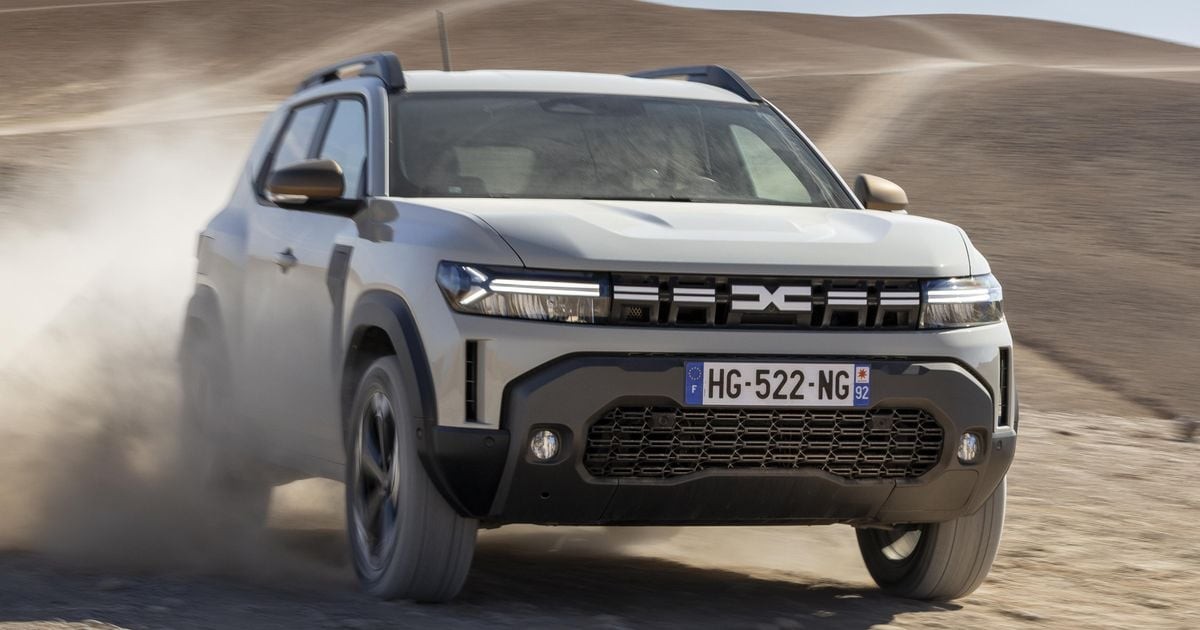
Renault has brought the Duster to Australia, rebadged from its Dacia origins in Europe. This compact SUV offers a blend of affordability and capability, now with a mild-hybrid all-wheel-drive (AWD) option. While the current Australian models come with a 1.3-liter petrol engine and front-wheel drive, or a 1.2-liter mild-hybrid with manual transmission only, a more desirable automatic AWD powertrain exists overseas. This review focuses on the Dacia-branded version tested in Morocco, as the Australian availability of the automatic AWD remains unconfirmed.
What’s Under the Hood?
The new Duster powertrain combines a 1.2-liter three-cylinder petrol engine with 48-volt mild-hybrid technology. This setup produces up to 103kW of power, assisted by a belt-starter generator for smoother start-stop functionality and energy recovery. The tested bi-fuel model (unlikely for Australia) allowed switching between petrol and LPG on the fly. The drivetrain features a six-speed dual-clutch automatic for the front wheels, complemented by a 48-volt electric motor driving the rear axle. This system provides up to 23kW and 87Nm of torque, engaging and disengaging as needed for optimal traction.
Interior & Features
The interior is largely unchanged from the European Dacia version, except for the Renault badging. The cabin emphasizes durability over luxury, featuring hard plastics with textured finishes. Despite this, technology is present: a 7.0-inch digital instrument display and a 10.1-inch touchscreen infotainment system with wireless Apple CarPlay and Android Auto. The Duster also includes physical climate controls, USB-C ports, a wireless phone charger (depending on trim), and proprietary “YouClip” accessory mounting points. Rear passengers have limited legroom, but there are additional USB ports and ventilation. Boot space is 400 liters, though it may be reduced in bi-fuel models due to the LPG tank.
On the Road
The mild-hybrid system works effectively, utilizing the electric motor whenever possible, especially in urban environments. The powertrain transitions seamlessly between petrol and electric power, providing a decent balance of efficiency and performance. The suspension is well-tuned for everyday driving, remaining composed even at higher speeds. The six-speed automatic shifts smoothly, though the three-cylinder engine can sound strained under heavy load.
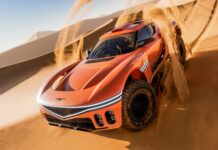
Off-road, the Duster performs surprisingly well. The Extreme specification tested featured an increased approach angle (31 degrees) and 217mm of ground clearance. The AWD system automatically engages when needed, providing ample traction on rough terrain. Hill Descent Control is also included, maintaining speed from 3km/h to 30km/h.
Safety & Running Costs
The Renault Duster has not yet been ANCAP-rated, but Euro NCAP gave the Dacia Duster a three-star rating due to the absence of advanced safety systems. Standard features include autonomous emergency braking, cruise control, front and rear parking sensors, and a reversing camera. The car comes with a five-year, unlimited-kilometer warranty, and servicing intervals are 12 months or 30,000km.
Pricing & Availability
The Duster starts at $31,990 for the 1.3-liter 4×2 model, with the 1.2-liter 4×4 priced from $36,490. The availability and pricing of the automatic AWD version in Australia remain unconfirmed, but a slight price increase is expected due to the updated powertrain.
The Renault Duster offers a compelling mix of ruggedness, affordability, and technology. While the Australian market awaits the AWD automatic variant, the current models provide a capable and well-equipped option for those seeking a no-nonsense SUV.