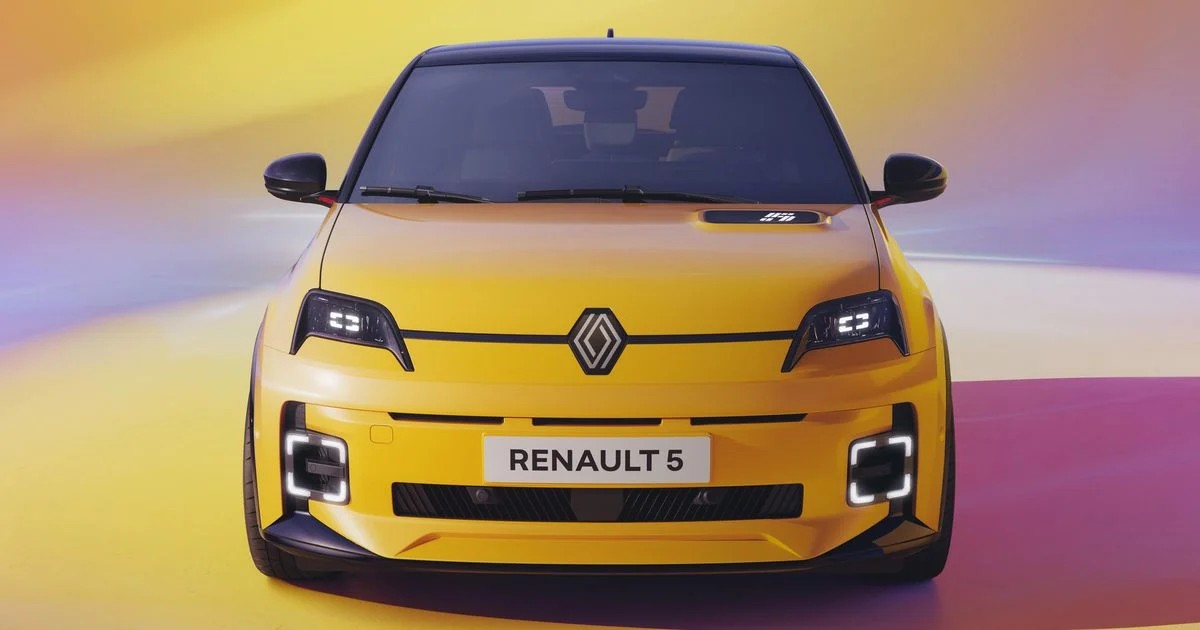
Renault’s popular European electric vehicles (EVs), including the highly-rated Renault 5 E-Tech, are currently unable to be sold in Australia due to stringent local safety regulations. The issue centers on Australian Design Rule (ADR) 34/03, which mandates a top-tether anchorage point for child restraints in every rear seat position.
The Problem: Child Restraint Anchorages
The Renault 5, along with the Renault 4 E-Tech, does not meet this requirement as standard. Glen Sealey, Renault Australia’s general manager, confirmed the problem lies specifically with the rear bench child restraint anchorage. This isn’t an isolated case; other manufacturers, including Deepal, BYD, and Honda, have faced similar hurdles with ADR 34/03 in recent years. Some brands have recalled vehicles or even altered models (like Honda’s HR-V, which launched as a four-seater) to comply. Tesla briefly paused Model 3 sales to fix a similar issue.
Compliance Costs: A Multi-Million Euro Barrier
Renault estimates that bringing the Renault 5 into compliance would cost approximately €3 million (A$4.9 million). This includes extensive testing and engineering to ensure the anchorage meets Australian standards, which require it to withstand double the force of a standard tether point. Sealey stated that while technically solvable, the cost is prohibitive for Renault at this time.
Market Dynamics: Low EV Adoption Rates
Renault’s reluctance is further influenced by Australia’s relatively small EV market. Electric vehicles accounted for just 8.3% of total sales in 2025 (up from 7.4% in 2024), with Renault holding a modest 0.37% market share. The company believes there isn’t sufficient demand to justify the high compliance costs for additional EV models, especially given the existing lineup of Megane, Kangoo, and Scenic E-Tech vehicles.
The Exception: The Renault 5 Turbo 3E
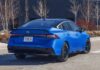
The high-performance Renault 5 Turbo 3E sidesteps the issue entirely as it lacks rear seats. This model is available for direct order from the factory in Europe, but at a price exceeding $300,000.
Government Review: A Potential Future Solution
The Australian Government launched a review in late 2024 to harmonize ADRs with international standards and streamline the homologation process. However, the findings have yet to be released despite public feedback closing in January 2025. Other automakers, including Mitsubishi and Nissan, have criticized Australian regulations for diverging from global norms, hindering vehicle launches.
Conclusion
For now, the Renault 5 E-Tech remains unavailable in Australia due to a costly compliance hurdle. The situation highlights the challenges faced by manufacturers navigating unique Australian safety standards and underscores the importance of market conditions in determining the viability of new EV models. The future may bring regulatory changes, but until then, Australian consumers will miss out on one of Europe’s best-selling electric hatchbacks.