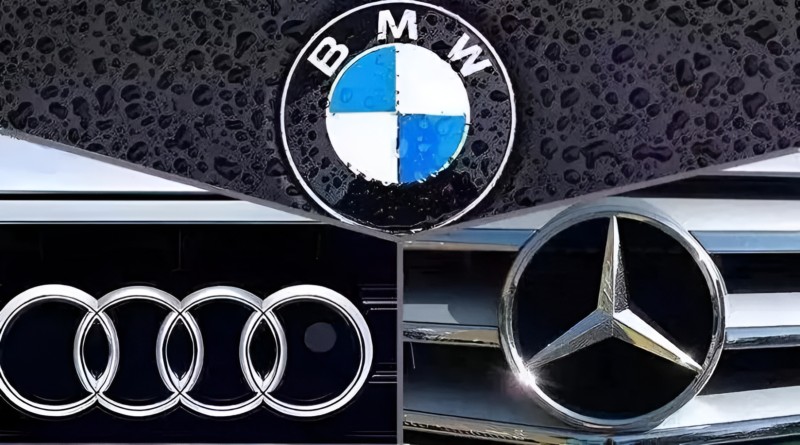
European luxury automakers—BMW, Mercedes-Benz, and Audi—are slashing prices in China to counter slowing sales and increasing competition from domestic electric vehicle (EV) brands. The moves, announced in early 2026, reflect a major shift in the world’s largest auto market.
Sales Decline Forces Action
Data from 2025 shows a significant drop in sales for all three brands. BMW deliveries fell by 12.5%, Mercedes-Benz by 19%, and Audi by 5% compared to the previous year. This represents a combined loss of roughly 260,000 vehicles sold in China. The Chinese market historically accounts for a substantial portion of the German brands’ profits, making this downturn particularly significant.
This isn’t simply about lower sales numbers. It’s a fundamental realignment: foreign luxury brands are being forced to compete on price in a way they haven’t before.
Price Cuts Across the Board
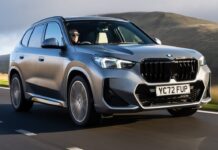
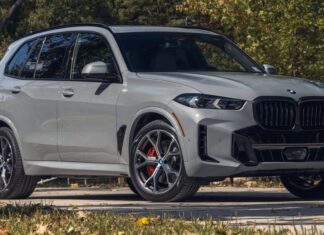
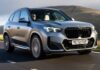
BMW took the most aggressive step, revising prices on over 30 models with cuts exceeding 10% on many vehicles. The BMW iX1 eDrive25L, for example, saw its price drop from 299,900 yuan ($43,460 USD) to 228,000 yuan ($33,000 USD) – a reduction of over 23%. Mercedes-Benz followed suit in February 2026, adjusting prices on key models like the C-Class and GLC by roughly $4,740 to $9,770 USD.
Automotive analysts interpret these cuts as a strategic pivot toward value accessibility rather than a full-blown “price war.” Dealers are also benefiting from the adjustments, which are framed as support for local competitiveness.
Why This Matters: The Rise of Domestic EVs
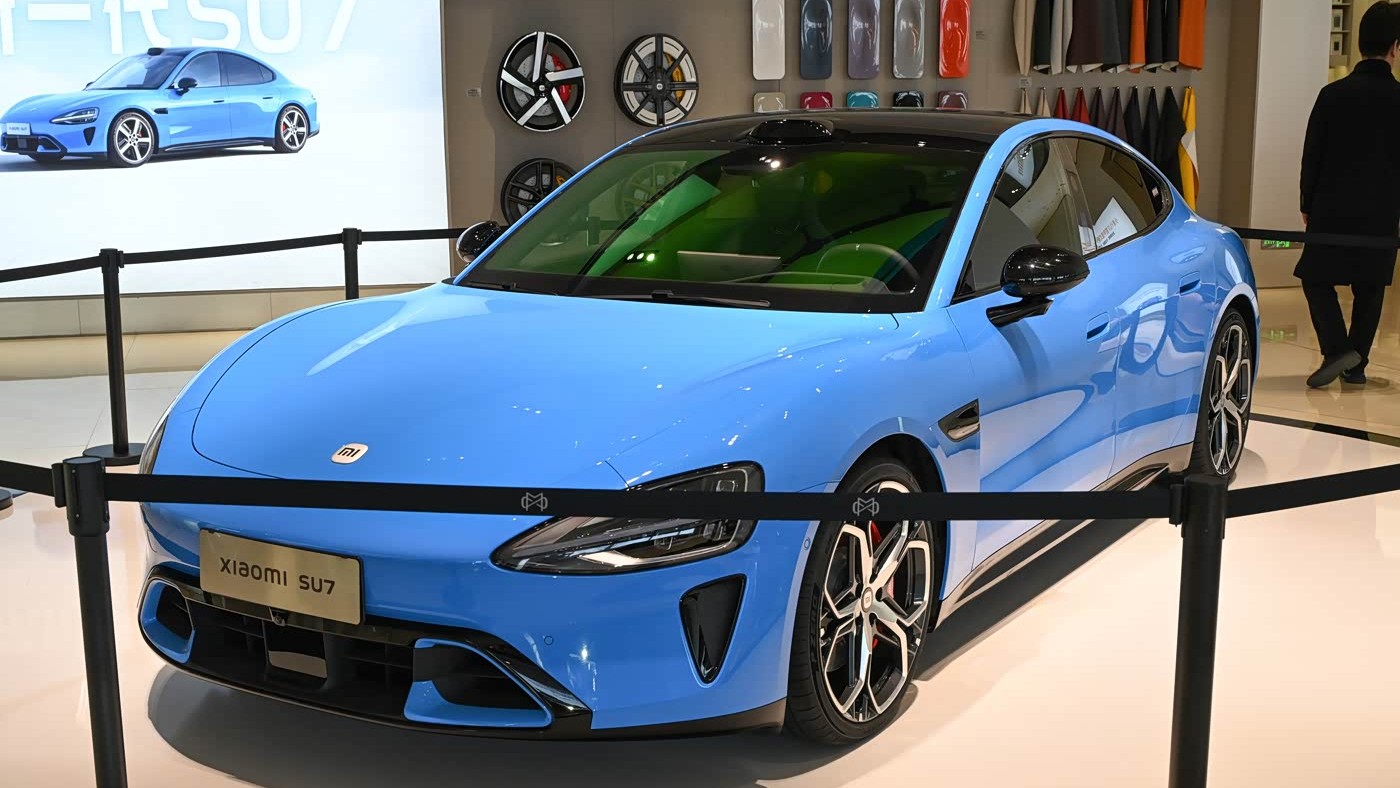
These price adjustments aren’t happening in a vacuum. The Chinese auto market is undergoing rapid change. Accelerated adoption of New Energy Vehicles (NEVs) combined with the rise of domestic premium EV brands is putting pressure on legacy European automakers. Chinese competitors are quickly gaining market share by offering advanced connectivity and EV capabilities that European brands have been slower to adopt.
The shift reflects a broader trend: Chinese consumers increasingly prioritize technology and value over traditional brand prestige.
Looking Ahead
The German brands now face a critical test. Success depends on balancing localized pricing, electrification, and integrating digital technologies. Regulatory guidance suggests that the Chinese government wants to stabilize the industry and moderate extreme discounting, but the brands will still need to adapt to survive.
The outcome in China will heavily influence their global performance and market share in the years to come. The luxury car market is evolving, and these price cuts signal a new era of competition.