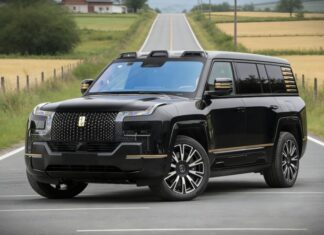
While Scout Motors maintains that its production timeline remains on track, industry forecasting data suggests a potential delay that could push the highly anticipated Terra pickup as far back as 2030.
The discrepancy between the automaker’s official stance and industry intelligence highlights a broader, more complex challenge currently facing the electric vehicle (EV) sector: the rapid shift in consumer demand from pure electric models to extended-range alternatives.
The Discrepancy: Official Timelines vs. Industry Forecasts
Scout Motors has publicly stated that production is slated to begin in 2027, with customer deliveries expected in 2028. However, recent data from AutoForecast Solutions (AFS) —a leading authority used by global automakers and investors—paints a different picture:
- Scout Traveler (SUV): AFS predicts production will start in September 2028, a six-month slip from the original March 2028 estimate.
- Scout Terra (Pickup): AFS predicts a much more significant delay, with production not beginning until March 2030.
While Scout has not officially confirmed these dates, the precision of the AFS report—which draws from supplier plans and manufacturing data—suggests these shifts may be more than mere speculation.
Why the Delay? The Pivot to “Harvester” Technology
The root of the potential delay appears to be a strategic pivot in powertrain technology. Early in its development, Scout focused heavily on fully electric models. However, market trends have shifted.
Recent data shows that over 80% of potential Scout buyers prefer the “Harvester” option—an extended-range electric version that uses a gasoline engine as a generator to alleviate range anxiety—rather than a pure battery-electric vehicle (BEV).
“Engineering an engine into an electric vehicle is not simple,” notes Sam Fiorani, VP of global vehicle forecasting at AFS. “Making sure the company can produce extended-range versions first… is the priority now.”
This pivot requires substantial reengineering. Integrating a combustion engine into a platform originally designed for pure electricity adds layers of complexity to the manufacturing process, likely contributing to the extended timelines predicted by analysts.
A Changing Landscape for EV Startups
The situation facing Scout illustrates the “moving target” nature of the current automotive market. Unlike traditional automakers with decades of experience, new entrants must navigate three massive hurdles simultaneously:
1. Developing an entirely new vehicle platform.
2. Constructing a “greenfield” (new) manufacturing plant.
3. Building a brand-new distribution network.
Fiorani points out that while many EV startups have failed due to poor planning and undercapitalization, Scout has a distinct advantage: the backing and expertise of Volkswagen. This connection allows Scout to anticipate industry pitfalls that often sink smaller, independent startups.
However, even with corporate backing, Scout is racing against a market that is no longer as predictably enthusiastic about pure EVs as it was two years ago. The slow sales of electric trucks from established giants like Ford and GM have forced many manufacturers to reconsider their electrification strategies.
Looking Ahead
The tension between Scout’s optimistic public messaging and the industry’s cautious forecasts creates a “wait and see” period for enthusiasts. It is possible for both versions of the truth to coexist; for instance, if production begins slightly later in 2028, Scout could still meet its goal of delivering vehicles to customers that same year.
Ultimately, Scout’s ability to successfully bridge the gap between pure electric and extended-range technology will determine if it can capture the much larger segment of the market that remains wary of a purely electric future.
Conclusion: Scout Motors is navigating a delicate balancing act, attempting to pivot its technology to meet shifting consumer preferences for extended-range vehicles while managing the immense logistical challenge of launching a new brand from scratch.