



Nissan is quietly outperforming many competitors in vehicle reliability, with a significantly lower recall rate in 2025. While sales are up 5.3% in Q3, the company’s internal quality control stands out as a key driver of this success. This isn’t accidental. It’s the result of an unusual degree of vertical integration in its US manufacturing operations.
The Recall Landscape: Nissan Stands Apart
The automotive industry faces constant quality issues, resulting in frequent recalls. General Motors has issued 36 recalls this year, Chrysler 46, and Ford a staggering 138. In contrast, Nissan (including Infiniti) has had just nine. This dramatic difference isn’t simply luck. It’s a deliberate strategy.
Vertical Integration: From Raw Steel to Finished Engines
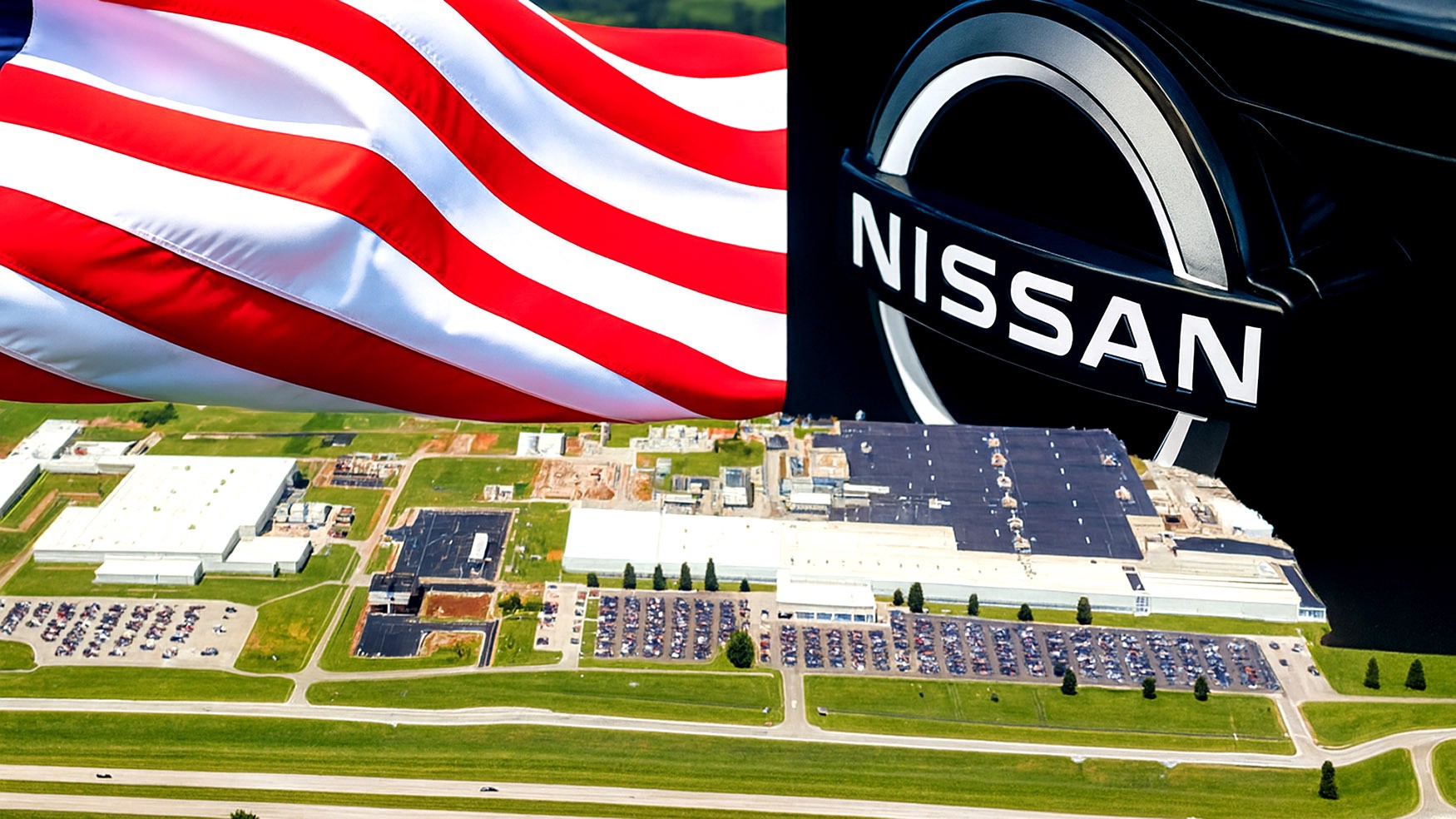
Nissan’s plant in Decherd, Tennessee, operates like a self-contained engine workshop. Unlike many automakers that rely heavily on outside suppliers, Nissan builds engines entirely in-house, starting with raw materials. Steel sheets enter the facility, and fully functional engine components exit. This level of control eliminates many of the quality issues stemming from external suppliers.
The key benefit is precision: outsourcing requires compromise, but Nissan’s method allows them to enforce tolerances as guarantees.
Lab-Grade Quality Control
Inside the Tennessee plant, quality isn’t just checked; it’s engineered. Parts are inspected down to the micron level (70 times smaller than a human hair). The measurement lab itself is built on a vibration-dampening foundation to ensure readings aren’t skewed.
This precision isn’t just about catching errors; it’s about preventing them.
Nissan also subjects engines to brutal testing. Technicians intentionally push engines to failure with low oil, overheating, and continuous high RPMs. The goal is to identify weak points before they reach consumers.
X-Raying Production: A Million-Dollar Investment in Quality
Nissan goes even further, using a $1.2 million Nikon VOXLS 40 c 450 machine to X-ray and CT-scan parts directly off the assembly line. This allows engineers to find potential flaws before vehicles are shipped.
Recalls and Reality: What Nissan’s Issues Reveal
Even with this stringent control, recalls still happen. Nissan’s largest recall this year affected over 440,000 vehicles due to a potential engine bearing issue. However, the company reports that fewer than 2% of those vehicles actually have the defect.
This suggests the extreme quality control is working: even when issues arise, they are often caught early or prove less severe than initially feared.
Ultimately, Nissan’s strategy of total production control appears to be paying off. By eliminating external dependencies and implementing lab-level precision, the company is building vehicles with fewer defects and fewer recalls. This isn’t just about saving money; it’s about building a reputation for reliability in a competitive market.