


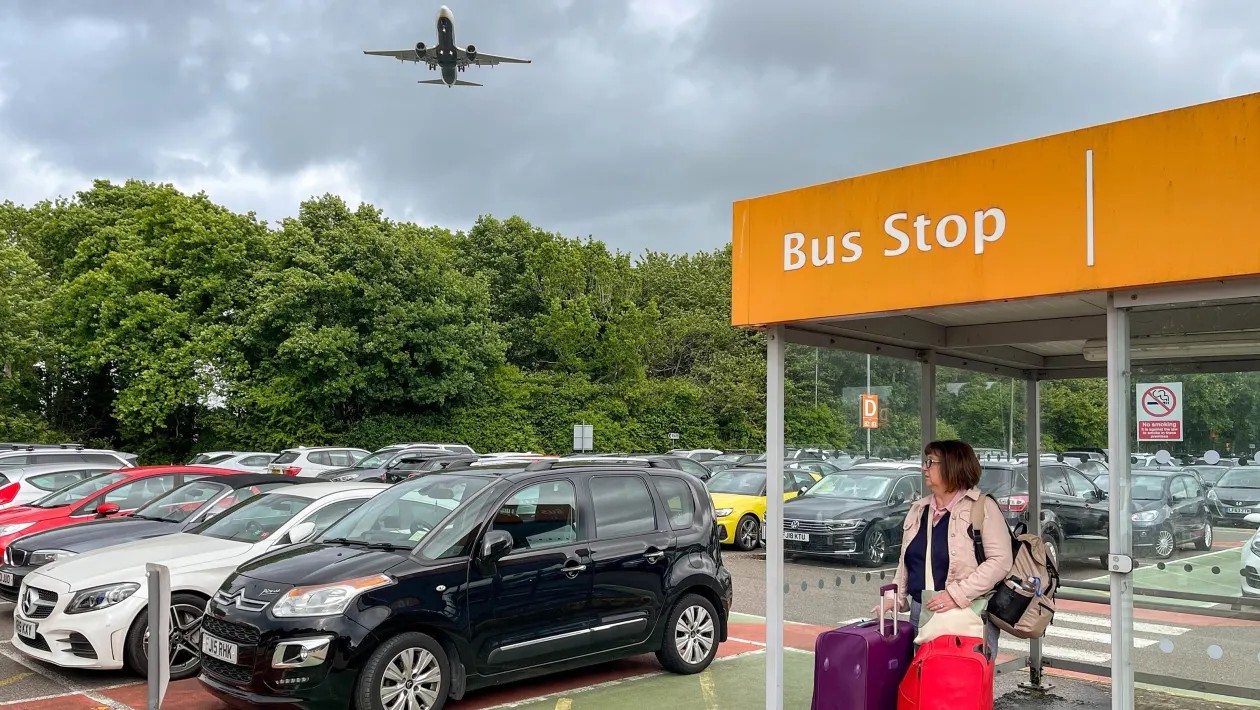
Stansted Airport has implemented a new £28 fee for drivers dropping off passengers for stays exceeding 15 minutes, sparking criticism over its justification of “sustainability.” The move follows similar price hikes at other major UK airports, including Heathrow and Gatwick, indicating a broader trend toward increased revenue generation from passenger access.
Why the Price Hike?
Airport management claims the fees are designed to discourage short car trips (“kiss and fly” journeys) that contribute to congestion and carbon emissions. The logic is that four car journeys per flight—two for drop-off and pickup—are less sustainable than public transport options. The airport also cites capacity constraints as a factor, stating that regulating vehicle flow near the terminal helps manage congestion.
Breakdown of New Charges
- Up to 15 minutes: £10 (a £3 increase)
- 15–30 minutes: £28
- Over 30 minutes: £100 Parking Charge Notice (reduced to £60 if paid within 14 days)
- Blue Badge holders: Exempt
Context and Trends
The surge in airport drop-off fees is part of a wider pattern. Heathrow recently increased its charges from £6 to £7, while Gatwick raised its fees to £10. Airports attribute these increases to factors such as rising business rates (as cited by Gatwick) and a broader push for more efficient traffic management. The timing suggests a coordinated effort to maximize revenue from passenger transportation, despite sustainability claims.
Impact and Alternatives
Stansted notes that over 50% of its passengers already arrive via bus, coach, or train, suggesting the fee primarily affects those who prefer or require car access. The increased costs may push more travelers toward public transport, but the high fees also raise concerns about accessibility and affordability for families and individuals with limited alternatives.
This latest price hike at Stansted is a clear signal that UK airports are prioritizing revenue generation while using sustainability as a convenient justification. The rising cost of airport access is likely to continue unless regulatory pressure forces a more balanced approach.


