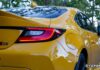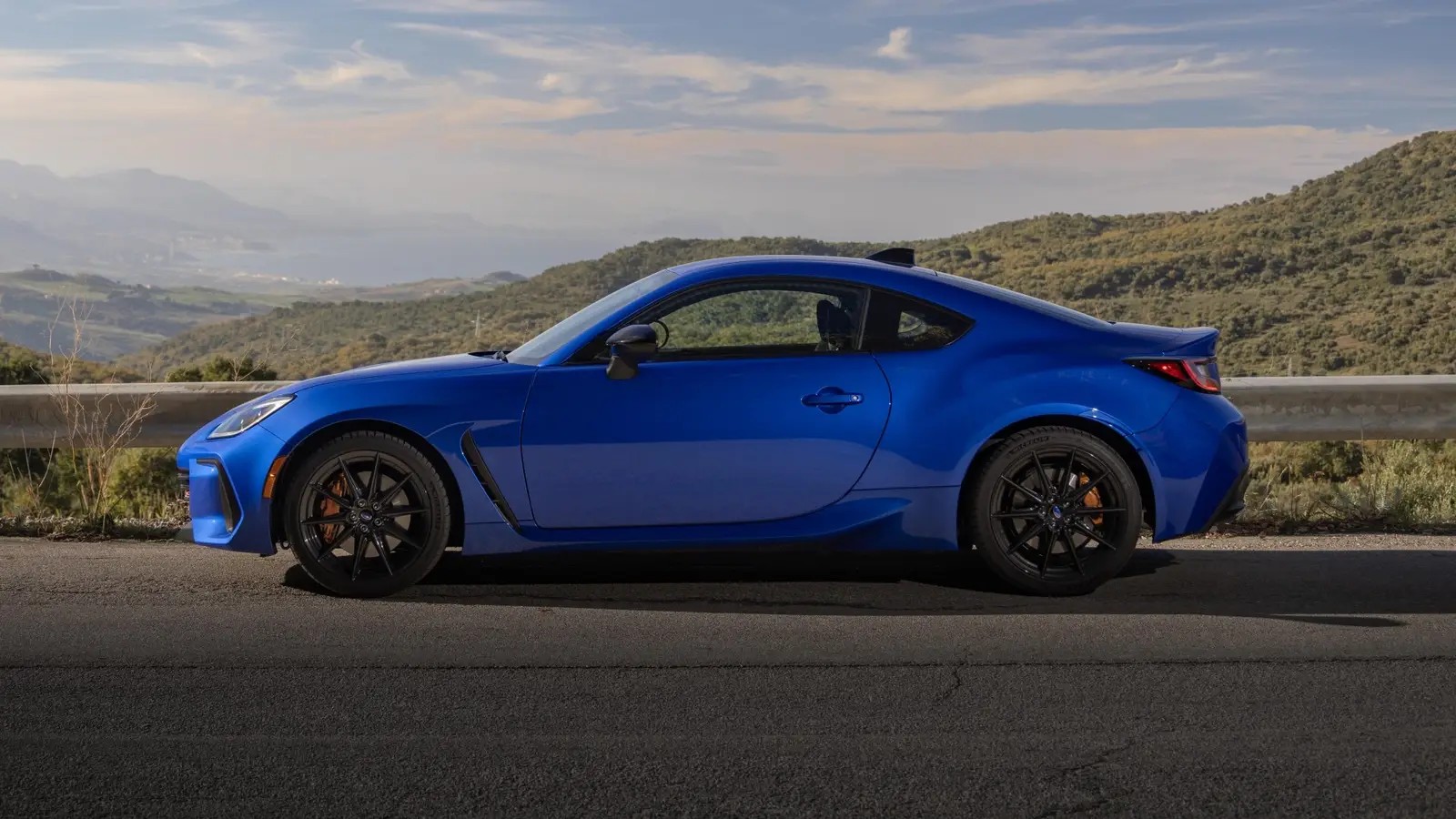
The modern sports car market is flooded with high-horsepower machines, but for those seeking to learn how to drive, rather than just go fast, the Subaru BRZ offers a uniquely effective path. It’s not about raw speed; it’s about mastering control, understanding vehicle dynamics, and developing a natural feel for driving that transcends simple acceleration. The BRZ isn’t a supercar in disguise — it’s a focused, affordable tool that forces drivers to rely on technique instead of brute force.
Why “Slow” Can Be Faster (at Learning)
Many aspiring drivers jump into powerful cars before their skills are ready. The BRZ, with its 228 horsepower 2.4-liter boxer engine, avoids that trap. It’s not underpowered, but it demands engagement. This isn’t a car that will mask mistakes; it will highlight them. This is the key difference: a driver learns more quickly when the car doesn’t compensate for poor technique.
The Core Philosophy: Balance and Feedback
The BRZ’s front-engine, rear-wheel-drive layout is fundamental to its effectiveness. This configuration provides natural weight balance (near 50:50) that encourages predictable handling. The crisp throttle response, direct steering, and a slick six-speed manual transmission (highly recommended over the automatic) further enhance the driver’s connection to the vehicle. The absence of intrusive electronic aids—even traction control can be fully disabled—ensures an unfiltered experience.
This lack of assistance isn’t a flaw; it’s a feature. It forces drivers to read the road, anticipate grip limits, and react precisely. The rear-wheel-drive setup, combined with the car’s relatively low weight, allows for controlled oversteer—a valuable skill to learn in a safe, predictable environment. The BRZ doesn’t overwhelm; it teaches.
How it Trains Driving Skills
The BRZ isn’t just a car; it’s a curriculum on wheels:
- Car Control: The low center of gravity and balanced weight distribution make weight transfer intuitive. Drivers feel the car shifting under them, learning how to manage momentum.
- Precision: The engine’s responsiveness and direct steering demand clean inputs. Sloppy driving is punished with understeer or oversteer, reinforcing the need for smooth movements.
- Oversteer Management: Unlike some cars that suppress slides, the BRZ lets the rear end loose in a controlled manner, allowing drivers to practice recovery techniques.
- Momentum Mastery: Without overwhelming power, drivers learn to carry speed through corners by braking late, hitting apexes, and maximizing exit velocity.
Underpinnings Designed for Connection
The BRZ’s chassis is bespoke, with reinforced subframes and a wheelbase of 101.4 inches. The suspension—MacPherson struts up front and a double wishbone setup in the rear—is tuned for responsiveness rather than comfort. While stability and traction control are present, they are calibrated to intervene late, preserving maximum driver input.
The quick-ratio electric power steering provides sharp feedback, and the brake override system is designed to prevent accidental disengagements. The interior, though simple, is driver-focused, with supportive bucket seats and tactile controls.
The tS Trim: A Sharper Lesson
For those seeking an even more focused experience, the tS trim adds STi-tuned suspension (Hitachi dampers) and Brembo brakes. This provides more grip and stopping power, raising the skill ceiling without compromising the core philosophy of the car. The tS also includes unique styling cues and a standard six-speed manual transmission.
The Bottom Line
The Subaru BRZ is an antidote to the modern trend of over-assisted, overpowered sports cars. It doesn’t offer instant gratification; it demands work. But in doing so, it delivers a far more valuable reward: the ability to drive with skill, confidence, and a true understanding of what makes a car move. This is a vehicle that makes drivers better, not just faster.