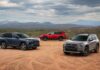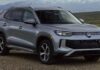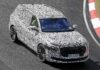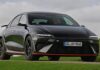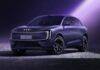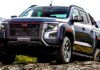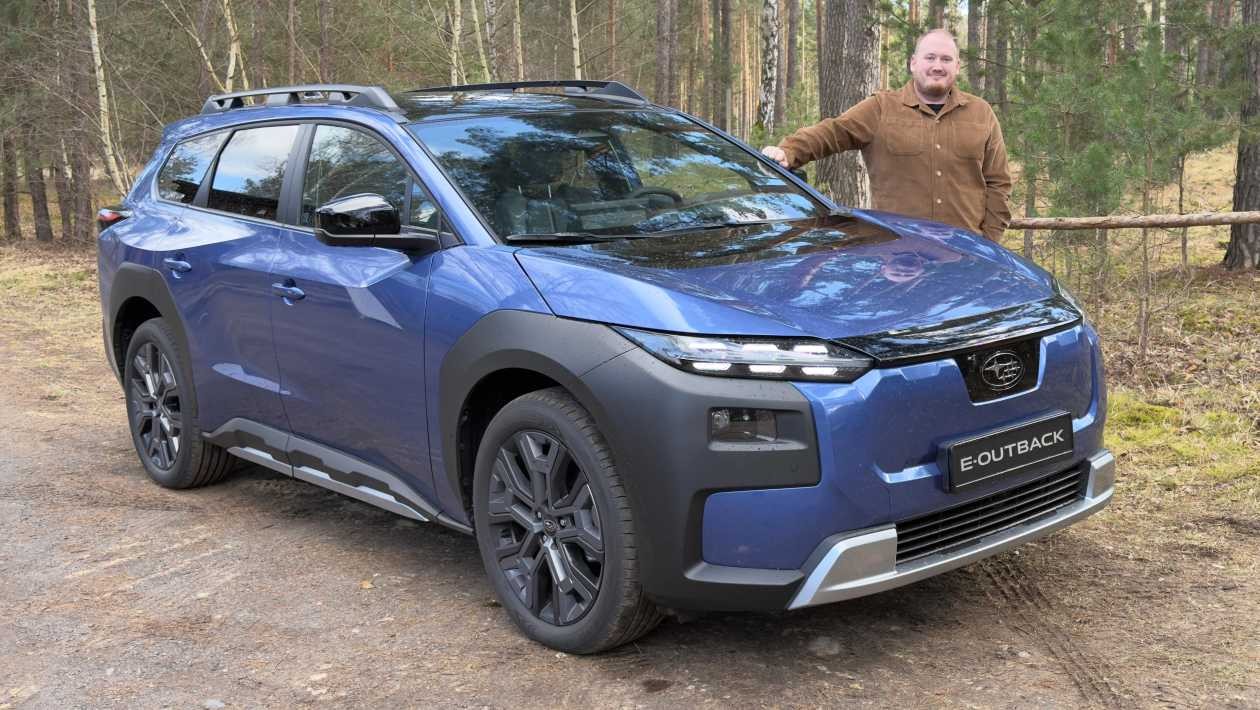
Subaru is reinventing its iconic Outback with the 2026 E-Outback, an all-electric SUV designed to retain the model’s off-road capability while addressing tightening emissions standards. This isn’t just a battery swap; it’s a ground-up redesign on Subaru’s dedicated EV platform, marking a significant shift for the brand.
A Necessary Upgrade for a Loyal Following
The gasoline-powered Outback has long been a favorite among those who need a dependable, go-anywhere vehicle. However, European markets, in particular, have made it difficult to sell due to high CO2 emissions and associated taxes. The E-Outback solves this problem, keeping the nameplate alive while meeting modern environmental demands. This transition is crucial, as the Outback has built a strong customer base that values practicality and durability.
Beyond Just Electric: Performance and Space
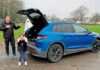
Unlike some half-hearted EV conversions, the E-Outback stands out with a substantial 375 horsepower, enabling a 0-62 mph sprint in just 4.5 seconds—making it the fastest Subaru ever produced. It’s also larger than the Solterra and Uncharted, with 633 liters of boot space (roughly 180 more than its siblings) and generous headroom for rear passengers. The interior offers ample space for families, including easily accessible Isofix points, and the roof rails can handle up to 317kg of static load.
Rugged Capability Retained
True to Subaru’s heritage, the E-Outback features permanent symmetrical all-wheel-drive via dual electric motors. It also boasts 211mm of ground clearance, underbody protection, and specialized modes for tackling snow, dirt, and mud. The transparent bonnet view from the camera system enhances off-road visibility. Subaru has also minimized body roll and regenerative braking “diving” to provide a smooth driving experience.
Pricing and Competition Concerns
The E-Outback is expected to start around £60,000, putting it in direct competition with premium electric SUVs from BMW, Volvo, and Mercedes. While the E-Outback delivers strong off-road credentials, rivals like the Vauxhall Grandland and Skoda Enyaq offer comparable all-wheel-drive capability at significantly lower prices. The BMW iX3, for example, provides greater range and faster charging at a similar cost.
The Subaru E-Outback represents a bold move for the brand, blending electric power with its signature ruggedness. However, its high price point may limit its appeal in a competitive market.