The American automotive landscape is currently undergoing a “K-shaped” transformation. On one end, the luxury and exotic car market is booming, projected by Boston Consulting Group to surge from $110 billion today to $180 billion by 2035. On the other end, middle-class affordability is shrinking as new car prices hit record highs.
This divide creates a significant challenge for the “entry-level” luxury segment. While high-net-worth individuals continue to drive sales in the $100,000+ bracket, younger professionals and empty nesters are increasingly wary of high sticker prices, rising ownership costs, and rapid depreciation. In this climate, the traditional “stepping stone” models from brands like Mercedes-Benz, BMW, and Audi are facing a dilemma: they offer prestige, but often at margins and price points that are becoming harder for the aspirational buyer to justify.
Finding the Middle Ground
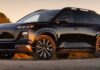
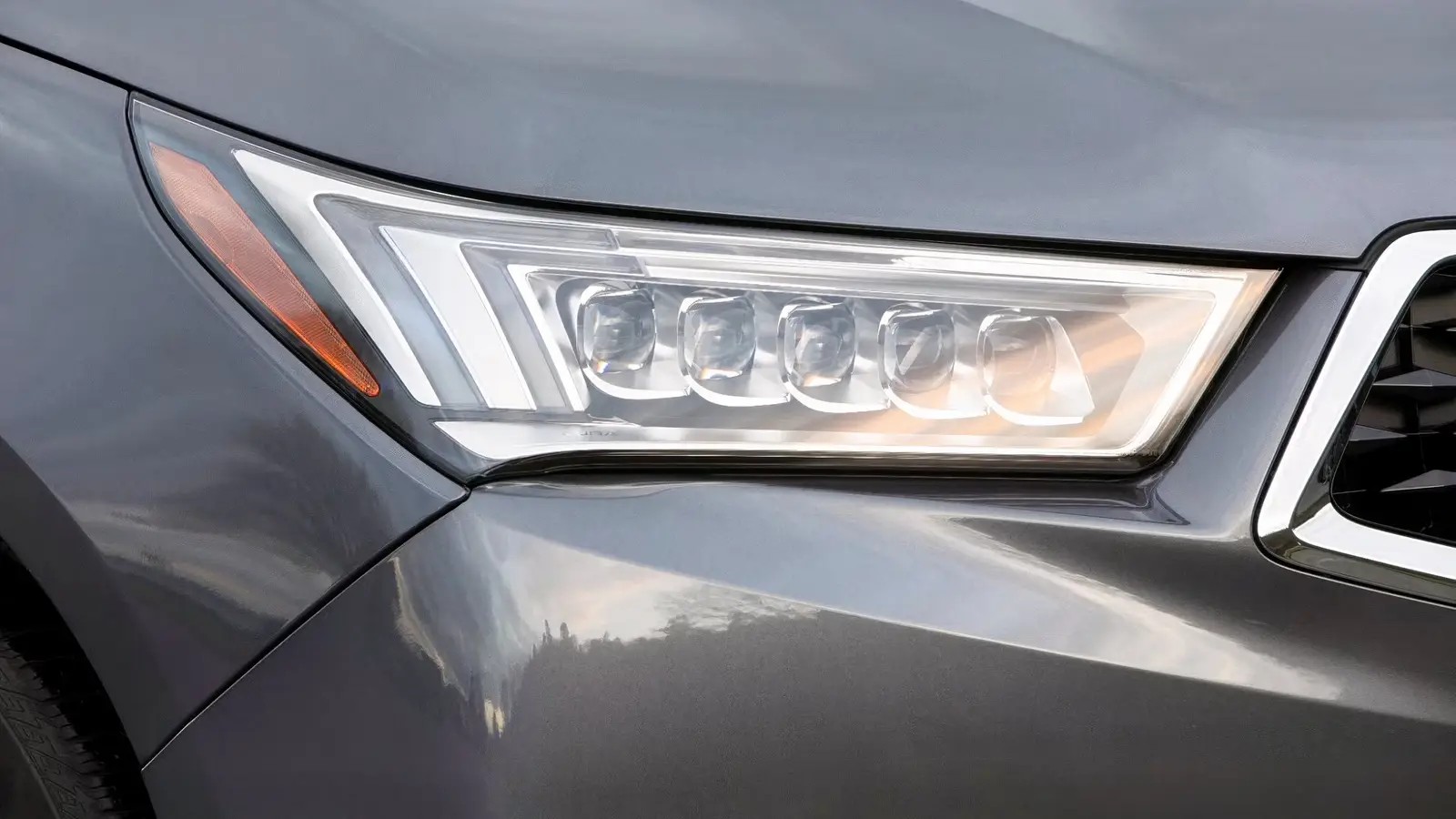
Amidst this volatility, Acura —the luxury division of Honda—has carved out a unique niche. Rather than competing for pure opulence or bespoke customization, Acura has focused on a strategy of premium value.
While it may not offer the Nappa leather or ambient fragrance systems found in top-tier German marques, Acura provides a pragmatic alternative. The brand’s philosophy is built on delivering essential luxury features and high-end technology without the prohibitive “prestige tax.”
The Math of Affordability
A look at the numbers reveals how Acura positions itself against its rivals:
– Acura MDX: Base MSRP ~$52,000
– Audi Q7: Base MSRP ~$62,000
– BMW X5: Base MSRP ~$68,300
By keeping prices significantly lower than its direct European competitors, Acura appeals to buyers who want advanced driver-assist systems (AcuraWatch), digital displays, and sophisticated audio (like the ELS Studio 3D system) without the six-figure commitment.
Reliability as a Luxury Feature
For many consumers, “luxury” is increasingly defined by peace of mind rather than just soft touchpoints. Acura leverages Honda’s engineering DNA to prioritize mechanical reliability and driving dynamics.
- Performance Engineering: Technologies like Super Handling-All Wheel Drive (SH-AWD) provide a level of cornering precision that appeals to driving enthusiasts.
- Proven Quality: In the 2025 J.D. Power Awards, Acura models led their respective categories. The Integra took top honors in the small premium car segment, while the RDX won in the compact premium SUV category, outperforming rivals from Lexus, BMW, and even Porsche based on initial ownership satisfaction.
Challenges on the Horizon
Despite its strengths, Acura is not without its hurdles. In 2025, while total sales saw a slight uptick, flagship models like the MDX and Integra experienced double-digit declines. Several factors are contributing to this friction:
- Brand Perception: There is a persistent struggle to move beyond the “premium Honda” label. Consumers often view the Integra as merely a “fancier Civic,” which can undermine its luxury credentials.
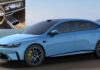
- The EV Transition: Acura has been relatively slow to enter the electric vehicle race, with its ZDX model only recently making its debut.
- Portfolio Imbalance: With only one sedan (the Integra) in its lineup, the brand is heavily reliant on the SUV market. While this aligns with current consumer trends, it leaves the brand vulnerable to shifts in preference.
The Path Forward
Acura’s survival and growth depend on its ability to maintain its “luxury for less” mantra. By avoiding the industry trend of “subscription-based features”—where drivers must pay monthly fees for hardware already installed in the car—Acura has earned significant goodwill among pragmatic buyers.
The brand is essentially playing a game of comparison: offering a sportier feel than Lexus, better build quality than Cadillac, and significantly better value than Audi or BMW.
Conclusion: Acura is successfully capturing the “value-conscious luxury” segment by prioritizing mechanical reliability and essential tech over pure status. To truly thrive, however, it must evolve its brand identity and accelerate its electric vehicle roadmap to compete with the heavyweights of the luxury world.