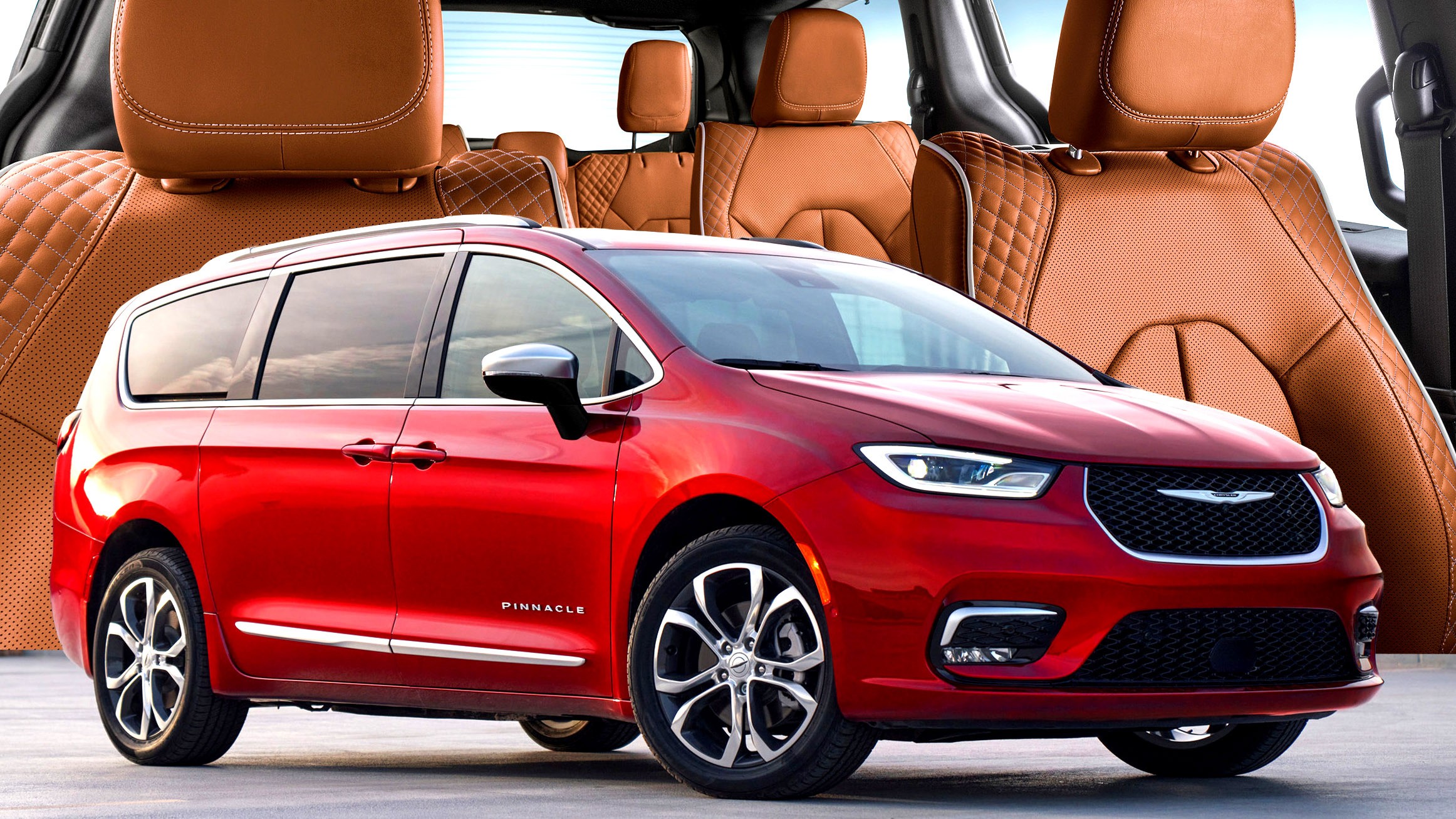
For decades, minivans were the undisputed champions of family transportation. Then, SUVs took over, prioritizing style over substance. Now, a surprising trend is emerging: minivan sales are skyrocketing, driven by rising SUV prices and a renewed appreciation for practical design.
The Numbers Speak For Themselves
Across North America, minivan sales are experiencing a significant rebound. In Canada, sales jumped 34% in 2025, reaching 42,377 units – the highest total since 2020. The U.S. market saw a 20% increase, with 395,352 vans sold. This resurgence marks one of the strongest comebacks in the automotive segment.
Why Now? The Economics of Family Transport
The shift is largely driven by affordability. Three-row SUVs have become increasingly expensive, with average prices rising 8% last year alone. When families genuinely need space for multiple passengers and cargo, minivans suddenly represent the sensible choice.
Beyond Soccer Moms: A Broadening Appeal
The minivan’s appeal extends beyond traditional family buyers. Gig economy drivers are drawn to their utility for delivery services, while older adults appreciate their comfort for road trips. Toyota has even reported a growing number of campers utilizing minivans as mobile living spaces, thanks to their spacious, foldable interiors.
Leading the Charge: Chrysler and Toyota
The Chrysler Pacifica remains a dominant force, with over 110,000 units sold in the U.S. Stellantis, encompassing both Pacifica and Grand Caravan models, moved nearly 17,000 vans in Canada. The Toyota Sienna leads the Canadian market with 15,218 sales, and saw a 35% surge in the U.S., reaching over 100,000 units.
The Future of Minivans: A Reality Check
While minivans haven’t traditionally been fashion-forward, manufacturers like Chrysler are experimenting with rugged designs (like the “Grizzly” concept) to attract SUV enthusiasts. However, the core appeal of minivans isn’t about aesthetics – it’s about unmatched practicality. As more consumers rediscover this benefit, the minivan’s revival feels less like a fleeting trend and more like a long-overdue course correction in the automotive market.