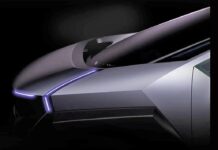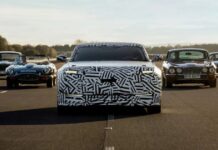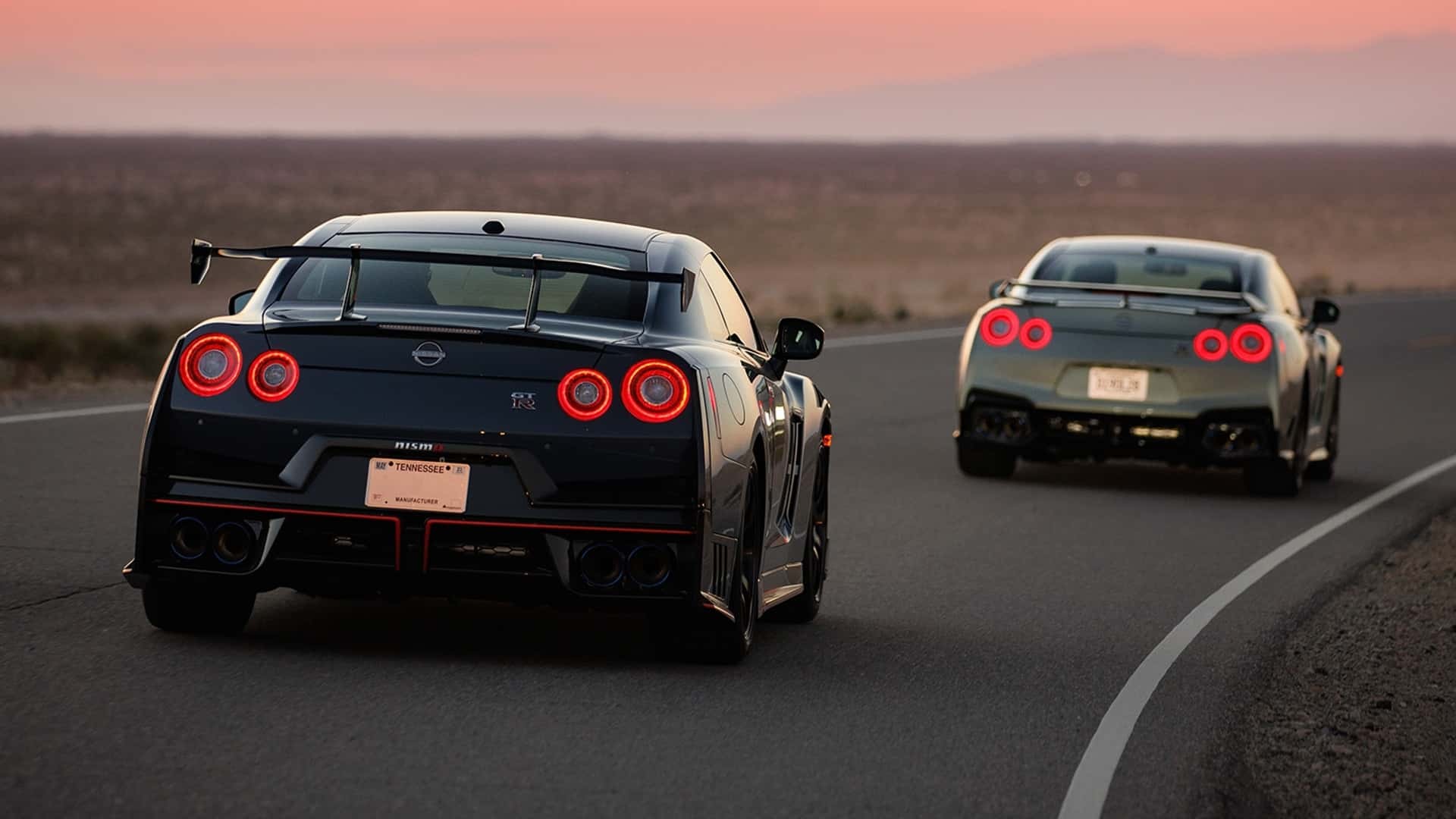
Nissan has officially confirmed plans for a next-generation GT-R, internally designated as the R36, with a projected launch before 2030. The announcement, made by Nissan North America’s Chief Planning Officer Ponz Pandikuthira to The Drive, signals a long-awaited evolution for the iconic performance car.
Powertrain: Hybridization is Essential
The R36 will almost certainly retain a modified version of the current GT-R’s V38 twin-turbocharged V6 engine. However, to meet increasingly strict global emissions standards, hybridization is not optional – it’s a necessity. Nissan intends for the new GT-R to be sold worldwide, necessitating a powertrain that complies with diverse regulations.
This shift to hybrid technology isn’t a compromise; it’s an opportunity. The integration of electric motors and advanced battery systems will likely unlock even higher performance figures, building on the R35’s already impressive capabilities.
Evolution, Not Revolution
The original GT-R (R35) was groundbreaking when it arrived, boasting advanced technology such as its innovative center stack and collaboration with Gran Turismo developers for its display. The R36 will continue this trend, refining the core concepts of all-wheel drive, twin-turbo power, and dual-clutch transmissions.
Expect further enhancements in torque vectoring, next-generation digital interfaces, and a potential surge in overall power output. While the R35 punched well above its weight class for years, the automotive landscape has moved on. The R36 is designed to reclaim Nissan’s position at the forefront of performance engineering.
Why This Matters: A Legacy Reborn
The GT-R’s enduring appeal rests on its ability to deliver extreme performance without sacrificing usability. But the pace of automotive innovation has left even the formidable R35 trailing behind hypercars and cutting-edge supercars.
Nissan recognizes this and is responding with a carefully planned reboot. The R36 isn’t just a new car; it’s a statement. The company knows that failure to deliver a truly competitive successor would damage the GT-R’s legacy, and they appear committed to avoiding that outcome.
The confirmation of the R36 suggests Nissan understands the GT-R isn’t just a vehicle, but a symbol of Japanese engineering prowess. The next iteration will need to live up to this reputation, combining raw speed with technological sophistication.