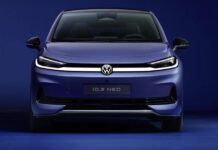
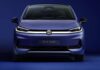
Volkswagen is moving to correct its course. After receiving significant backlash regarding the overly simplified, touch-heavy interiors of its recent electric vehicle lineup, the automaker has unveiled the 2026 ID.3 Neo. This facelifted model marks a strategic pivot, prioritizing usability and driver ergonomics over the “minimalist” touch-only interfaces that previously frustrated owners.
A User-Centric Interior Overhaul
The most significant changes are found within the cabin. In an era where many manufacturers are moving toward even more screen-based controls to save on production costs, Volkswagen is doing the opposite: reintroducing physical tactile controls.
- Climate and Media Control: The controversial touch sliders used for temperature and volume have been scrapped. In their place, a new row of physical buttons sits below the air vents, providing instant access to climate settings, air recirculation, and windscreen defrosters. A new rotary knob on the center console also allows drivers to adjust volume and skip music tracks without looking away from the road.
- Steering Wheel & Door Panels: The capacitive touch keys on the steering wheel have been replaced by actual buttons. Furthermore, the driver’s door panel has been updated to include dedicated switches for all four windows—a feature that was notably absent in the previous iteration.
- Digital Cockpit: The instrument cluster has grown from a small 5.3-inch display to a more legible 10.25-inch screen. Interestingly, VW has added a touch of nostalgia with “retro” graphics that mimic the classic Golf Mk1, using an analog-style layout to display energy output and recuperation rather than engine RPMs.
Design Refinements and Technical Specs
While the core silhouette remains the same, the ID.3 Neo features subtle exterior updates to freshen its appearance. The front end now boasts redesigned headlights and a thicker, illuminated horizontal light bar. At the rear, the black tailgate has been replaced with a body-colored panel, and much of the trim is now color-coordinated with the car’s paint.
Under the skin, the ID.3 Neo remains a rear-wheel-drive vehicle built on the MEB+ platform. It offers three distinct battery and performance configurations:
| Battery Size | Power Output | WLTP Range (Est.) | Max DC Charging |
|---|---|---|---|
| 50 kWh | 168 hp | 259 miles (417 km) | 105 kW |
| 58 kWh | 188 hp | 307 miles (494 km) | 105 kW |
| 79 kWh | 228 hp | 391 miles (630 km) | 183 kW |
New Features and Market Context
The ID.3 Neo introduces two highly practical modern EV features: one-pedal driving for smoother urban navigation and vehicle-to-load (V2L) functionality, which allows the car to act as a mobile power bank for external electronic devices.
Why this matters: This update is a defensive move as much as it is an improvement. Volkswagen is facing intense pressure from Chinese EV manufacturers who are rapidly gaining market share in Europe by offering high-tech, highly intuitive user interfaces. By fixing the “usability gap,” VW is attempting to retain its loyal customer base.
Conclusion
The ID.3 Neo represents a vital course correction for Volkswagen, proving that “minimalism” should not come at the expense of functionality. While these improvements make the car much more competitive, the model serves as a bridge to the future, as VW prepares for the eventual arrival of the much-anticipated electric “ID. Golf.”