Volkswagen has firmly ruled out introducing range-extender hybrid vehicles to the European market, with CEO Thomas Schäfer stating the technology “makes no sense” for the region. The decision stems from a combination of financial considerations and regulatory constraints, despite the availability of such technology within the company’s Chinese operations.
Range Extenders: Effective in China, Unnecessary in Europe
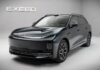
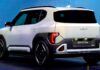
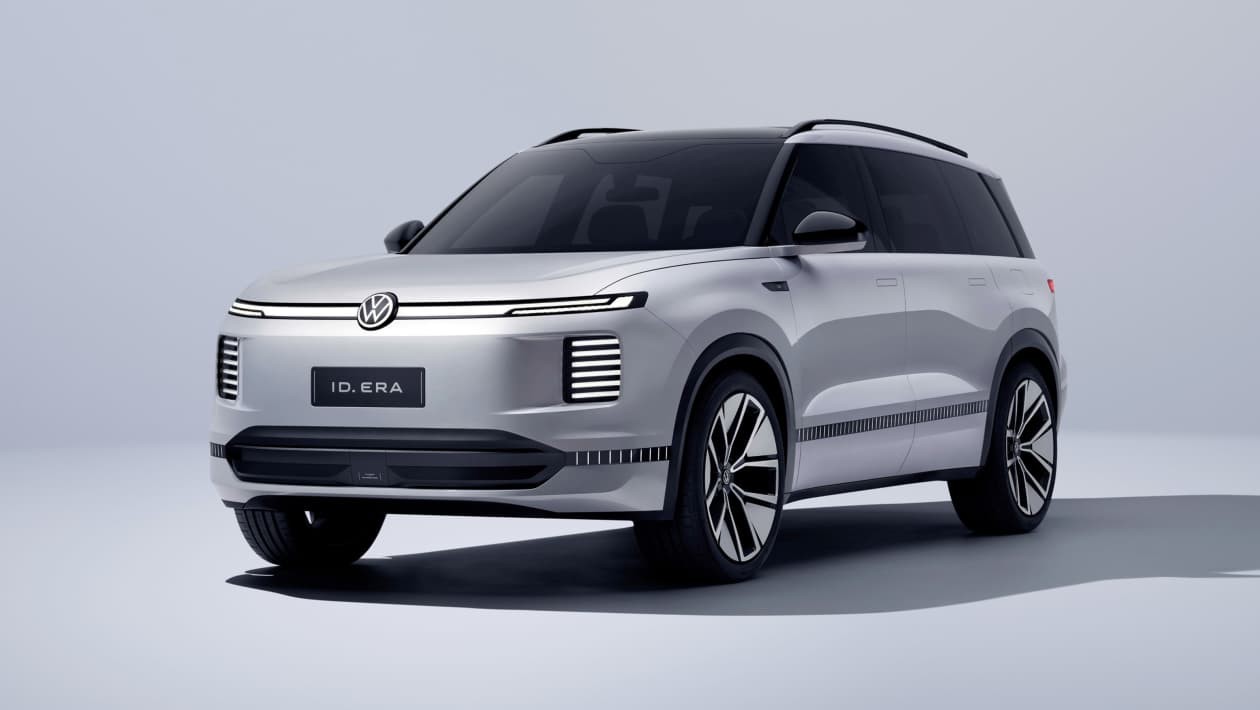
The core issue lies in how range-extender hybrids perform in different driving environments. Volkswagen’s joint venture with SAIC in China has developed the ID.Era, a seven-seat SUV concept utilizing a 300km (186-mile) battery supplemented by a 435-mile extension via an on-board engine acting as a generator. However, VW argues that this setup, suitable for congested Chinese traffic, is inefficient and expensive for the more dynamic European road conditions.
The Nissan Qashqai e-Power is the only major European example of this technology; it offers up to 745 miles of range but with CO2 emissions twice as high as many plug-in hybrids, making it less attractive under European emissions regulations.
Regulatory and Financial Barriers
Volkswagen’s reluctance is reinforced by the lack of incentives for range extenders under European CO2 rules. Schäfer points out that offering a large battery, electric motor, and combustion engine simultaneously increases costs without providing tangible benefits. The company believes that focusing on plug-in hybrids with a 150km (93-mile) electric range is a more practical solution.
The Future of Electric Vehicles: Beyond Range Extenders
VW’s R&D chief, Kai Grünitz, suggests that advancements in pure electric vehicle (EV) technology will render range extenders obsolete. Grünitz argues that an EV with a 400-mile range and 15-minute charging capability would eliminate the need for a combustion engine as a backup. He describes range extenders as combining “the worst of both worlds”—expensive, heavy, and ultimately inefficient.
A Diverging Strategy: China vs. Europe
While VW dismisses range extenders for Europe, other manufacturers like Leapmotor and Renault are exploring the technology for future models, particularly on new EV platforms. However, Volkswagen remains committed to plug-in hybrids and the ongoing development of more capable pure EVs, believing these represent the most viable path forward for the European market.
Ultimately, Volkswagen’s decision highlights the diverging strategies between automotive markets, where efficiency, regulation, and cost-effectiveness dictate technological adoption. The company’s focus remains firmly on pure electric and plug-in hybrid solutions, dismissing range-extenders as a costly and unnecessary compromise for European consumers.