


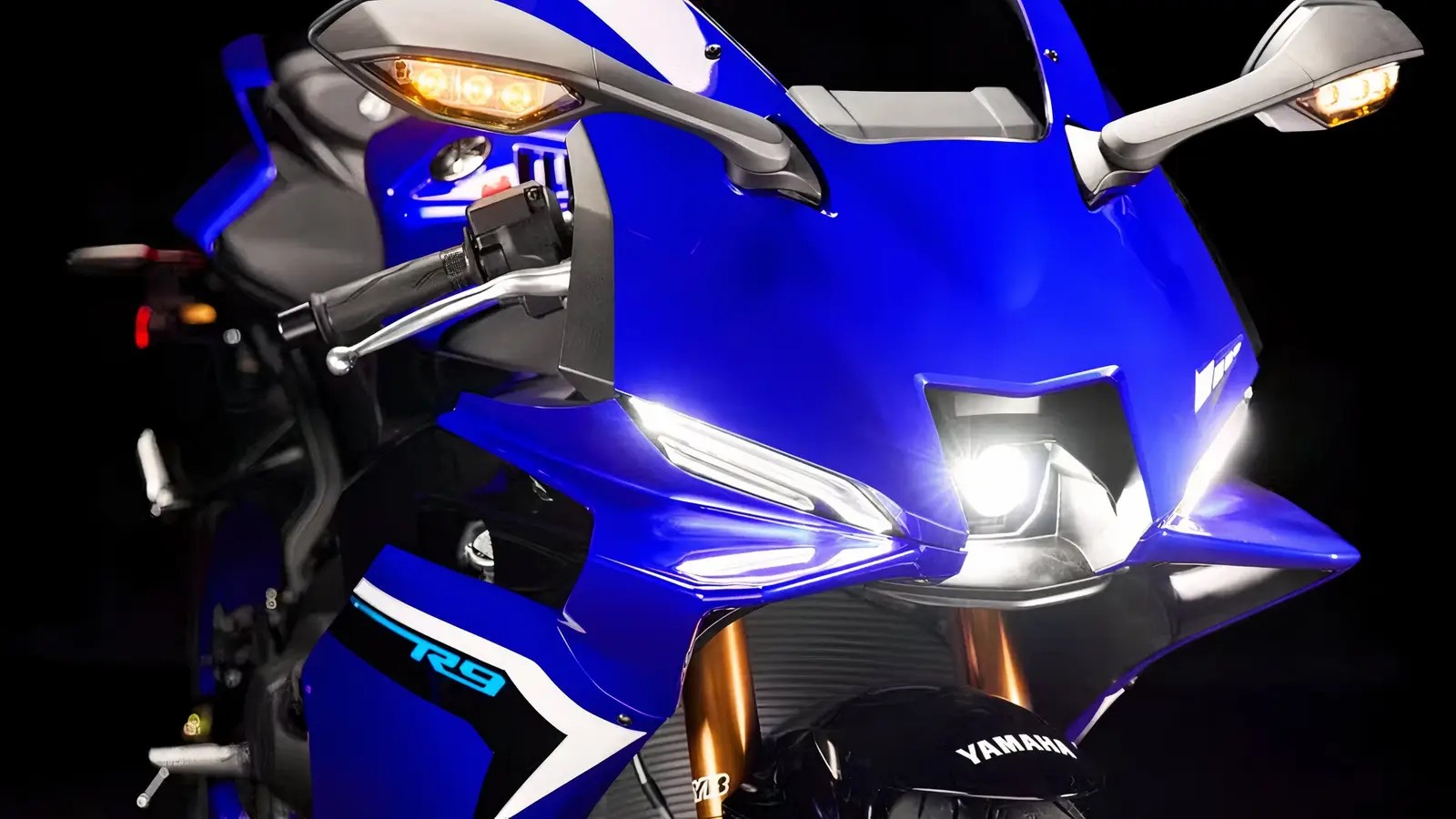
The motorcycle market is packed with choices, from supersports to cruisers, often overwhelming buyers. Yet, this diversity also means finding exactly what you want is easier than ever. The supersport segment, a performance-focused tier below full-blown superbikes, delivers track-ready capability without the top-tier price. While the Ducati Panigale V2 dominates this space, the 2026 Yamaha YZF-R9 is emerging as a compelling alternative.
The Rise of the Supersport
Supersport motorcycles bridge the gap between street and track. They’re less intimidating than 1,000cc hypersports but still offer exhilarating performance. These bikes prioritize handling and cornering speed, making them ideal for both canyons and circuits while remaining more accessible in price. This balance of capability and affordability makes them a strong choice for riders seeking a performance upgrade without breaking the bank.
Ducati Panigale V2: The Benchmark
The Ducati Panigale V2 has set the standard for middleweight sport bikes. Weighing in at just 420.6 pounds and producing 120 horsepower from its liquid-cooled 90-degree V2 engine, it’s a formidable machine. Ducati streamlined the latest model, shedding nearly 38 pounds over its predecessor, making it even more agile. Despite its impressive specs, the Panigale V2 comes with a premium price tag.
Enter the Yamaha YZF-R9: A Performance Bargain
Starting at $12,499, the 2026 Yamaha YZF-R9 aims to disrupt the segment. It matches the Panigale V2 in performance – both bikes boast roughly 890cc engines, within 10 pounds of each other in weight, three horsepower difference, and one pound-foot of torque. The key difference? The Yamaha is around $4,500 cheaper.
The Engine: Yamaha’s CP3 Triple
The YZF-R9’s heart is Yamaha’s proven 890cc CP3 triple, also found in the MT-09 SP and XSR900. This engine configuration offers smooth power delivery and accessible torque, making it both thrilling on the track and enjoyable on the street. Yamaha has tweaked the R9’s CP3 with a larger radiator and a model-specific ECU to maximize performance.
Chassis and Suspension: Built for Agility
The YZF-R9 features a Deltabox gravity-cast aluminum twin-spar frame, utilizing the engine as a stressed member for added rigidity and weight reduction. This chassis is paired with fully adjustable 43mm KYB forks and a monoshock with 4.7 inches of travel. Stopping power comes from Brembo Stylema four-piston calipers clamping down on 320mm discs up front and a 220mm disc in the rear. The bike rolls on grippy Bridgestone S22 tires: 120/70ZR17 front and 180/55ZR17 rear.
Rider Aids: Tech-Packed and Tunable
The R9 comes standard with a six-axis IMU, dual-channel ABS, three-mode slide control, nine-level traction control, and a multi-function lift control system. A five-inch TFT display provides access to vehicle data and smartphone connectivity. The system is designed to keep the front wheel down and maintain traction, making the R9 a capable track weapon.
The Bottom Line
The 2026 Yamaha YZF-R9 is a direct competitor to the Ducati Panigale V2, offering similar performance at a significantly lower price. Starting at $12,499 versus the Panigale’s $16,995, the Yamaha presents a compelling value proposition for riders seeking a high-performance supersport without the premium cost. The R9 is a genuine Panigale-fighter for around $4,500 less.


