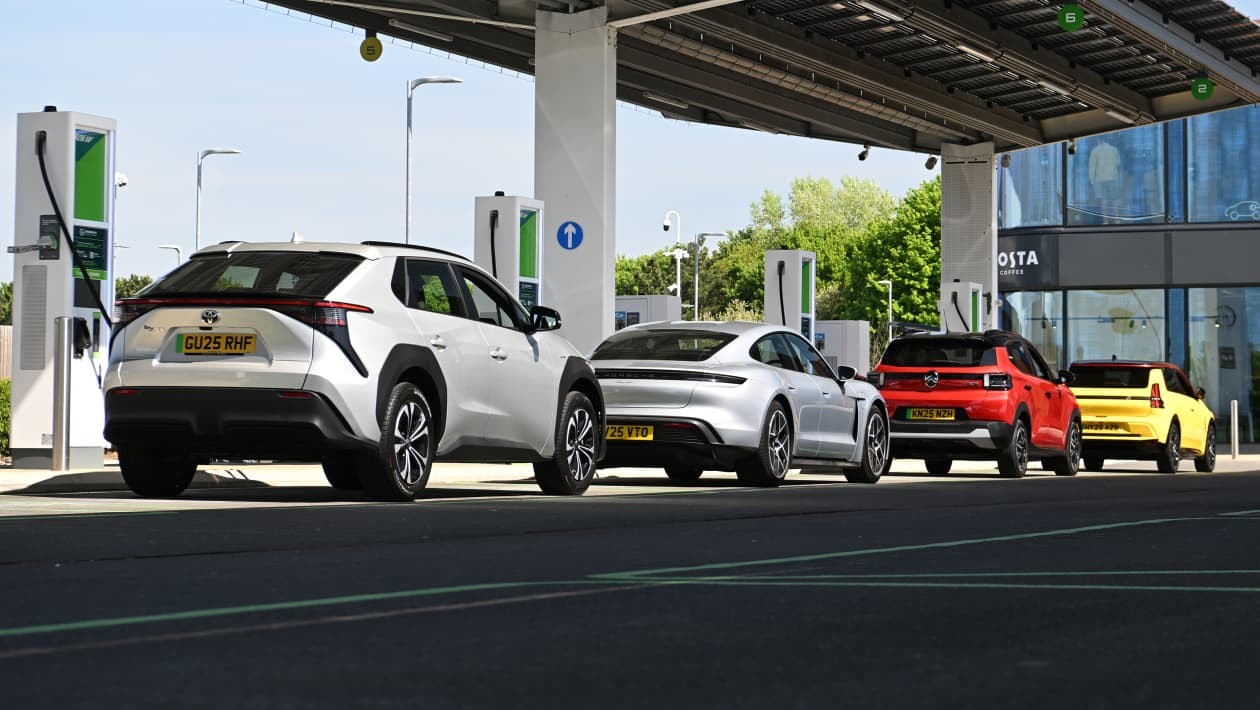
More than half of UK drivers say they would reconsider buying an electric vehicle (EV) if the government proceeds with its proposed pay-per-mile road tax. This finding, from the AA’s annual EV Readiness Index survey of over 12,000 members, highlights a critical point of friction in the transition to electric mobility.
Government Tax Plan Undermines EV Incentives
The proposed “eVED” scheme could add up to 3 pence per mile to the standard annual road tax for EV drivers, effectively eroding one of the key financial benefits of switching to electric—lower running costs. 55% of drivers surveyed stated they would no longer consider an EV under these conditions. This demonstrates how quickly policy decisions can undermine consumer confidence in a relatively new market.
AA President Edmund King argues that this move risks stalling the growth of EV adoption, especially as the market moves beyond early adopters. The fear of a distance-based tax comes at a time when many potential buyers are already hesitant about the switch.
Charging Concerns and Depreciation Add to Uncertainty
Beyond the proposed tax, significant uncertainty remains among prospective EV buyers. Less than 25% of respondents expressed confidence in their ability to charge an EV. This suggests that lack of familiarity and perceived inconvenience continue to be major barriers.
Coupled with this, concerns about rapid depreciation of EV values further discourage purchases. While used EV prices are falling, only 3% of those surveyed said they would confidently buy a second-hand electric car. This price volatility could ultimately backfire, potentially driving up the cost of new EVs if fleet companies and manufacturers respond by raising finance and leasing rates.
Progress in Infrastructure, but Policy Concerns Remain
Despite these headwinds, the AA’s EV Readiness Index shows incremental improvement: the UK market now scores 53.8 out of 100, a 5% increase since the end of 2025. This is driven by factors like cheaper used EVs and the expansion of public charging infrastructure, which currently stands at 118,321 chargers (though still short of the 300,000 target for 2030).
“The transition remains fragile,” warns King. “Clearer long-term policy signals and better information for drivers are essential to maintain momentum.”
The uncertainty surrounding the pay-per-mile tax, combined with broader consumer hesitation, raises serious questions about the sustainability of the UK’s EV transition without more decisive and supportive government policies.