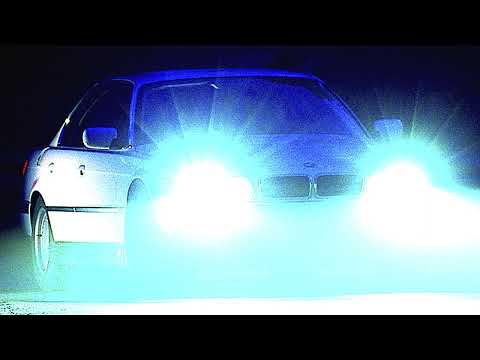
Drivers are increasingly bothered by excessively bright headlights at night, but new data suggests this glare isn’t translating into more crashes. A recent AAA survey found that 60% of drivers report headlight glare as a problem, confirming a widespread anecdotal experience. The trend raises questions about vehicle design, lighting technology, and whether perceived discomfort outweighs safety benefits.
The Rise of Brighter Lights
The increase in glare is tied to the growing prevalence of LED and HID headlights, which are significantly brighter than older halogen bulbs. Coupled with the trend toward larger vehicles – particularly SUVs and trucks – these lights sit higher off the ground, shining directly into the eyes of oncoming drivers. This isn’t accidental; vehicles have grown larger over decades, and brighter, higher-mounted lights are a direct result.
AAA Director of Automotive Engineering Greg Brannon notes that glare is now a “major source of frustration” for millions. 92% of drivers who experience glare cite oncoming headlights as the primary issue, with another third bothered by reflections in mirrors. Drivers with prescription glasses and women are more likely to be affected, while curiously, pickup truck drivers report fewer glare problems – likely due to their higher seating position.
Safety Paradox
Despite the discomfort, headlight glare doesn’t appear to be increasing nighttime crash rates. In fact, the AAA data suggests that brighter headlights may even be improving safety. The improved visibility provided by modern headlights and the increasing effectiveness of automatic emergency braking systems likely compensate for the glare.
An IIHS study supports this: glare is cited in just one or two out of every thousand nighttime crashes, and that rate hasn’t risen despite brighter lights. Insufficient visibility, not excessive brightness, remains the greater safety concern.
“The key takeaway is that while glare is annoying, it doesn’t seem to be making roads more dangerous. In many cases, brighter lights could actually be helping drivers see better.”
This raises a critical point: driver perception of risk doesn’t always align with actual safety outcomes. While glare is irritating, the data suggests that modern lighting technology is not undermining road safety. The problem is that drivers are experiencing discomfort, and automakers may need to address this through design changes or glare-reduction features.