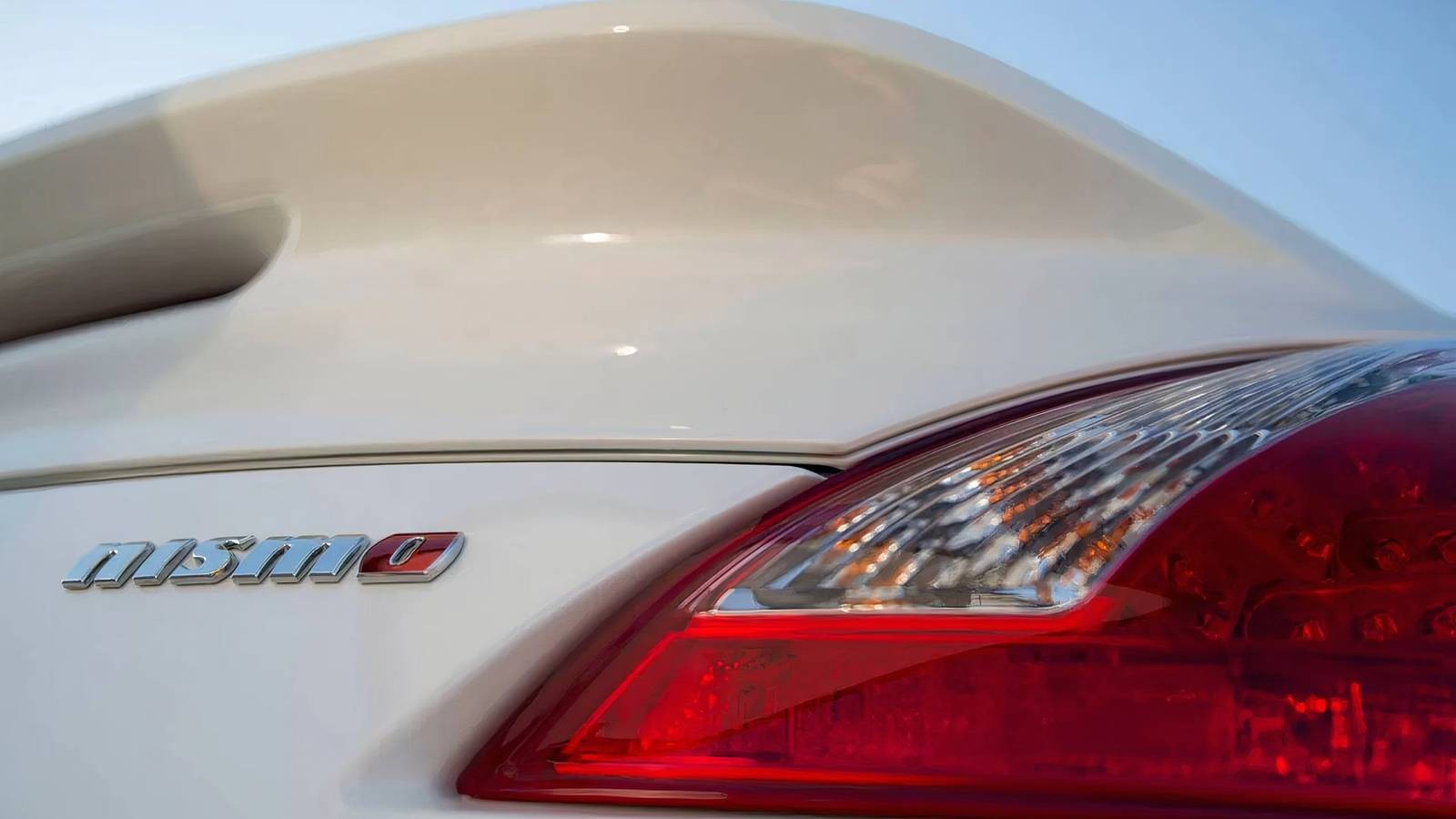
The Nissan 370Z Nismo stands as a rare survivor in the modern automotive landscape. Released during a transition period in car manufacturing, it benefits from contemporary safety features while retaining a raw, driver-focused experience increasingly lost in today’s technology-heavy market. This isn’t just a car; it’s a statement about what performance driving used to be, and why it still holds value.
The Mechanical Heart of a Disappearing Philosophy
Modern cars prioritize digital intervention over driver feel. The 370Z bucks this trend with its naturally aspirated engine and direct mechanical engagement. As engines shrink and performance becomes software-driven, the 370Z offers something increasingly rare: pure, unadulterated driving pleasure. It’s a last stand for enthusiasts who value connection over complexity.
A V6 That Proves Durability Matters
The 370Z Nismo is powered by Nissan’s legendary 3.7-liter VQ37VHR V6 engine. This isn’t just any engine; it’s a proven workhorse known for its reliability. iSeeCars gives it a 7.8/10 reliability rating, and vehicles powered by the VQ family regularly exceed high mileage with minimal major issues when properly maintained.
The beauty of this engine lies in its simplicity. Without turbochargers or complex cooling systems, it avoids many common failure points found in more modern, high-strung powerplants. Nissan prioritized longevity over chasing peak numbers, resulting in an engine that delivers character and dependability.
Subtle Upgrades, Meaningful Results
The Nismo variant isn’t about flashy modifications. Instead, it features targeted improvements like revised suspension, stiffer springs, and bespoke dampers that enhance handling without sacrificing everyday usability. Functional aerodynamic enhancements – revised bumpers, skirts, and a rear spoiler – improve stability at higher speeds.
These changes aren’t just cosmetic; they refine the 370Z’s existing strengths, creating a more cohesive driving experience. The result is a car that feels sharper and more composed without becoming impractical for daily use.
Performance That Doesn’t Need a Spreadsheet
On paper, the 370Z Nismo holds its own. With 350 horsepower and 276 lb-ft of torque, it hits 60 mph in around 5.2 seconds. While not class-leading today, these figures remain competitive against newer performance coupes.
The key difference? The 370Z’s power delivery. Unlike many turbocharged rivals that rely on low-end torque, the 370Z builds speed linearly as the revs climb, rewarding deliberate throttle inputs. This isn’t a car that feels quick by accident; it demands engagement.
Ownership Without the Worry
The 370Z’s maturity is a major selling point. Servicing is well-understood, parts are readily available, and independent mechanics are familiar with the platform. The aftermarket support is robust, developed over years of production.
This is critical in a world where modern performance cars increasingly rely on complex electronics and proprietary software. The 370Z’s straightforward architecture avoids many of those pitfalls, making it a car you can own rather than just lease or maintain under warranty.
A Timeless Experience in a Modern World
The 370Z’s interior may feel dated, and fuel economy isn’t its strong suit. However, it remains a usable daily driver with a comfortable seating position and adequate cargo space. The compromises are real, but they’re outweighed by the car’s core strengths.
As the industry pivots toward electrification and hybridization, the 370Z Nismo represents the end of an era. It’s one of the last naturally aspirated Z models before turbocharging took over. Over time, it will come to symbolize a period when driving was about engine response, balance, and mechanical feedback – not software intervention.
Why You Can Buy One for Less Than a Camry
The real kicker? The 370Z Nismo is surprisingly affordable. Clean examples in the U.S. sell for $20,000–$30,000, while a new Toyota Camry starts at $29,100 before options. For the same money, you can buy a naturally aspirated, rear-wheel-drive performance coupe instead of a family sedan.
This isn’t just about price; it’s about priorities. The 370Z offers a fundamentally different experience built around performance hardware rather than convenience technology. It’s a choice between comfort and connection, and for enthusiasts, the answer is clear.
The 370Z’s naturally aspirated V6 avoids the compromises of turbocharging, delivering linear power, immediate response, and an engine note that modern powertrains struggle to replicate. Its consistent formula – front-mounted engine, rear-wheel drive, compact proportions, enthusiast pricing – has remained unchanged while rivals shifted toward complexity.
In a market increasingly shaped by software, the 370Z’s mechanical honesty is precisely why it still matters. It’s not just a car; it’s a reminder of what driving used to be, and why it still feels good.