Vehicle recalls are a blunt but effective indicator of manufacturing quality and reliability. While not every recall signals a catastrophic flaw, the sheer volume of issues reported by certain automakers in 2025 paints a clear picture of which brands struggled the most with defects. Data from the National Highway Traffic Safety Administration (NHTSA) reveals significant variations in recall numbers, highlighting the importance of monitoring these trends for consumers and industry observers alike.
The Significance of Recall Data
Recall numbers aren’t just statistics. They reflect real-world safety risks, potential financial burdens for owners, and reputational damage for manufacturers. High recall rates suggest systemic issues in quality control, design, or component sourcing. Consumers should pay attention not just to the number of recalls but also to the nature of the defects: some are minor inconveniences, while others pose immediate safety hazards. The industry’s trend toward increasingly complex vehicles—especially electric and hybrid models—may contribute to more frequent recalls as new technologies introduce new failure points.
Top 10 Most Recalled Brands of 2025
Here’s a breakdown of the automakers with the highest number of vehicles affected by recalls in 2025, ranked from most to least.
1. Ford: 12.9 Million Cars Recalled (153 Campaigns)
Ford dominated the recall charts with a staggering 12.9 million vehicles affected across 153 separate campaigns. A significant portion of these recalls—around 4 million vehicles—involved faulty backup cameras, a recurring issue across several brands. Other common defects included failing fuel pumps, cracked fuel injectors causing fire risks, and rupturing brake hoses. One particularly minor but widespread recall involved door trim pieces falling off the Explorer, a fix handled by simply reattaching them with adhesive. The sheer scale of Ford’s recalls underscores broader quality control challenges.
2. Toyota: 3.2 Million Cars Recalled (15 Campaigns)
Toyota, traditionally known for reliability, saw 3.2 million vehicles recalled in 2025. While this is a regression from 2024, the issues were largely minor: failing backup cameras, instrument panel malfunctions, and faulty reverse lights. Toyota’s recalls didn’t involve widespread fire risks or critical safety failures, but the cumulative effect of these smaller defects still led to a high total recall count.
3. Stellantis: 2.7 Million Cars Recalled (53 Campaigns)
Stellantis, encompassing brands like Jeep, Ram, Dodge, and Chrysler, recalled 2.7 million vehicles across 53 different issues. A substantial number of these recalls—around 320,000 vehicles—involved Jeep Wrangler and Grand Cherokee plug-in hybrids with batteries prone to failure and fire. Other defects included various component failures and manufacturing errors.
4. Honda: 1.5 Million Cars Recalled (21 Campaigns)
Honda recalled 1.5 million vehicles in 2025, representing an improvement over previous years. The most notable recall involved over 400,000 Civics with wheels that could detach due to a manufacturing error, a particularly alarming defect given the car’s reputation for longevity. Other issues included minor component failures and software glitches.
5. Hyundai: 1.0 Million Cars Recalled (21 Campaigns)
Hyundai recalled 1.0 million vehicles, primarily due to seat belt buckles that could fail to latch in 2020–2025 Palisade SUVs. The official fix involved ensuring the belt was inserted with “firm and direct motion,” highlighting a design flaw that required user correction.
6. General Motors: 998,260 Cars Recalled (27 Campaigns)
General Motors narrowly avoided reaching the million-recall mark, with 998,260 vehicles affected. The majority of these recalls centered around the 6.2-liter L87 V-8 engine, with almost 600,000 vehicles recalled due to catastrophic engine failures.
7. Kia: 982,346 Cars Recalled (13 Campaigns)
Kia recalled 982,346 vehicles, with the largest campaign involving K5 sedans where check valves could allow air into the fuel tank, creating a fire hazard. This recall highlighted potential design flaws and manufacturing issues.
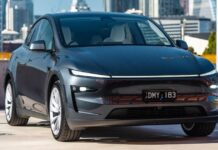
8. Tesla: 745,075 Cars Recalled (11 Campaigns)
Tesla’s recall numbers significantly decreased in 2025, with 745,075 vehicles affected. The primary issues included power steering failures in Model 3 and Model Y vehicles, as well as malfunctioning rearview cameras. This improvement suggests Tesla is addressing earlier quality control concerns.
9. Volkswagen Group: 663,663 Cars Recalled (25 Campaigns)
Volkswagen Group recalled 663,663 vehicles, a substantial reduction from previous years. The most common defects involved loose engine covers causing fire risks and distorted rearview camera images.
10. BMW: 508,338 Cars Recalled (21 Campaigns)
BMW recalled 508,338 vehicles, with a notable issue involving engine starters that could corrode and overheat, potentially leading to fires. While an improvement from 2024, BMW still faced significant recall challenges.
The Broader Implications
The high recall numbers across multiple brands underscore the increasing complexity of modern vehicles. As manufacturers add more features and rely on software-driven systems, the potential for defects rises. Consumers should stay informed about recalls affecting their vehicles and ensure necessary repairs are completed promptly. The trend toward electric vehicles may further complicate quality control, given the novelty of battery technology and associated safety concerns.
Ultimately, high recall rates are a wake-up call for automakers to prioritize rigorous testing, robust quality control, and transparent communication with consumers. The long-term impact on brand reputation and customer trust depends on how effectively these issues are addressed.